


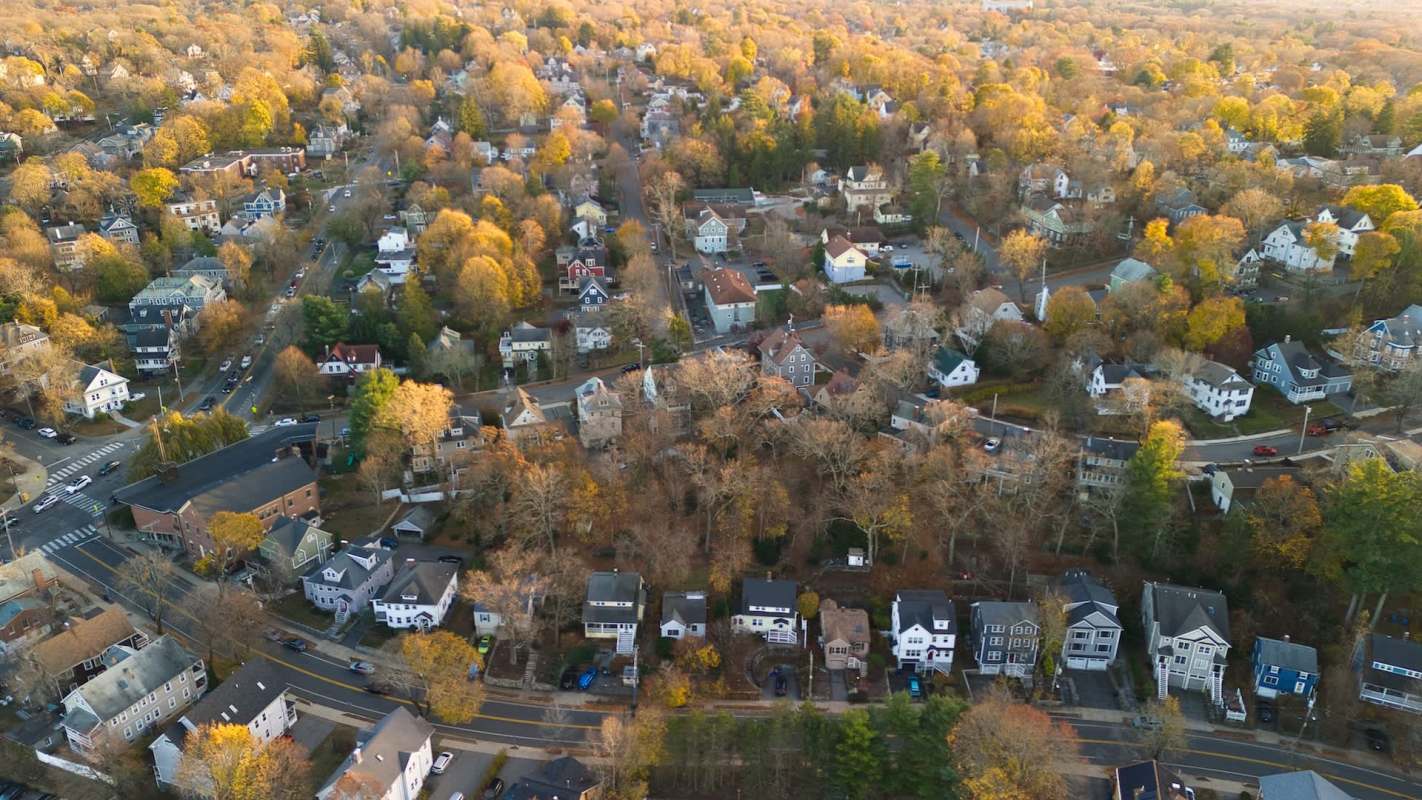
A suburb just outside Boston has topped Realtor.com's annual ranking of the nation's most in-demand home markets, signaling that buyers are still fiercely competing for well-located communities.
As RISMedia detailed, Peabody, Massachusetts, claimed the No. 1 spot in the Hottest ZIP Codes of 2026 report, ahead of suburban areas tied to major metros including New York, Philadelphia, Chicago, and Detroit.
What's happening?
Realtor.com wrote that they based the rankings on two factors: the number of unique viewers each listing drew and how quickly homes sold.
The top-ranked 01960 ZIP code in Peabody had a median listing price of $600,000, and its listings attracted 4.1 times the typical U.S. traffic level.
RISMedia noted the rest of the top 10 was made up largely of suburbs in the Northeast and Midwest, including Montclair, New Jersey; Sewell, New Jersey; Fairport, New York; Westfield, Massachusetts; Livonia, Michigan; Lititz, Pennsylvania; North Haven, Connecticut; New Berlin, Wisconsin; and Wheaton, Illinois.
Realtor.com's report found that homes across those 10 ZIP codes drew about three to five times the traffic of a typical U.S. listing and sold roughly 30 to 42 days faster during the first six months of 2026.
TCD Picks » Quince Spotlight
💡These best-sellers from Quince deliver affordable, sustainable luxury for all




"This combination of high traffic and rapid sales underscores the urgency and competitiveness that define these markets," Realtor.com Senior Economist Hannah Jones said, per RIS Media.
Realtor.com's report also found that nine of the 10 hottest ZIP codes were priced above their surrounding metro areas, with Peabody the exception.
"They want it all: a nice home in the suburbs, the amenities to match, and easy access to an economic hub," Jones explained, as RISMedia noted.
Why does it matter?
The ranking suggests competition has not disappeared simply because the broader housing market has cooled.
That stands out because, as RISMedia noted, the average 30-year fixed mortgage rate was still near 6.7%, even while some suburban markets continued moving much faster than the national norm.
Many shoppers are still prioritizing location, quality of life, and access to jobs over bargain pricing. Buyers are still willing to stretch their budgets for communities that offer more space without cutting them off from major economic hubs.
The pattern is especially notable in costly regions such as Greater Boston, where nearby suburbs can offer buyers access to the city. This kind of demand can make house hunting tougher.
Jones told Realtor.com the trend reflects buyers who are financially prepared and focused on value rather than simply the lowest upfront price.
What can I do?
In hot ZIP codes, homes can move quickly, so buyers may want mortgage preapproval, a firm budget, and a clear list of must-haves. Widening the search area can also help.
Because many of the hottest markets are suburban communities near major metros, shoppers priced out of one town may find better options in nearby neighborhoods with similar commuting access, schools, or amenities.
Realtor.com's report pointed to improving housing inventory and softer list-price trends in some markets, which could give buyers more choices than they had during the most intense years of the housing crunch.
Taken together, the rankings suggest that suburban homes in strong locations are still drawing heavy attention. It also shows that price tags are only part of the equation, alongside market pace, competition, and the value of the location.

Get TCD's free newsletters for easy tips, smart advice, and a chance to earn $5,000 toward home upgrades. To see more stories like this one, change your Google preferences here.







