


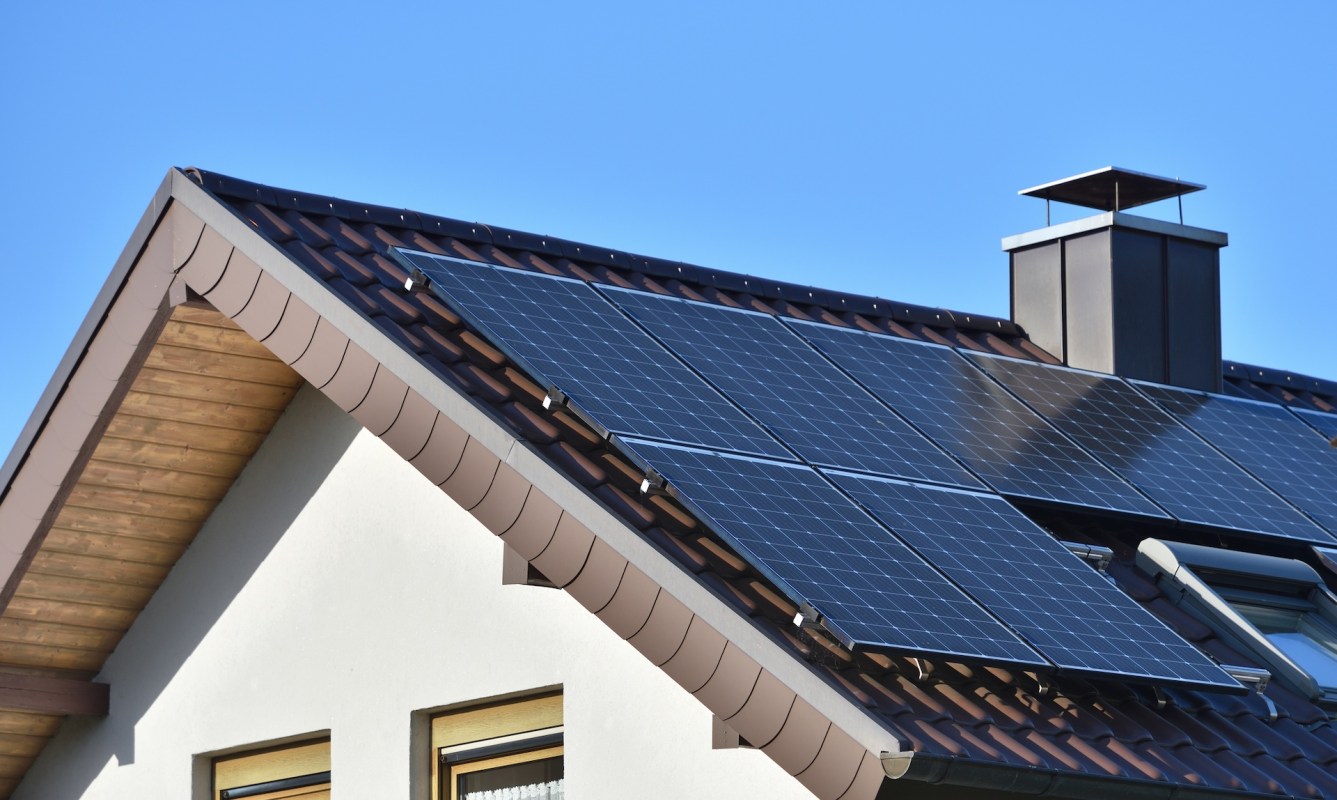
An Ohio homeowner thought a rooftop solar purchase was basically settled; the contract was signed, and net metering was expected to cover the costs.
However, that expectation changed after a closer read of the electric bill.
What's happening?
In a Reddit post, they explained that they declined batteries as they wouldn't pay for themselves under net metering. But soon after signing up, they started to wonder whether storage might have saved more money than expected.
What triggered that rethink was how the utility breaks down its charges. As the original poster wrote, "Generation is credited against only the generation portion of the bill, not the delivery portion."
Because both were about half of the bill right now, the homeowner realized that covering 100% of annual electricity use with solar would not necessarily wipe out the bill. Any electricity pulled from the grid after sunset or during lower-production periods could still bring delivery charges.
Many first-time solar buyers get tripped up here. Net metering is often marketed as a simple one-for-one arrangement, but actual savings can depend a lot on when power is used and which parts of the bill solar credits are allowed to offset.
TCD Picks » Quince Spotlight
💡These best-sellers from Quince deliver affordable, sustainable luxury for all




Why does it matter?
That distinction can reshape the savings math. If generation and delivery make up roughly equal parts of a utility bill, solar panels alone may lower costs substantially but not make the bill disappear. So a homeowner planning around the idea of an almost zero monthly bill could still face noticeable charges.
With a rate structure like that, batteries can start to look more attractive. Storing excess daytime solar production for later use may help a household buy less electricity from the grid at times when those delivery-related costs would otherwise show up.
Even so, batteries come with a major upfront cost, so the leftover utility charges have to be large enough — and the battery cycled often enough — for the extra equipment to make sense.
"No, you don't need batteries now unless your area of the grid is unstable," a commenter said. "You're effectively using the grid as your battery. … It's a pretty good deal for now."
What can I do?
Before a solar system design is finalized, homeowners can break the utility bill into its separate components. Fixed charges should be separated from per-kilowatt-hour generation and delivery charges, and installers should be asked plainly what exported solar can and can't offset.
To estimate whether a battery makes sense, start with how much electricity would likely be shifted from sunny hours into evening use. Multiply those kilowatt-hours by the energy and delivery charges avoided by not buying that power from the grid, then compare the yearly savings with the battery's net installed cost.
It can also help to request the program language in writing, especially the part that explains net metering credits. A system that looks ideal under one billing assumption can look very different under another.
Solar can still be a strong money-saving home upgrade, but whether a battery is worth adding may come down to your specific situation.

Get TCD's free newsletters for easy tips, smart advice, and a chance to earn $5,000 toward home upgrades. To see more stories like this one, change your Google preferences here.






