


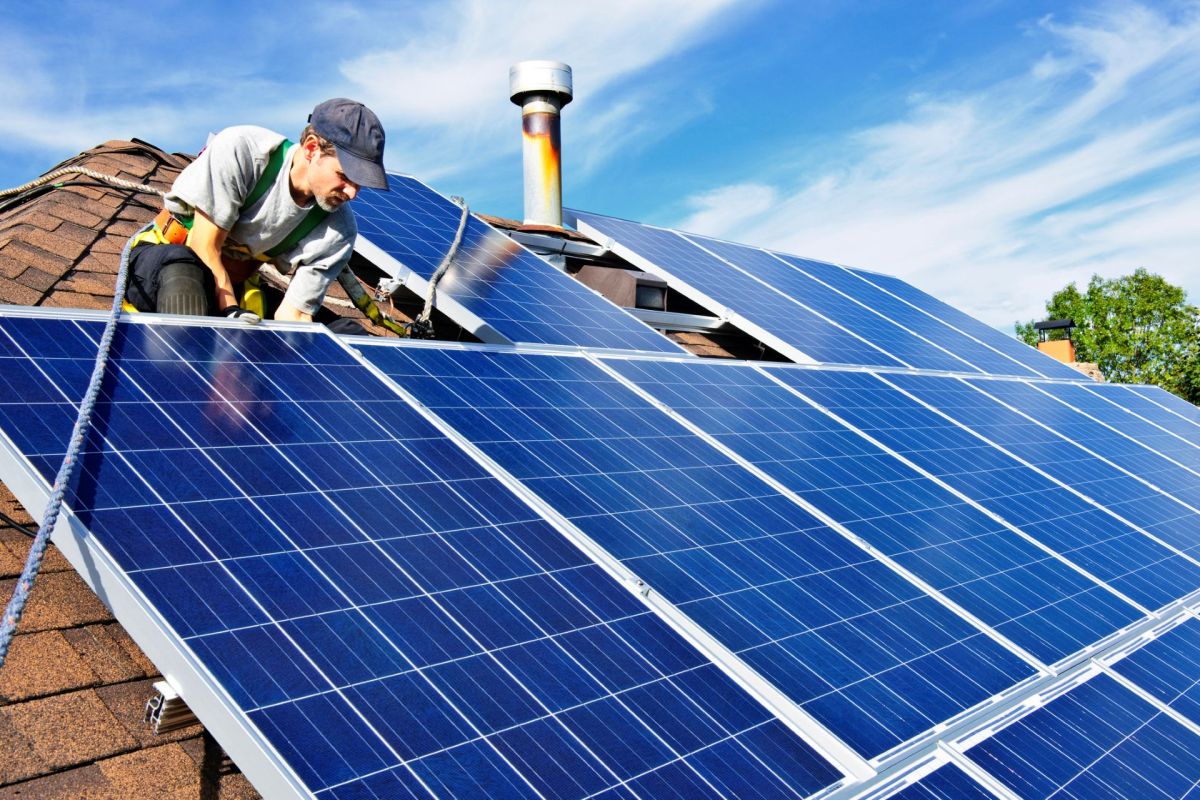
A homeowner was so thrilled by the performance of their solar panel setup that they took to Reddit to share the results.
What's happening?
"This is awesome, I should have done it sooner," they said. "Minus the hot tub, A/C in the late afternoon summers and hand full of ASIC's running. It's looking good."
They also shared a picture of the data related to their panels, including consumption, power exported to the grid, and energy produced.
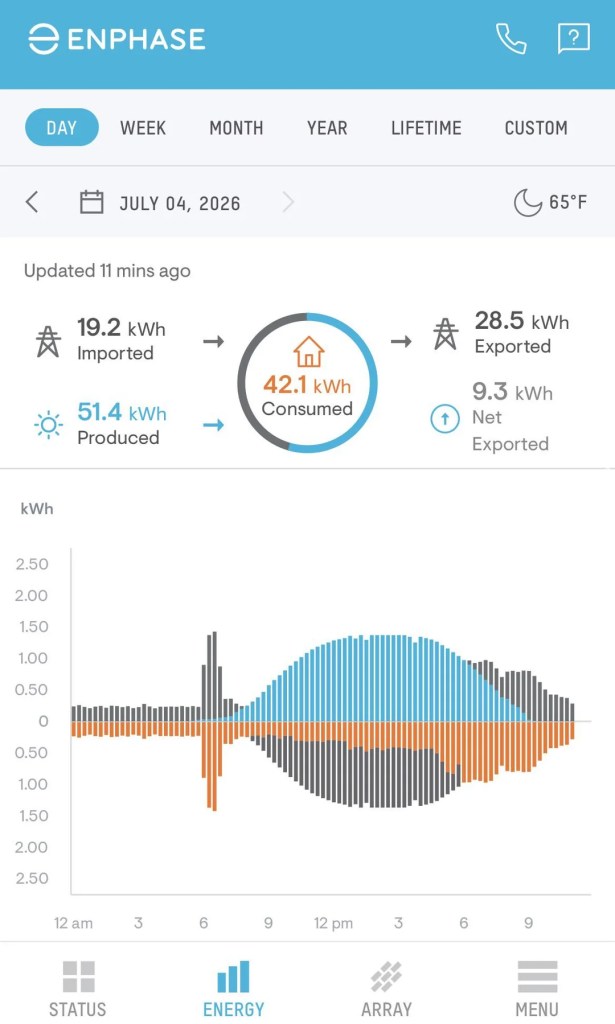
"It will pay for itself within 7 years based off historical rate hikes from my power company. Everything after that is pure profit/free energy. 1 to 1 net metering of course, you gotta have that or batteries," the poster continued in a comment.
Crushed by your bills? See instant solar savings from vetted installers in just a few clicks With energy prices through the roof, there's never been a better time to go solar — and EasyHome can help you find the best prices from the best installers in your area. EasyHome takes the guesswork and headaches out of energy upgrades by showing you estimated savings from a network of vetted local partners. To get started, just enter your ZIP and share a few details about your home — seeing your estimate is really that easy. |

In the discussion, other solar users chimed in with their own experiences.
One person said, "I had solar installed a few weeks ago. Generally producing far more than I need right now. … I've not imported any electric for the last few weeks. Fantastic! 6.4kwh solar array, 10kwh battery."
A separate reply focused on how the math changes with the seasons: "Also enjoying my first summer with solar, I know I spent a lot to install it but the last two months have been credits and the month before that was 59 cents. We have electric geothermal heat so use in the winter is still high with low solar production but pretty dang good outside of those cold months."
People in the thread also mentioned running energy-heavy tasks like EV charging and hot-tub heating during the middle of the day, when solar output is strongest.
Going solar is one of the best ways to save money on home energy, especially when your roof gets strong summer sun.
If you're curious what that could look like for your home, EnergySage offers free tools to get quick solar installation estimates and lets you compare quotes from trusted installers in your area.
Why does it matter?
Electricity bills can be unpredictable, especially during hot-weather months when air conditioning drives usage higher. Solar can turn peak summer demand into an advantage instead of a financial burden.
When a home produces more electricity than it needs during daylight hours, that excess output can reduce reliance on the grid and, in some places, generate bill credits. For homeowners juggling EV charging, cooling, and other energy-hungry appliances, it can also make budgeting easier.
More From EnergySage
💡Go deep on the latest news and trends shaping the residential solar landscape
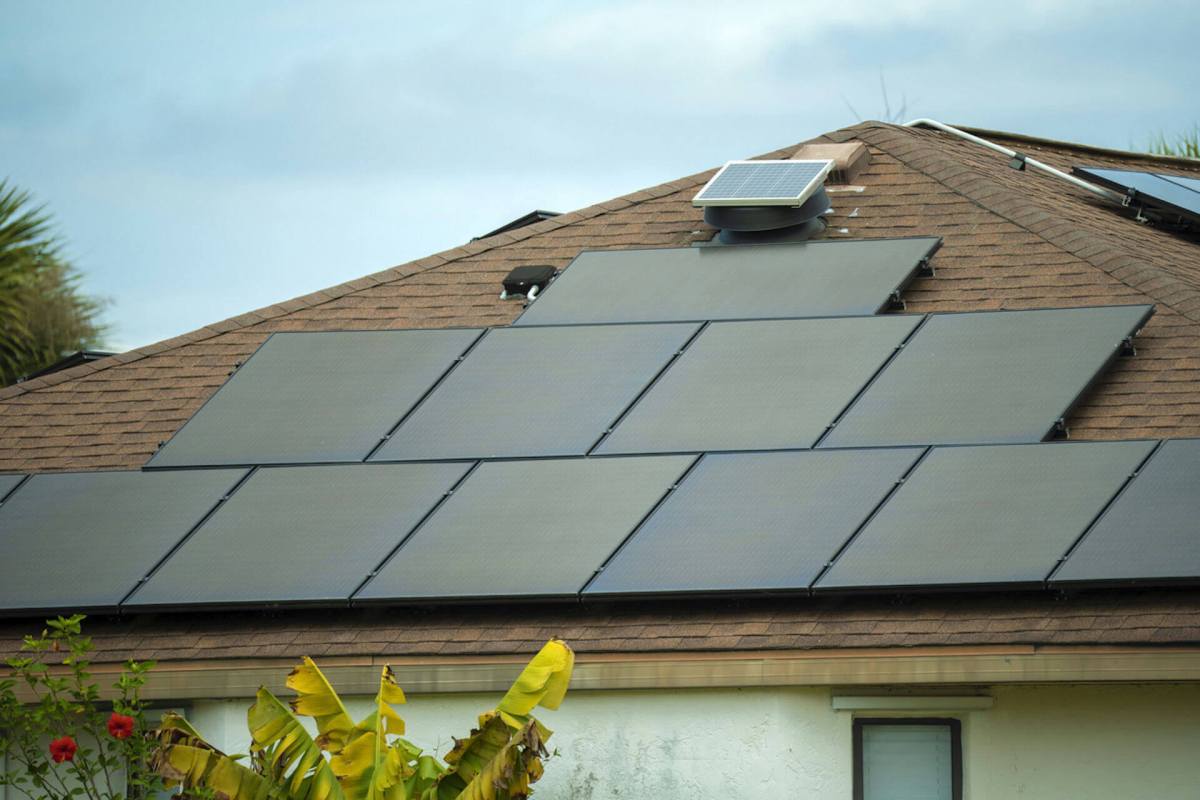
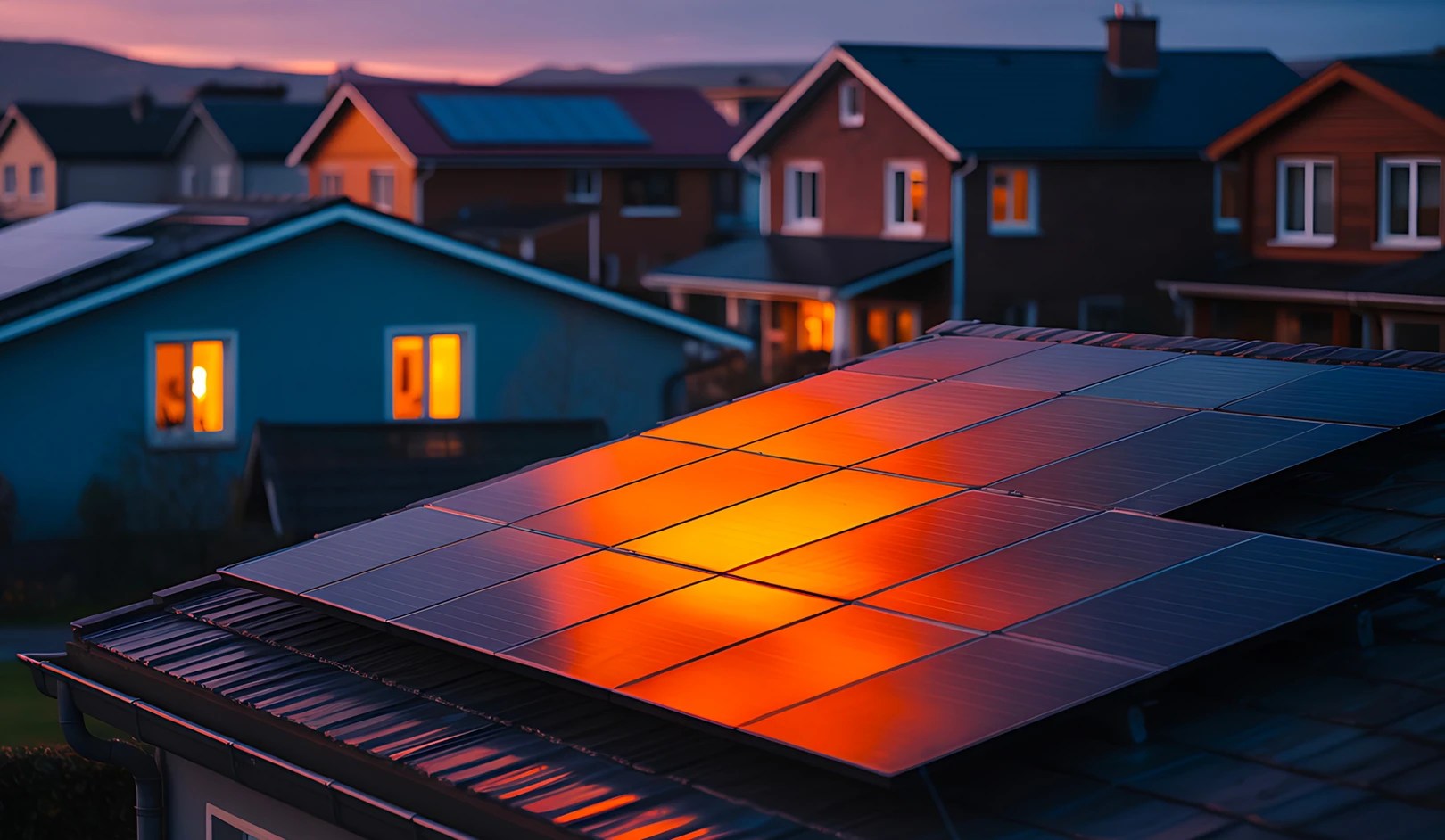

Shifting flexible energy use to sunny hours can help homeowners use more of their own solar production instead of buying electricity later in the day.
What can I do?
If you're considering panels, it can help to start with pricing and incentives in your area. That's where EnergySage comes in handy.
EnergySage's solar map shows the average cost of a home solar panel system by state, along with details on available solar panel incentives. Together, those resources can help you get the best price for rooftop solar panels.
Adding battery storage to a solar setup can protect your home during outages, save money on energy, and even help you to go off-grid. Batteries can store extra solar power from the day so you can use it at night, which may reduce how much electricity you need to buy from the grid.
If you want to learn more, EnergySage offers free tools for exploring home battery storage options, including competitive installation estimates.

Get TCD's free newsletters for easy tips, smart advice, and a chance to earn $5,000 toward home upgrades. To see more stories like this one, change your Google preferences here.






