Big, flavorful tomatoes are often treated as high-maintenance garden staples. However, one U.K. grower is showing that a productive harvest does not always depend on extra feed or fertilizer.
What's happening?
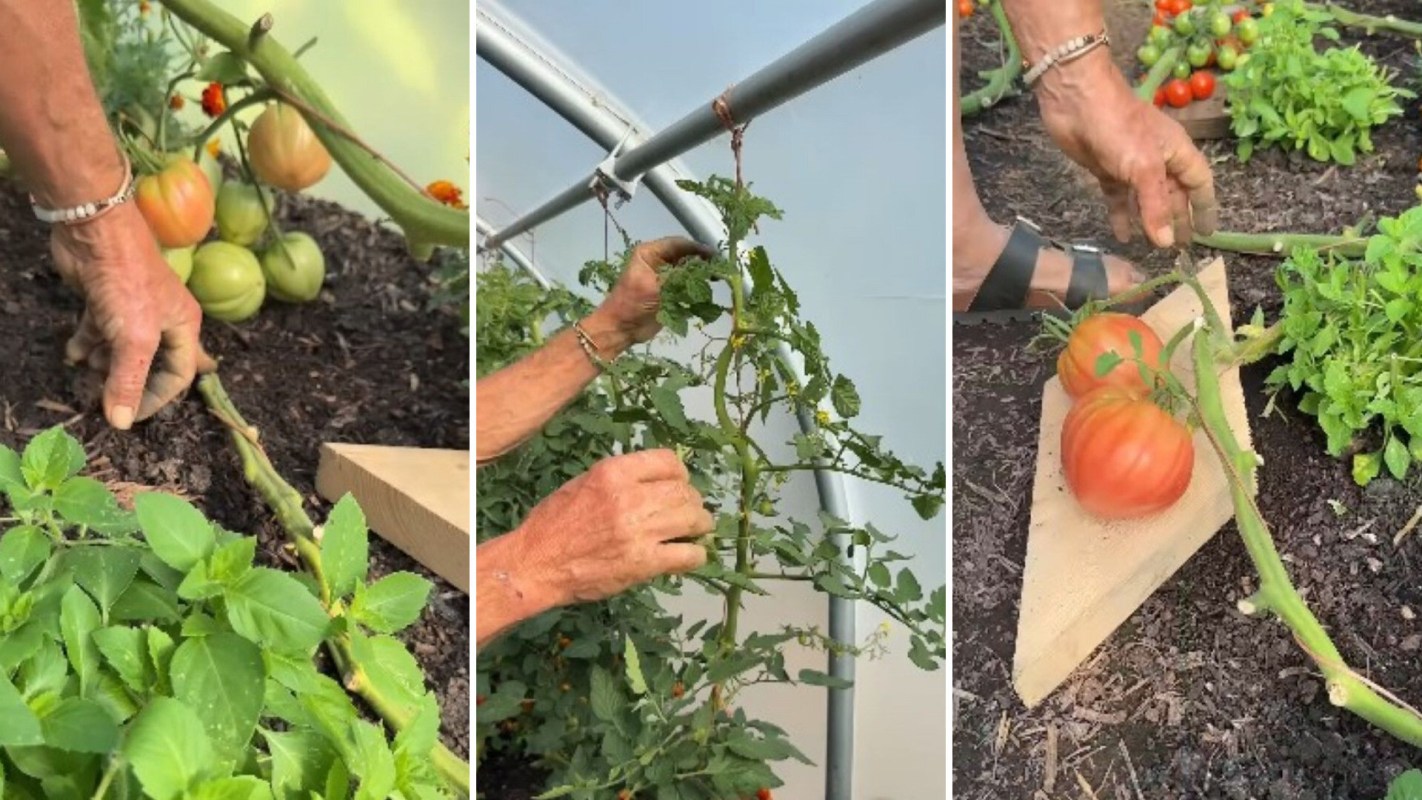
Despite working with only about 5 feet, or 1.5 meters, of vertical room in the side bed of his polytunnel, no-dig gardening pioneer Charles Dowding showed beef tomato plants producing heavily.
The YouTube walkthrough shows that he had already lowered the vines so sections of stem lay along the soil surface, even as new fruit trusses continued developing above.
Dowding captioned the video, "Strong growth and no dig, without any feed or fertiliser, results in wonderful beef tomatoes in my polytunnel side bed."
Among the tomatoes he highlighted were a pink oxheart tomato and Sakura F1 cherry tomatoes, and he said he uses small blocks of wood to lift some fruit off the ground so it stays cleaner before harvest.
With early October serving as his cutoff in that climate, Dowding said he was pinching out the tops because there was little time left for additional fruit to ripen before then.
TCD Picks » Quince Spotlight
💡These best-sellers from Quince deliver affordable, sustainable luxury for all




At that point, he harvests the remaining tomatoes and removes the plants so winter salads can be transplanted into the same bed.
Why does it matter?
Growing food does not always have to mean buying more products.
If tomatoes can perform well without extra fertilizer in some conditions, that can lower gardening costs and reduce the trial-and-error spending that often comes with chasing bigger harvests.
Homegrown tomatoes are widely known for better flavor, and picking them close to peak ripeness can make a noticeable difference compared with store-bought fruit that may be bred or harvested for transport.
Growing even part of your own produce can also help cut grocery bills over time.
Gardening can support mental health through stress relief and time outdoors while also adding physical activity through planting, pruning, watering, and harvesting.
Lower-input methods such as no-dig gardening may also help preserve soil structure and reduce unnecessary disturbance in the garden bed.
What can I do?
Grow vertically and lower vines as they lengthen instead of giving up when plants outgrow their supports. Pinch out new growth so the plant focuses its energy on ripening the fruit it already has.
Gardeners can also experiment on a small scale. Rather than changing an entire yard or raised bed at once, it may make sense to test a no-dig section and compare results over a season.
Observing ripening time, plant vigor, pests, and watering needs can help determine what works best in a particular climate.
The comments were flooded with praise and sharing their own experiences.
One user said, "Such a beautiful sight. Tomatoes are one of the best things to home grow, the smell and flavour you can't beat."
Another commented, "I was a bit apprehensive about my tomatoes about 3 weeks ago, but since then, they've gone absolutely mental."

Get TCD's free newsletters for easy tips, smart advice, and a chance to earn $5,000 toward home upgrades. To see more stories like this one, change your Google preferences here.