


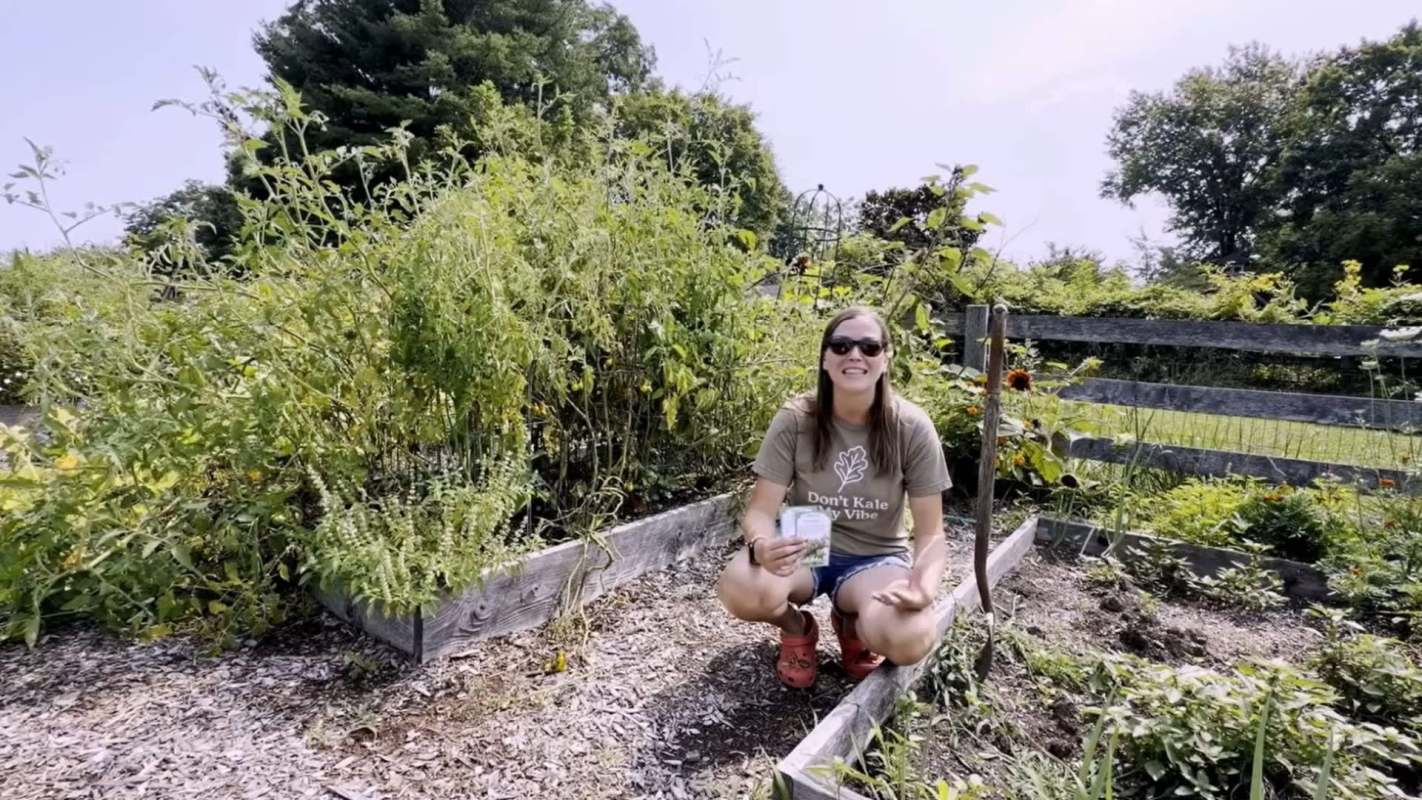
If your garden is starting to look a little tired by late summer, August may actually be the perfect time to keep going rather than call it quits.
Very Good Gardening (@verygoodgardeningmd) says five cool-weather vegetables can turn newly empty beds into a productive fall harvest, helping gardeners keep fresh food coming long after peak summer has passed.
What's happening?
August is a planting opportunity many gardeners miss once spring crops are finished and summer beds start looking spent. Instead of letting that space sit bare, gardeners can replant while the ground is still warm and the approaching cooler nights begin to favor fall-friendly vegetables.
The lineup includes kohlrabi, broccoli, cabbage, potatoes, and peas, with the video noting that some of them are actually better suited to the cooling conditions of fall than to spring's warming weather.
Those conditions can improve both quality and flavor, producing firmer broccoli, more compact cabbage, and sweeter crops after a light frost.
The creator highlights kohlrabi as a quick-growing choice that can be ready in "just 50 to 60 days," and says peas and potatoes can also be good late-season options.
TCD Picks » Quince Spotlight
💡These best-sellers from Quince deliver affordable, sustainable luxury for all




One commenter wrote, "Thank you for sharing all direct sow opportunities! (I can't start seeds indoors.)"
Why does it matter?
For households looking to stretch their grocery budgets, a second planting window can mean more homegrown produce without needing any extra garden space.
Reusing beds that already produced spring crops helps maximize "every square foot," which could mean fewer trips to the store for vegetables.
Fresh-picked produce often tastes better than store-bought versions that may have traveled long distances, and crops such as peas, cabbage, and broccoli can become sweeter or more flavorful in cooler weather.
Gardening can also support mental and physical health. Digging, planting, watering, and harvesting all encourage movement, time outside, and stress relief, while growing food can help people feel more confident and in control of what ends up on their plates.
A longer growing season can also make better use of existing garden space. Rather than leaving cleared beds unused, gardeners can keep producing food into autumn.
What can I do?
Gardeners with extra room in containers, raised beds, or an in-ground plot can use August to start vegetables for fall.
The video recommends choosing crops that prefer cooler weather and getting them established while the soil is still holding summer warmth.
Set up a trellis for peas before the vines start climbing, use mulch around cabbage to help conserve water and even out soil temperature, and keep the soil from drying out, especially for peas and potatoes.
Gardeners who are new to growing food can start small with one or two crops instead of reworking the whole yard. Match the planting window to your local first frost date and choose faster-maturing varieties when needed.
"August isn't the end of the garden. It's your chance to build an entirely new harvest," the creator said.
One viewer wrote, "Good information in this video. I am glad to hear about planting potatoes in August."

Get TCD's free newsletters for easy tips, smart advice, and a chance to earn $5,000 toward home upgrades. To see more stories like this one, change your Google preferences here.






