


In a refreshing yet confusing turn of events, a homeowner received a negative bill from their energy provider, sparking a discussion about one of the best money-saving hacks around.
In Reddit's r/TeslaSolar, the New Jersey homeowner shared they were "thrilled" with the performance of their solar panels only a few months in. They said they pay a $4 delivery charge but are banking kilowatt-hours because their equipment is overproducing.
However, they didn't understand why their provider — Jersey Central Power & Light, owned by FirstEnergy Corp — sent them a bill for minus-$25.73 for one month.
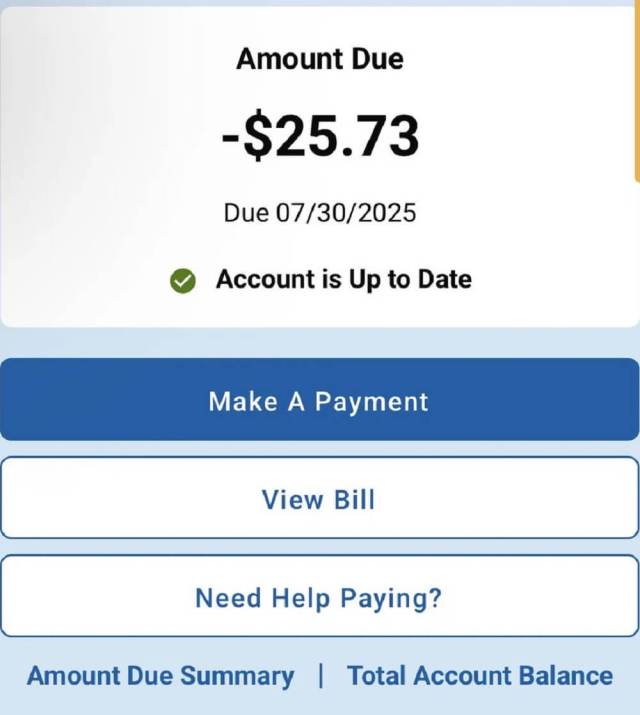
"I was under the impression that … I would only bank excess electricity to use later when I am not producing as much as I use?" they said. "Anyone else ever receive a negative bill?"
With electricity costs rising faster than the rate of inflation and expected to keep doing so through 2026, according to the U.S. Energy Information Administration, it is no surprise they wanted to investigate their strange yet exciting energy bill.
However, consumers who have connected with EnergySage to get quick solar estimates and compare quotes for free may not be as shocked by the original poster's discovery, as installing solar panels is a surefire way to save thousands of dollars on home energy costs annually.
One West Coast-based homeowner explained that many people with solar panels can see a negative balance on their bills if they provide excess energy to the grid.
"Essentially, they are 'paying' for your power," they said. "For the most part, you may have been credited enough for your excess that it covered your connection and delivery charge and you will have extra if you pull from the grid, incurring almost no charge for a period of time."
Save $10,000 on solar panels without even sharing your phone number Want to go solar but not sure who to trust? EnergySage has your back with free and transparent quotes from fully vetted providers that can help you save as much as $10k on installation. To get started, just answer a few questions about your home — no phone number required. Within a day or two, EnergySage will email you the best local options for your needs, and their expert advisers can help you compare quotes and pick a winner. |

While rules involving solar net metering vary from state to state, EnergySage offers free resources to help homeowners sort through their solar options.
The online marketplace has helped the average person save around $10,000 on installation costs, with its handy mapping tool providing details on which state-specific incentives may be available. Beginning your solar journey now could save you a lot of money in the long run, though, as federal tax incentives for solar projects end on December 31.
|
Which of these factors is the biggest obstacle preventing you from getting solar panels? Click your choice to see results and speak your mind. |
 The upfront cost 💰
 The same is true for heat pumps, energy-efficient heating and cooling devices that can help you make the most of your solar benefits, from cost savings to heat-trapping pollution reduction.
EnergySage's free heat pump quotes comparison tool can help you find the right heat pump for your home at an affordable price — and contrary to a common misconception, you don't have to live in a warm-weather climate to take advantage.
More From EnergySage
💡Go deep on the latest news and trends shaping the residential solar landscape



As for the mystery of why the OP suddenly received a negative bill, one New Jersey-based commenter said that the utility provider applied a deferral credit on all residential bills for July and August, when electricity use is generally higher than in the fall.
However, they also shared: "My solar is completely paying for our summer bills and then some. Hoping to have enough net metering credits for the winter to run our heat pumps for our house."

Join our free newsletter for easy tips to save more and waste less, and don't miss this cool list of easy ways to help yourself while helping the planet.
Cool Picks






