



A Facebook post from a Mustang Mach-E owner is gaining traction online after describing a string of unprovoked harassment — and even property damage — directed at electric vehicle drivers.
The post, shared in the Mustang Mach-E Owners Facebook group, has sparked a larger conversation about why some people still respond with hostility toward EVs.
In the post, Mach-E driver Cesar Alf describes encountering an "EV hater" yelling at him at a traffic light.
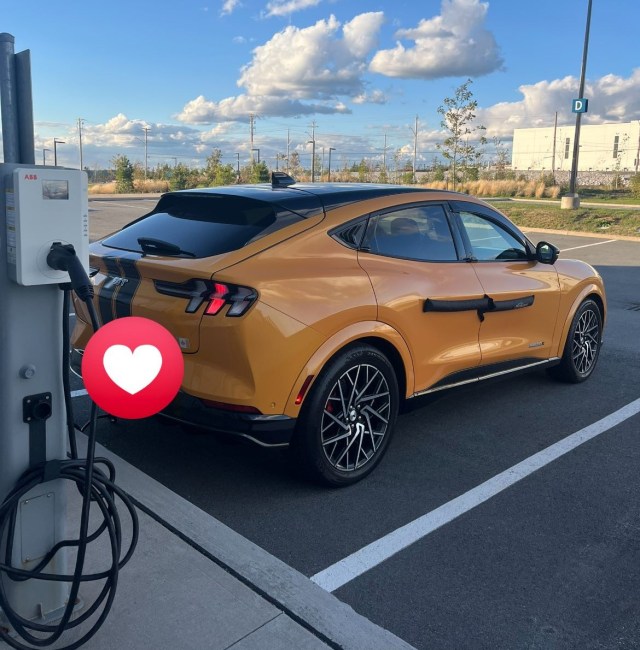
He also mentioned a friend whose EV was "scratched the whole side by keys" in a parking lot — damage he believes came from "jealous" critics of electric cars. "Every day they are less," he added, focusing on the brighter side as EV ownership grows worldwide.
The comments reveal just how widespread — and inconsistent — these experiences can be. Some drivers describe gas-car owners revving aggressively as they pass, or drivers of lifted trucks attempting to intimidate them. Others say online forums are filled with people "spreading negativity about EVs" as a hobby.
But plenty of owners reported the opposite: curiosity, support, or no reaction at all, especially in areas where half the vehicles on the road are already hybrids or fully electric.
This kind of hostility has real consequences. Harassing EV drivers, or vandalizing their cars, can discourage new buyers and slow the shift away from gas and oil.
Transportation is responsible for more than 16% of global carbon pollution, and EVs remain one of the fastest ways to cut those emissions.
EVs aren't impact-free — battery materials and electricity use do matter. But even with those factors included, they still have a much smaller lifetime footprint than gas cars. And the minerals needed for batteries are tiny compared with the billions of tons of fossil fuels we dig up each year.
Similar incidents have surfaced before, from vandalism at charging stations to truck drivers trying to block charging stations — all reminders of the growing pains that come with a major energy transition. But as used EVs become more affordable and charging networks improve, many of these tensions begin to fade.
TCD Picks » Quince Spotlight
💡These best-sellers from Quince deliver affordable, sustainable luxury for all




|
Do you ever worry about the air quality in your home? Click your choice to see results and speak your mind. |
 All the time 😳
 Many Facebook users echoed that sentiment in the comment section.
"In my experience, most people don't care what you are driving," one wrote.
Another commenter added: "When the used market is more saturated with electric models and regular folks can afford an electric for <$20k, they'll experience the EV grin and understand what we've been getting at."
One commenter put it simply: "Spreading negativity about EVs. It's a hobby for some."

💰Get TCD's free newsletters for easy tips to save more, waste less, and make smarter choices — and earn up to $5,000 toward clean upgrades in TCD's exclusive Rewards Club.
Cool Picks






