


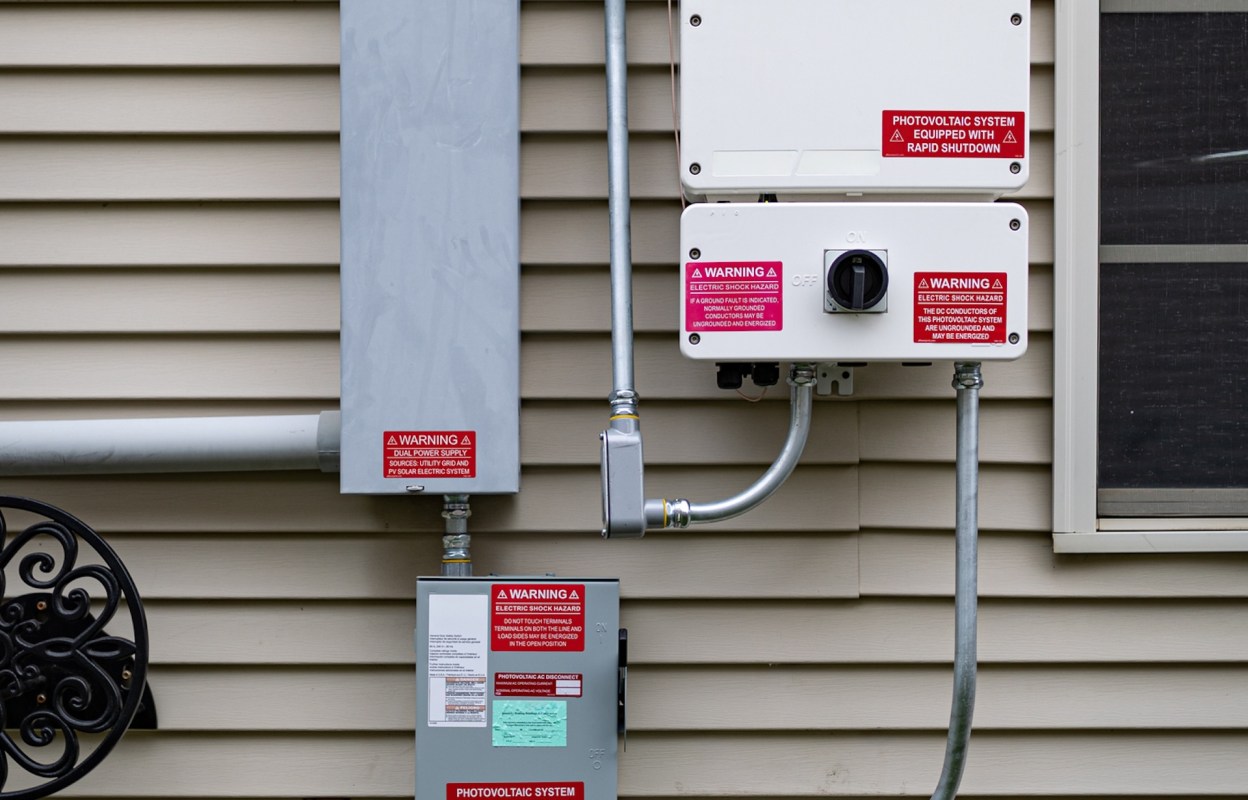
A utility billing mix-up upended one Missouri homeowner's plan to have solar cover all of the house's electricity use.
For about two years, the home's account and a neighbor's account had been connected to the wrong meters in the utility's records. As a result, the solar installation was planned around inaccurate billing data and turned out to be far too small for the home's energy needs.
Here's what to know
The main issue, the homeowner explained in a post to Reddit's r/solar community, was that their system was sized using past utility bills that were later found to be wrong.
"Last year, I took advantage of the solar tax credit and got solar installed on my home," the original poster wrote. "We have a large house, 6,000 square feet, but our electric bill was always pretty low. We just thought it was well insulated.
"... When the utility company came out to inspect, they discovered that we had been paying our neighbor's bill and our neighbor had been paying ours. … Apparently we had been severely underpaying for about two years (think $300 a month vs. $700)."
So, the homeowner ended up with an undersized solar system, and they asked the subreddit for help, wondering how they should expand the array.
Several commenters said they should focus on electricity consumption in kilowatt-hours rather than monthly charges. "Get your actual usage for the last few years," one wrote.
Another recommended, "If your system is working fine without any issue, go back to the same installer."
Save $10,000 on solar panels without even sharing your phone number Want to go solar but not sure who to trust? EnergySage has your back with free and transparent quotes from fully vetted providers that can help you save as much as $10k on installation. To get started, just answer a few questions about your home — no phone number required. Within a day or two, EnergySage will email you the best local options for your needs, and their expert advisers can help you compare quotes and pick a winner. |

More background
The episode highlights a basic challenge in solar design, as an installer's calculations are only as good as the utility history behind them. If that history is inaccurate, a system can fail to meet the household's demand.
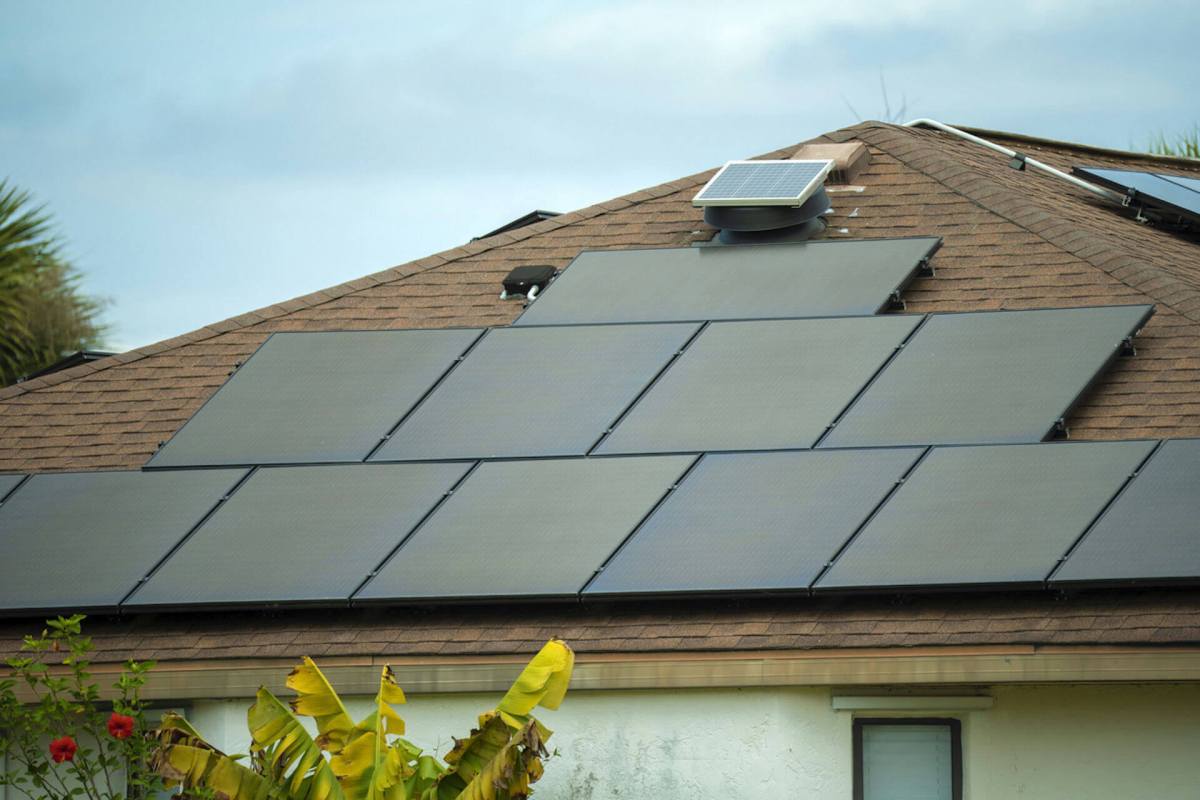
The homeowner said they had 39 panels spread across the east- and west-facing roof paired with two 10-kilowatt inverters. They noted peak output was 15.5 kilowatts, which made them think there was headroom.
Adding panels could help the system increase its cost-saving value. The homeowner said they had 1-to-1 net metering and could carry unused credits for up to 12 months, so summer generation could balance winter bills.
Going solar is one of the best ways to save money on home energy, especially when net metering allows summer production to offset seasonal spikes and federal incentives are available.
More From EnergySage
💡Go deep on the latest news and trends shaping the residential solar landscape


Homeowners weighing a first system or an expansion can explore EnergySage to get free installation estimates and compare quotes. Those who do can save up to $10,000.

Get TCD's free newsletters for easy tips, smart advice, and a chance to earn $5,000 toward home upgrades. To see more stories like this one, change your Google preferences here.







