


For many households, growing a few tomatoes is a summer win. One Missouri family is taking that idea much further, using an off-grid garden system to grow herbs, fruit, beans, onions, and potatoes while living in just 900 square feet.
What's happening?
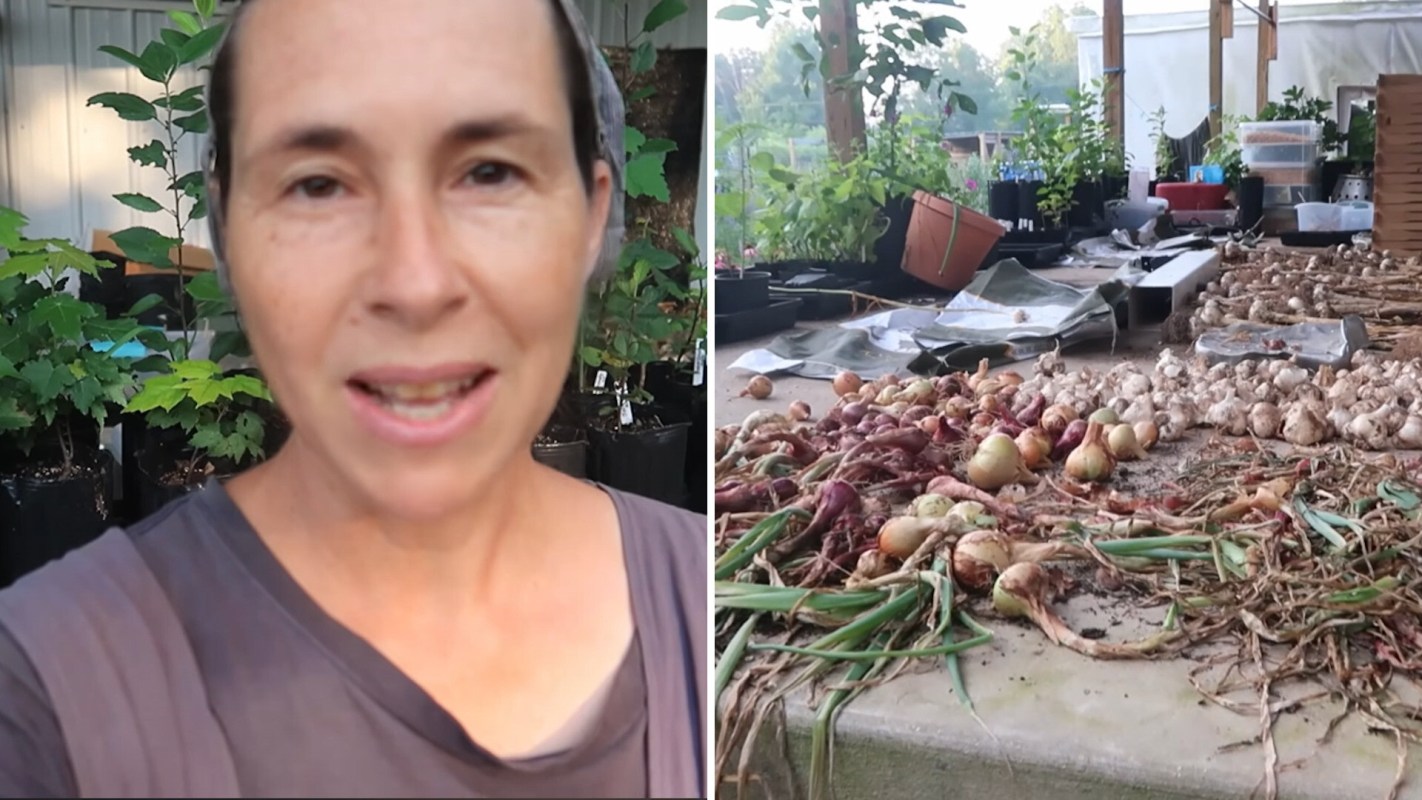
Kip and Carrie Smyth, off-grid homesteaders in the Ozarks, recently shared a detailed summer walkthrough of their garden setup in a YouTube video from their channel 1000's of roots (@1000sofroots).
"We are a family of 9 living in a 900 sq. ft. off grid home on 20 acres in the Ozarks," they wrote in the video's caption. They added that they are "endeavoring to put in '1000's of roots' on our land through permaculture design principles."
Raspberries, gooseberries, honeyberries, fruit trees, herbs, perennials, bush beans, onions, and potatoes all have a place in the family's kitchen garden. Carrie Smyth said the area has been "our classroom over the years," and described it as both a nursery for young plants and a productive space anchored by six annual beds.
The garden also depends on simple systems that help extend the usefulness of what is grown there. Potatoes are cured on shaded racks, onions and garlic are dried on top of a root cellar, and potted rosemary, stevia, and fig plants are moved into a greenhouse for winter. The nearby front garden is also being rebuilt with raised beds after ducks had previously used the area for protection from predators.
Not everything has gone according to plan. Heavy rain caused many dahlias to rot, and melons had to be replanted multiple times after being hit by water and bugs. Smyth also said a late frost reduced fruit production, and fire blight affected some apple trees.
TCD Picks » Quince Spotlight
💡These best-sellers from Quince deliver affordable, sustainable luxury for all




Why does it matter?
Growing even part of a family's produce can help cut grocery bills, especially when it includes commonly used items such as herbs, tomatoes, beans, onions, and potatoes.
The Smyths' setup also shows how gardens can do more than simply produce food. Their beds include pollinator-friendly flowers, self-seeding plants, compost bins, water catchment, and fruit trees — features that support biodiversity while making the land more productive over time.
The video also offers a realistic look at the work involved. There are weeds, pests, diseases, drainage issues, and crop losses, but that shouldn't discourage gardeners.
What's being done?
The family is steadily improving the system season by season. They rest beds, use comfrey tea as fertilizer, move berries to sunnier spots, save seeds, start trees from seed, and design garden areas around animals so scraps can go straight to chickens and turkeys.
They are also adapting as conditions change. After losing plants to rain, they replanted. After runoff from the chicken yard became a problem, Smyth began considering a retaining wall. After strawberries were moved, that space was repurposed for bush beans.
It is a practical example of how resilient gardens are often built through trial and error.
"In the madness…your channel is a constant source of inspiration and joy," one commenter wrote.

Get TCD's free newsletters for easy tips, smart advice, and a chance to earn $5,000 toward home upgrades. To see more stories like this one, change your Google preferences here.






