


Reusing the same greenhouse bed year after year can seem like a gamble, especially with a crop as prized as melons. But one gardener's latest harvest suggests that, with the right setup, the payoff can be sweet.
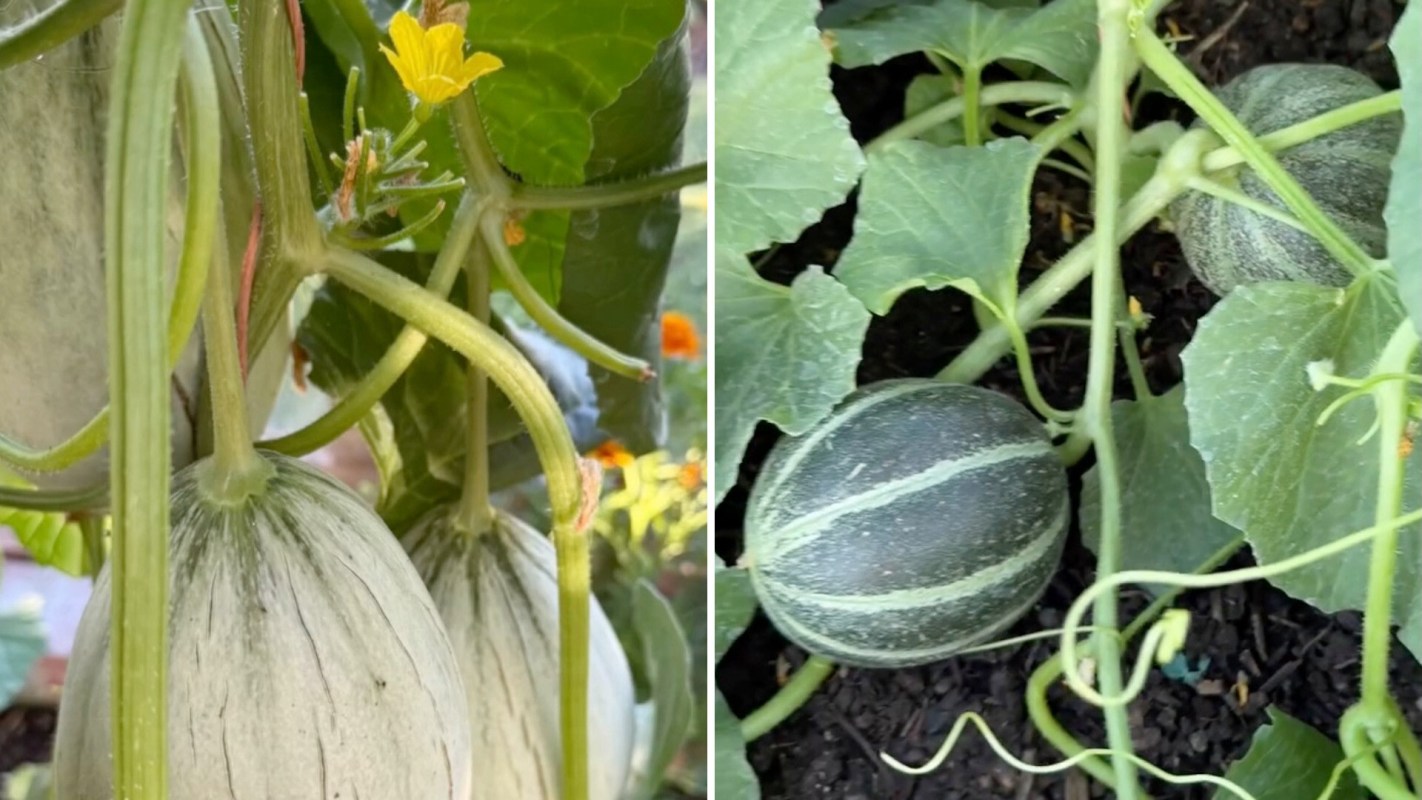
No-dig gardening authority Charles Dowding (@charles_dowding) shared an Instagram reel showing three melon varieties doing well in the same greenhouse spot they grew in last year.
What's happening?
Inside the greenhouse were three types of melon: Emir, Malaga, and Ogen. Dowding is based in Somerset, England, and the caption explained that they were sown in late March in a CD15 tray, moved into larger pots, and planted out in early May.
The reel also showed that the plants were being handled in different ways. Some stems were guided upward, while the Ogen variety was also allowed to spread along the ground.
Dowding said, "Melons in the greenhouse are growing so nicely this year, in the same place as last year."
Why does it matter?
Gardening can deliver several direct benefits at once. Growing produce at home can help cut grocery bills, particularly for specialty fruits such as melons, which often carry premium prices in stores.
TCD Picks » Quince Spotlight
💡These best-sellers from Quince deliver affordable, sustainable luxury for all




It can also mean better flavor, since homegrown fruit can be picked at peak ripeness instead of being shipped long distances.
Gardening supports light physical activity, gets people outdoors, and can improve mental health by reducing stress while creating a sense of routine and accomplishment.
The post also highlights the appeal of no-dig growing. Building healthy soil with compost instead of repeated digging can help retain moisture, reduce weed pressure, and make a garden easier to manage over time.
What can I do?
Keep things simple. A greenhouse helps, but even a sheltered, sunny growing area can improve your chances with heat-loving crops. For a more manageable process, start seeds in modules early in spring, then pot them, and wait until conditions are warm before planting them out.
Training methods can vary too. Some melon vines can be supported vertically to save space, while others can be left to spread. Choosing a few varieties and seeing which performs best in your conditions is often more useful than chasing a single "perfect" method.
One commenter added, "Well done! Those are two new varieties to me too, hoping I can find them in Minnesota."

Get TCD's free newsletters for easy tips, smart advice, and a chance to earn $5,000 toward home upgrades. To see more stories like this one, change your Google preferences here.






