


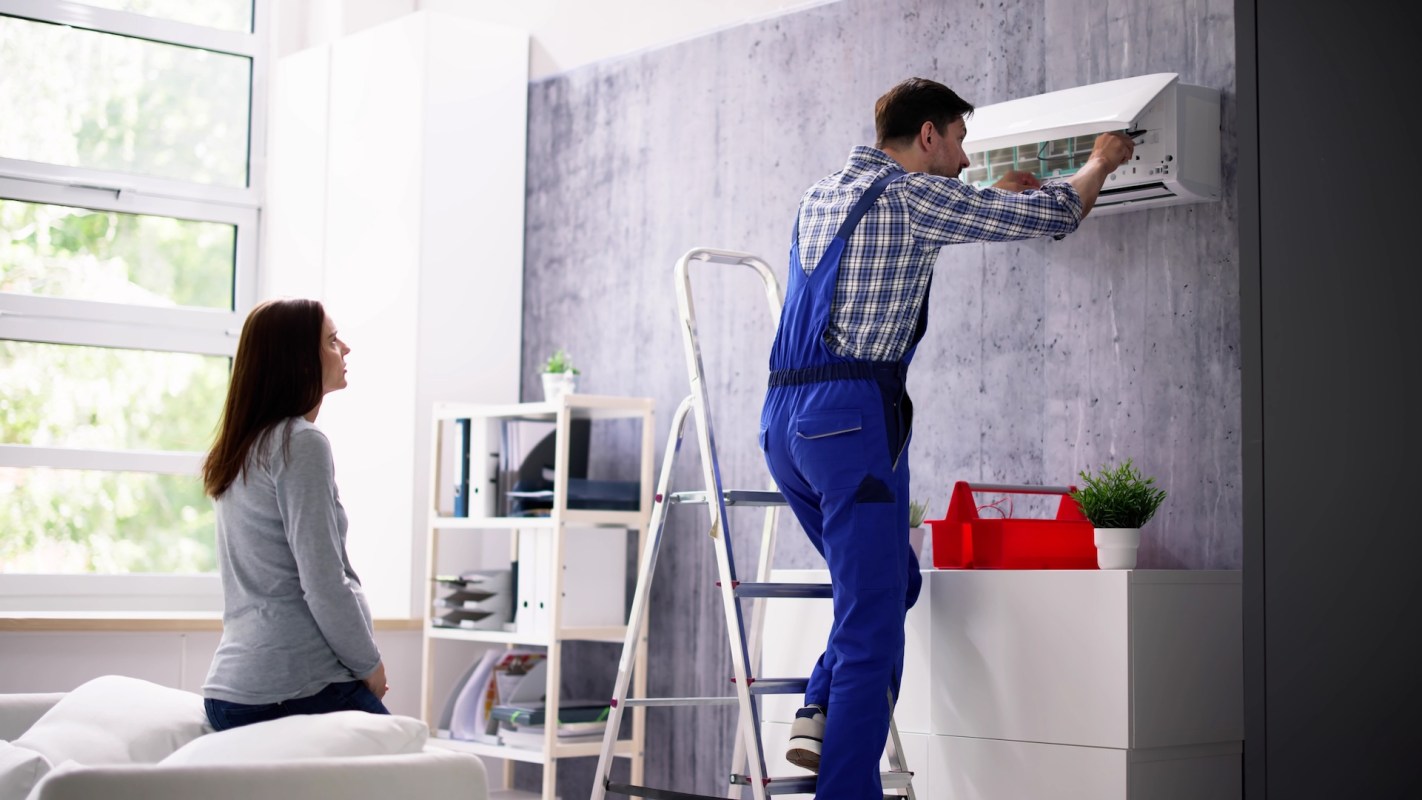
Missouri Attorney General Catherine Hanaway warned residents to be cautious when hiring air-conditioning repair services during periods of extreme heat, KOMU reported. When the heat ramps up, Hanaway's office says malfunctioning AC units can leave homeowners vulnerable to scams and fraudulent services.
What's happening?
Amid extreme heat, Hanaway's office issued a news release to tell residents to be wary of scammers who may target stressed customers.
It warned that heat advisories can create opportunities for inflated pricing and deceptive sales tactics.
"Consumers should keep an eye out for inflated prices and deceptive tactics," she stated.
Among the red flags the office identified, per KOMU, were companies that begin work before the customer has agreed to terms, claim a working part must be replaced, recommend more refrigerant than necessary, and present a recharge as the answer even though regular recharging generally should not be needed.
The office also cautioned that very low prices or "free" offers may not be legitimate bargains and can point to cut corners, poor workmanship, or extra charges later, per KOMU.
TCD Picks » Quince Spotlight
💡These best-sellers from Quince deliver affordable, sustainable luxury for all




Why does it matter?
For many households, air conditioning is not just a convenience during extreme heat. It can be a health and safety necessity that can push homeowners without it to make rushed decisions they might otherwise avoid.
That situation is magnified when indoor temperatures rise and vulnerable family members are at home. Excess heat threatens public health, and much of the country was recently in a serious heat wave.
Paying for unnecessary replacement parts, excess refrigerant, or vague low-cost services that do little to fix problems can turn a routine repair into a big expense. Poor or incomplete service can also cause an air-conditioning unit to fail (again) soon afterward, leading to more discomfort, more stress, and another round of repair bills.
As bills ramp up because of heat and increased demands on the grid, these sorts of strains on everyday Americans' wallets hit even harder.
What can I do?
Before agreeing to a quoted price, the attorney general's office said Missourians should get a second opinion, as KOMU noted.
Homeowners were also advised to insist on a clear explanation of the problem, the proposed work, and why that work is needed. If a technician tries to move ahead before those terms are understood and accepted, that should be a warning sign.
Consumers should also be skeptical of offers that seem too good to be true. When a home is sweltering, a heavily discounted visit or "freebie" can be tempting, but it may be a way to sell costly and unnecessary add-ons.
People who believe they may have been targeted by an HVAC scam can contact the Missouri Attorney General's Office Consumer Protection Hotline at 800-392-8222.
"My office will go after anyone who takes advantage of Missourians," Hanaway stated.

Get TCD's free newsletters for easy tips, smart advice, and a chance to earn $5,000 toward home upgrades. To see more stories like this one, change your Google preferences here.






