


More than seven years after a Louisiana family lost their dog, a shelter intake and microchip scan delivered the outcome that owners long for after a pet's disappearance. As WBRZ reported, their pet, Champ, was identified and brought back home.
What happened?
Champ first went through Companion Animal Alliance in Baton Rouge when he was adopted as a puppy in 2016, the shelter recounted in a Facebook post.
About three years later, he disappeared, and his family didn't see him again until he came back to that same shelter as a stray.
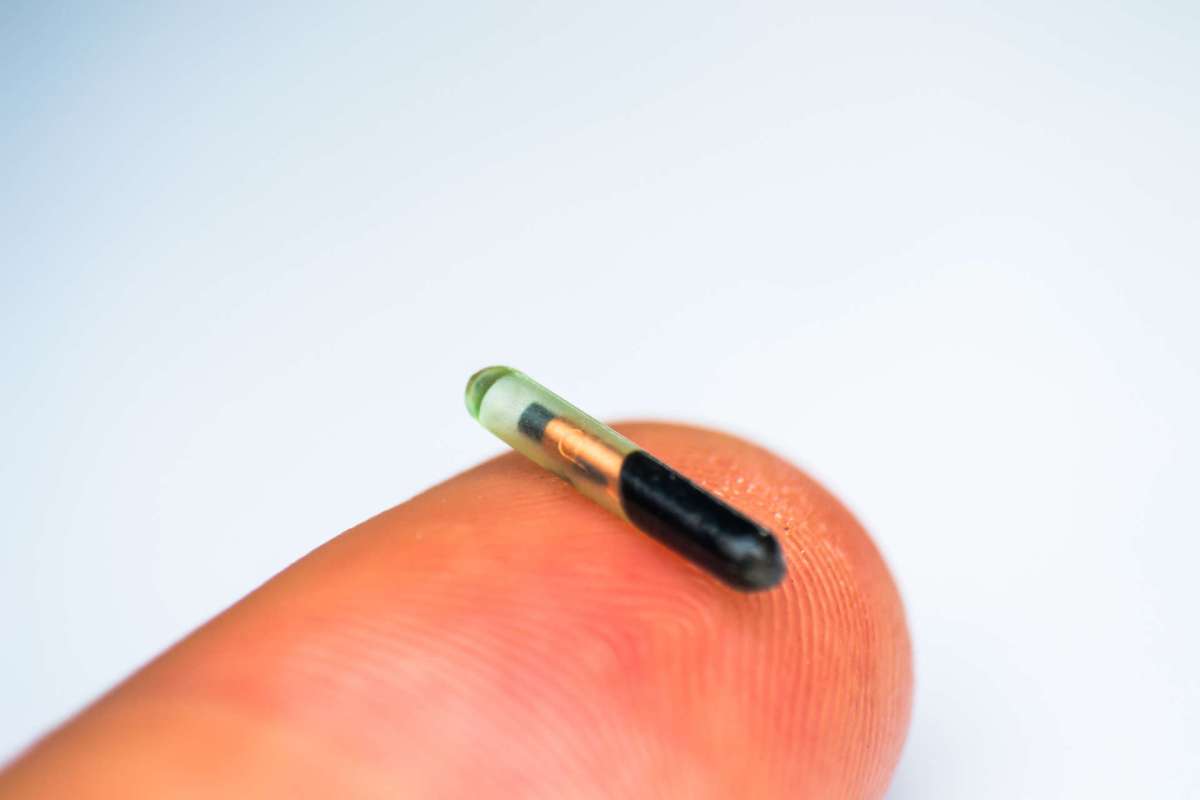
His family had gone more than seven years without knowing what happened to him. That changed when staff at Companion Animal Alliance checked Champ for a microchip, allowing the shelter to identify his family and get in touch.
Once the shelter reached them, the response was immediate. Companion Animal Alliance said Champ's family came over as soon as they learned he had been found.
"There were tears, hugs, phone calls to family members, and an emotional reunion years in the making, " the shelter wrote on Facebook. "It was a reminder that even after all this time, hope wasn't lost."
TCD Picks » Quince Spotlight
💡These best-sellers from Quince deliver affordable, sustainable luxury for all




Why does it matter?
Even a very long disappearance does not always mean the search for a pet is over. Dogs can survive outside of their homes far longer than many people might expect.
Microchips can also make a big difference when dogs don't have any other forms of identification. A pet can arrive at a shelter with no obvious way to trace its history, but a chip can create an instant connection to the people who have been missing that animal for years.
Families often spend months or years wondering what happened to a lost pet, and shelters regularly take in animals whose backgrounds are unknown. When identification works, it can help shelters reunite animals quickly and with joy.
Champ's story also shows how adoption organizations can remain part of an animal's journey long after the day it leaves the shelter.
What can I do?
A microchip is most useful when the phone number, address and emergency contacts tied to it are up to date. And visible ID matters, too. Putting a collar tag on your pet can only create more security and a better chance of a happy reunion if an escape happens.
"If your pet isn't microchipped, or if your contact information has changed, take a few minutes to update it today," Companion Animal Alliance wrote in its post. "You never know when that tiny chip could make all the difference."

Get TCD's free newsletters for easy tips, smart advice, and a chance to earn $5,000 toward home upgrades. To see more stories like this one, change your Google preferences here.






