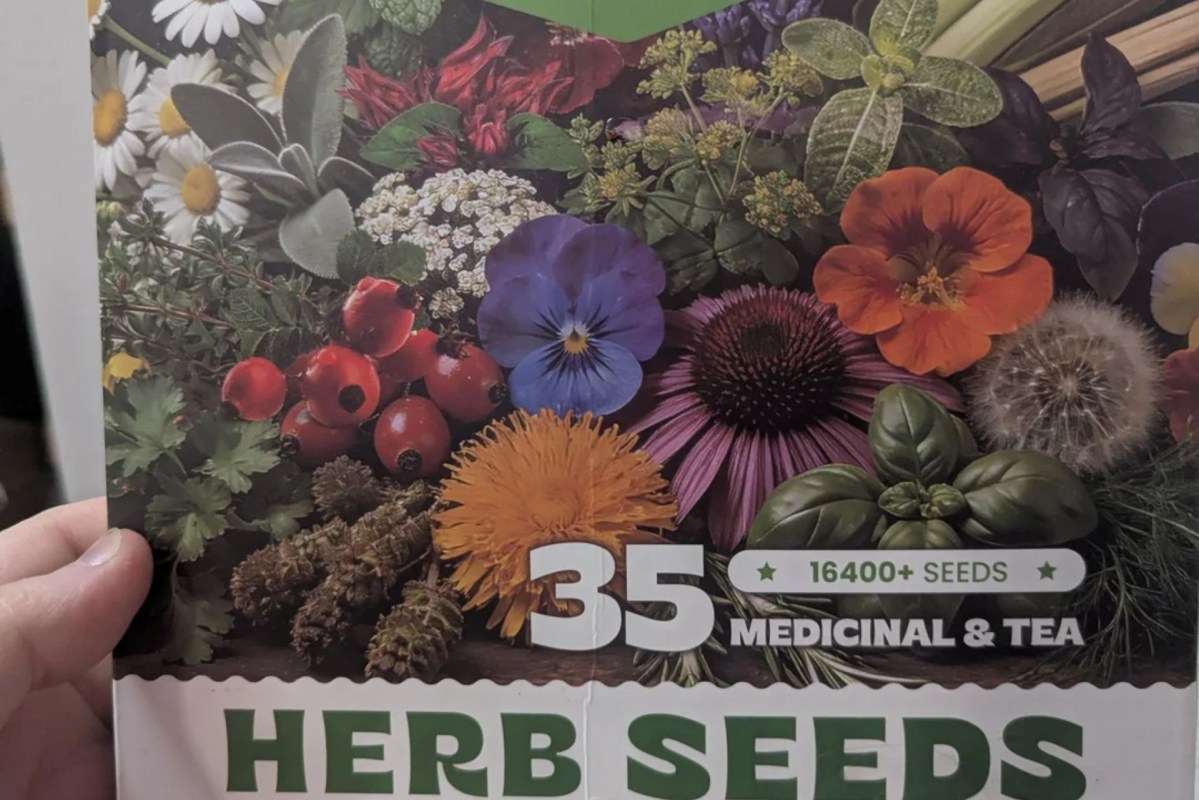
What was supposed to be a straightforward order of herb seeds from Amazon turned into something far stranger for one gardener, who reported mislabeled packets and the same unidentified seedling showing up over and over.
The incident underscored the downside of bargain seed packets, especially for people trying to grow their own herbs or food.
What happened?
In a post on the Reddit forum r/gardening, the gardener said a seed brand sold on Amazon appeared to have sent multiple packets with labels that did not match what was inside.
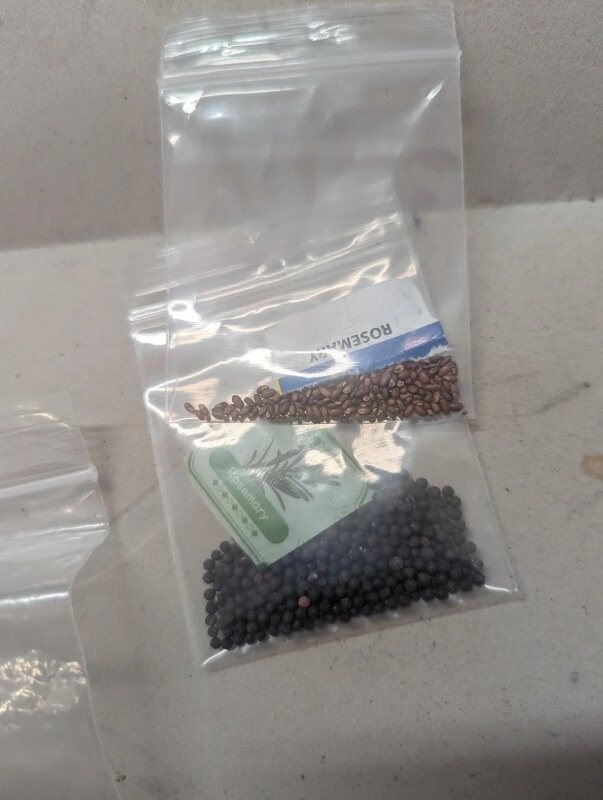
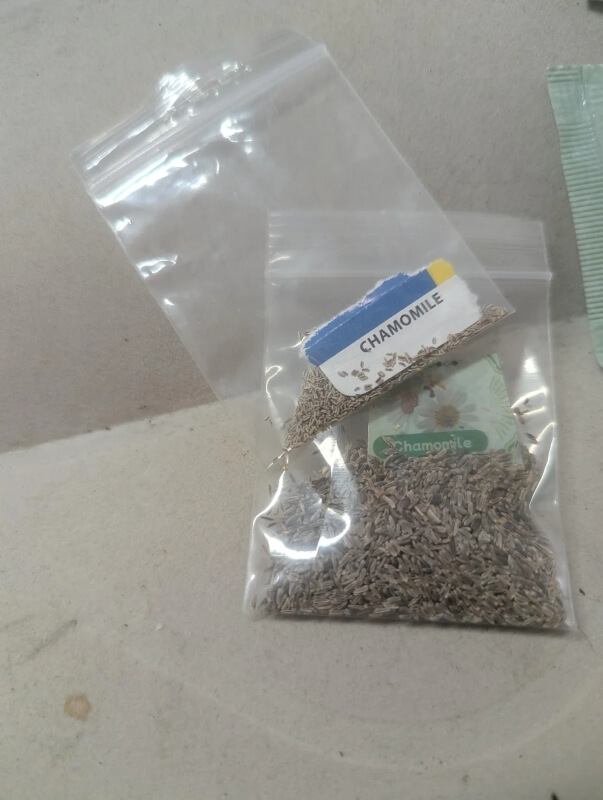
"They packaged the seeds in a small green baggie that cannot be resealed, so I had to transfer them to [a] different bag," they explained. "So I've compared them to some of my other seeds [that are] supposed to be the same kind, they do not look the same. Google search says they're different types of seeds."
"The chamomile seeds are cumin. The Rosemary is some kind of brassica. … The sage, lemongrass, lemon balm, peppermint, all Che Qian Zi (Asian plantain), or possibly an undistinguishable mint family."
Many of the replies took the story as a warning, with Redditors saying shoppers should be extra cautious about unfamiliar seed brands sold through huge online marketplaces.
One commenter mentioned that the AI cover art and branding was a "dead giveaway." Several people said buyers should stick with established seed companies.
TCD Picks » Quince Spotlight
💡These best-sellers from Quince deliver affordable, sustainable luxury for all




Others pointed people toward local seed libraries and seed banks, saying those options can provide varieties better suited to the region and a more reliable chain of custody than anonymous packets from third-party sellers.
Why does it matter?
A mislabeled seed packet can be more than a small frustration for home gardeners. It can eat up money and a full growing season while leaving someone without the herbs, vegetables, or pollinator-friendly plants they intended to raise.
There is also a larger concern: mystery seeds can prompt worries about invasive species, plant diseases, or plants that are simply a poor fit for local ecosystems.
Even when the consequences are less severe, gardeners may still spend water, soil, and time growing plants they never meant to plant.
That matters even more as more people take up home gardening to lower grocery costs and make their yards more resilient.
Replacing part of a conventional lawn with native plants, clover, buffalo grass, or xeriscaping can cut maintenance and costs while also reducing water use.
Lawns built around native plants can also help pollinators and better match local conditions.
What can I do?
If you are ordering seeds online, experienced gardeners and experts often recommend buying from established seed sellers or using seed-bank and seed-library options when you can.
Regional sources can also make it easier to pick plants that are actually likely to thrive in your area.
Before you buy, check listings for specific details: clear plant names, consistent photos, realistic descriptions, and a seller with a proven track record. Vague listings, ultra-cheap bulk assortments, and flashy packaging all warrant extra skepticism.
It can also be smart to test first. Plant a small batch, keep everything labeled, and compare seedlings early before committing a full bed or an entire season to a questionable packet.

Get TCD's free newsletters for easy tips, smart advice, and a chance to earn $5,000 toward home upgrades. To see more stories like this one, change your Google preferences here.