


For many homeowners, a neat green lawn is the standard. But Worcester, Massachusetts resident and Army veteran Mike Legere sees it as a water-hungry, high-maintenance stretch of grass that offers little help to wildlife.
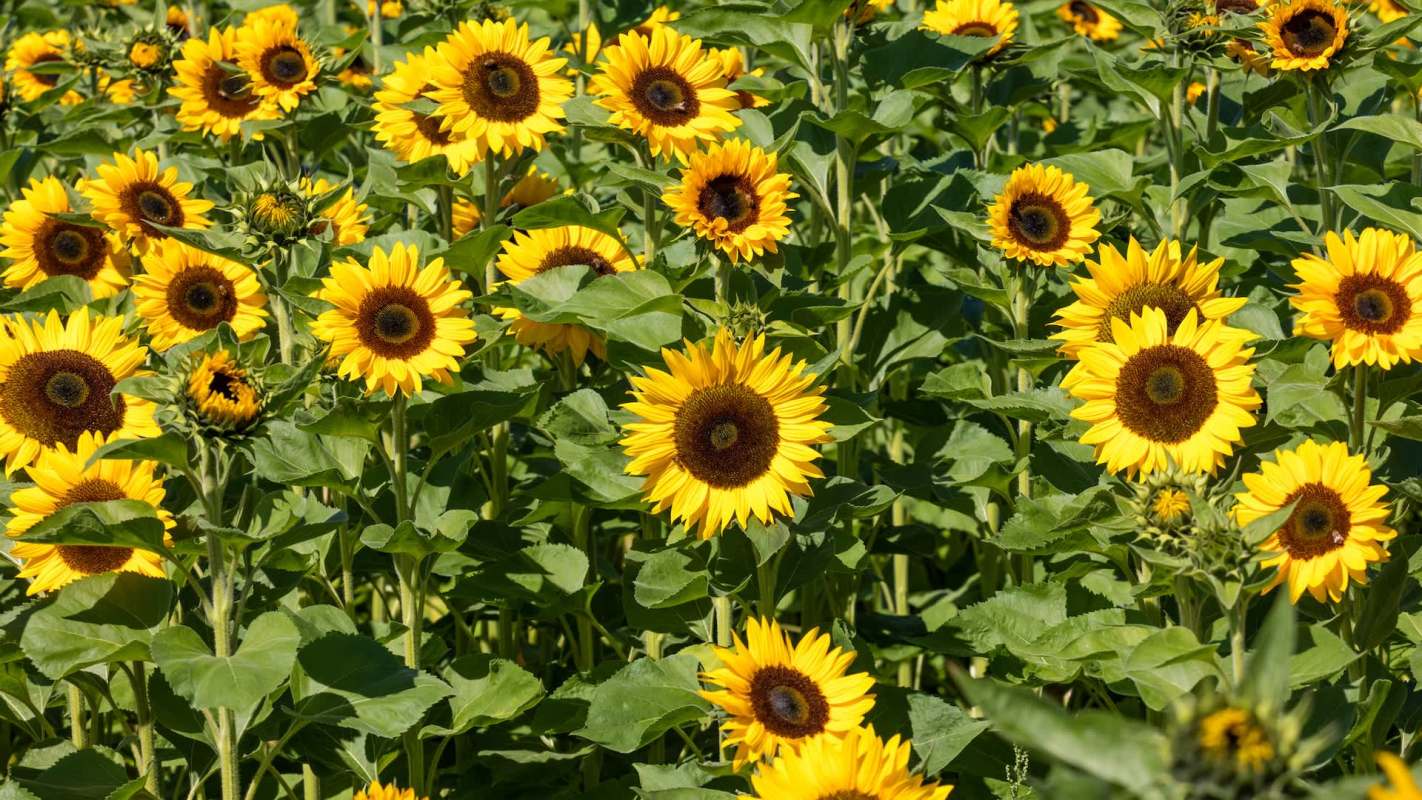
Instead, Legere transformed most of his front yard into a pollinator-friendly landscape designed to support bees, retain water, and grow food.
What happened?
According to the Telegram & Gazette, Legere drew on several parts of his background to shape the yard. He spent 12 years as an Army medic, later became disabled because of injuries, and used his studies in biology and landscaping to create a space meant to function as a more diverse ecosystem.
"I use all natural things, no fencing, old techniques like hugelkulturs," he said. "My undergraduate degree is in biology. I've created a whole diverse ecosystem."
What started as a master's degree project in architectural landscaping also became a way for Legere to challenge the traditional suburban lawn.
"Lawns, grass, they're an ecological desert," Legere said. "They don't really serve any purpose. They don't flower. They don't help the pollinators. And all they do is take more water resources."
TCD Picks » Quince Spotlight
💡These best-sellers from Quince deliver affordable, sustainable luxury for all




He argued that constant mowing has consequences for fireflies, too: "Fireflies require long grass to breed... when people are always mowing their lawns and not letting it grow naturally, fireflies don't have a place to breed."
Why does it matter?
Traditional lawns often require significant time, water, and money while providing relatively little habitat for pollinators and other beneficial insects.
That can matter especially for homeowners dealing with rising water bills and for neighborhoods where manicured turf has become the norm, even when it may not be the most practical option for the local environment.
Native-plant lawns and other lower-maintenance alternatives can help shift that pattern. Replacing even part of a yard with native flowers or other lower-maintenance landscaping can reduce mowing, cut down on watering, and lower spending on fertilizer and upkeep.
These options can also make yards more resilient during dry periods.
To help the soil stay moist, Legere said he buries wood underground: "I almost never have to water anything here it holds onto things so well."
The yard also produces vegetables, and when he has extra, he sometimes leaves free produce out for neighbors.
What can I do?
Homeowners do not need to replace an entire front yard to see benefits. Even a partial lawn conversion can reduce maintenance needs and create more space for pollinators.
Swapping out a strip of turf for native plants or choosing lower-maintenance landscaping can be manageable ways to get started.
Legere's yard can support bees and fireflies, save time otherwise spent mowing, and make outdoor spaces more useful for growing food or simply using less water.
"It might sound hokey, but I'm saving the world in a small, little way," Legere said.

Get TCD's free newsletters for easy tips, smart advice, and a chance to earn $5,000 toward home upgrades. To see more stories like this one, change your Google preferences here.






