


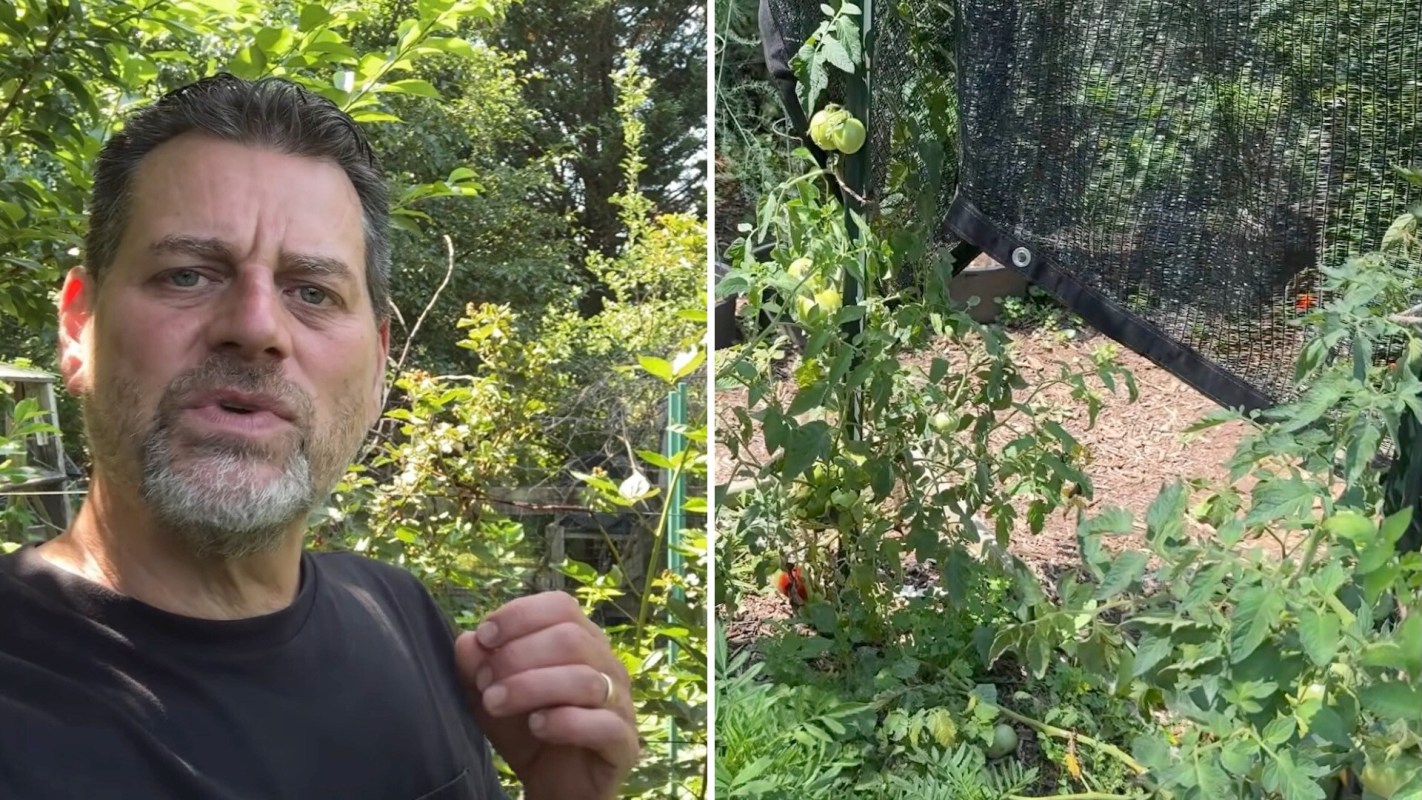
A stretch of 100-degree weather can affect more than the people tending a garden. For summer crops, that kind of heat may trigger a defensive slowdown, cutting growth and shrinking harvests just as many backyard growers expect their plants to produce the most.
What's happening?
With a heat wave underway, Gary Pilarchik of The Rusted Garden YouTube Channel is encouraging gardeners to protect crops like tomatoes, cucumbers, and peppers from the hot weather.
In a recent video for The Rusted Garden, he explained that extended temperatures near 100 degrees Fahrenheit can push plants to prioritize survival over fruit production.
He said the real trouble often begins underground. When intense sun overheats the soil and root zone, plants can become stressed enough to shed blossoms or fruit. As he put it, "sometimes your plants shut down. They kind of go dormant. They may drop flowers. They may drop fruit."
Pilarchik said tomatoes and cucumbers are the crops he worries about most during a seven-day heat wave. Peppers and eggplant usually cope better with higher temperatures, but he said even peppers may need protection when that heat lasts five to seven days or longer.
Gardeners in the comments said the advice lined up with what they were already noticing in their own gardens. One commenter wrote, "Last year was my 2nd year gardening and using shade cloth during heatwaves in NY, zone 7B was a game changer!"
TCD Picks » Quince Spotlight
💡These best-sellers from Quince deliver affordable, sustainable luxury for all




What can I do?
Pilarchik's first tip is to insulate the soil with mulch. He recommends about 1 to 2 inches to keep direct sunlight from overheating the ground, and said grass clippings are especially helpful because they hold moisture and nourish soil life as they decompose.
He also recommends preparing with deep watering. Soak the soil before the heat wave arrives, water deeply again as the hot spell begins, and then monitor moisture every couple of days depending on conditions.
Pilarchik added that gardeners should remove weeds as well so vegetables do not have to compete for water.
He also suggested reducing the intensity of direct sun with shade cloth, typically 50% shade for general use, or using white sheets or burlap if shade cloth is not available. He said the aim is not to block all light, but to lower the heat hitting leaves and roots.
Garden layout can help too, with taller plants or trellised vines positioned to cast shade where it is needed.

Get TCD's free newsletters for easy tips, smart advice, and a chance to earn $5,000 toward home upgrades. To see more stories like this one, change your Google preferences here.






