


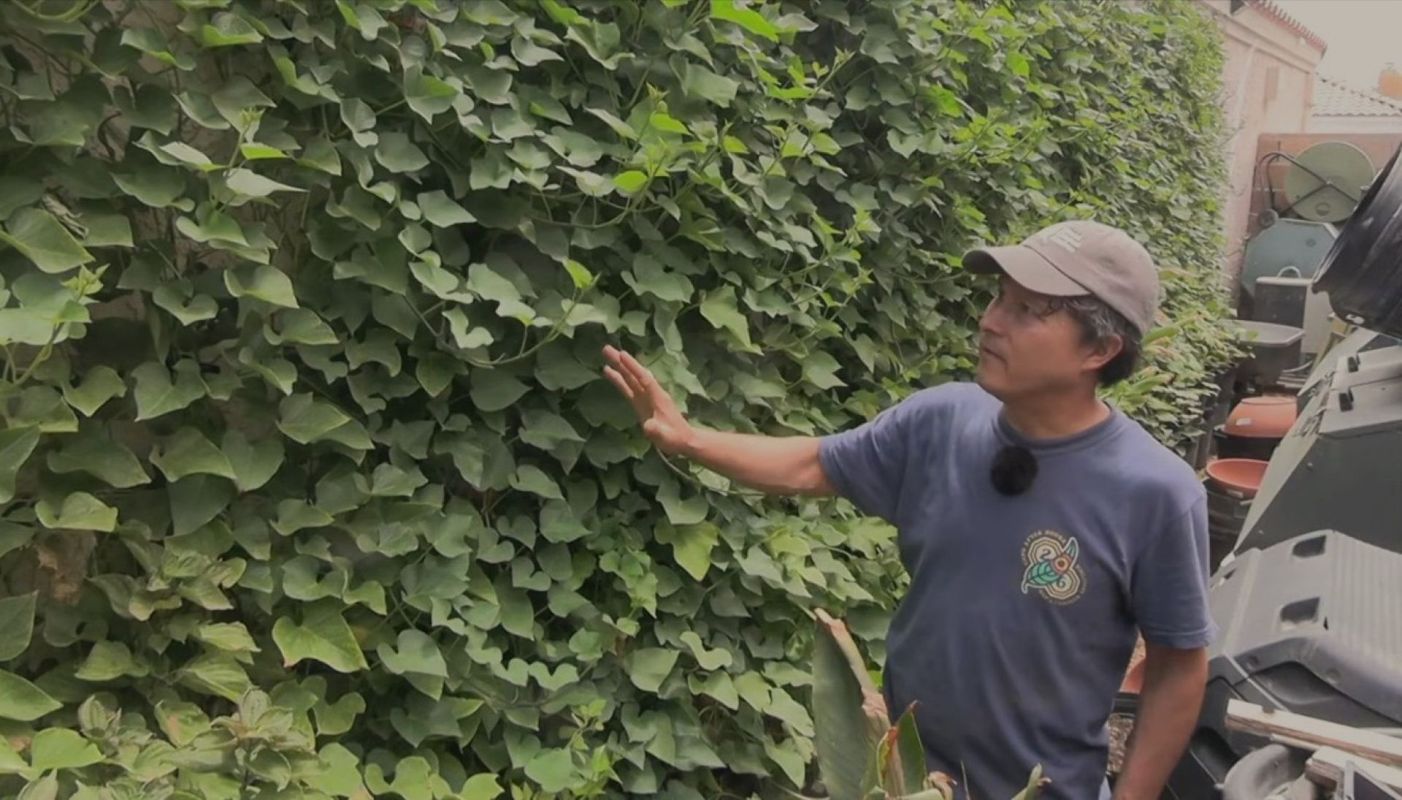
When summer heat sends lettuce bolting and traditional spinach into a slump, it can seem like leafy greens are off the menu until cooler weather returns.
But in a video from Growing Your Greens (@growingyourgreens), John highlighted several leafy crops that can keep producing even when temperatures climb past 100°F.
Here's what to know
The video walks through six greens John recommends for high-summer conditions.
Among those he named were sweet potato leaves, water spinach, wild arugula, baby sun rose, and chaya — though he noted that chaya needs to be cooked properly before it is eaten.
The list speaks most directly to people gardening through desert summers, tropical temperatures, or long heat waves.
Instead of trying to nurse cool-weather greens through punishing conditions, the video focuses on crops built for that kind of heat that can keep the harvest going.
TCD Picks » Quince Spotlight
💡These best-sellers from Quince deliver affordable, sustainable luxury for all




One example is water spinach, which he calls "the 'heat-loving lettuce.'"
In that sense, the roundup targets gardeners whose usual leafy staples stall out in summer.
Leafy greens are often among the more expensive and perishable grocery items. Growing even part of that supply at home can help save money on produce while giving households fresher ingredients that may taste better than store-bought greens harvested days earlier.
More background
In many regions, gardeners are no longer dealing with just a few hot afternoons — they are now planning around extended stretches of triple-digit temperatures.
Advice like this can help people adapt without giving up on food growing altogether. Heat-tolerant crops can keep garden beds productive during the toughest part of summer and help stretch a grocery budget or make use of a yard, patio, or side garden.
There are benefits beyond food, too. Gardening can provide light physical activity, time outdoors, and a mental-health boost that many growers describe as grounding and restorative. When the harvest is edible, that sense of reward becomes even more immediate.
John's list also points to a broader lesson: Matching crops to local conditions is often more effective than trying to force familiar favorites to survive where they are poorly suited.
What can be done?
Hot-weather gardening may also mean broadening the definition of a useful leafy crop. Sweet potato leaves are one example, since the plant can supply edible greens above ground while also forming roots below.
Some of the plants John highlights can serve more than one purpose in the landscape. He labels baby sun rose "the unkillable, edible succulent ground cover," underscoring that a heat-tolerant crop can function as ground cover while still contributing food.
If you're just getting started, growing your own food does not have to mean replacing your whole garden at once. A small trial bed or a few containers with heat-tolerant greens can help you learn what performs best in your climate before scaling up.
Before planting unfamiliar crops, check whether a variety is suitable for your area, and make sure you understand how to prepare it safely, especially with greens such as chaya.

Get TCD's free newsletters for easy tips, smart advice, and a chance to earn $5,000 toward home upgrades. To see more stories like this one, change your Google preferences here.







