


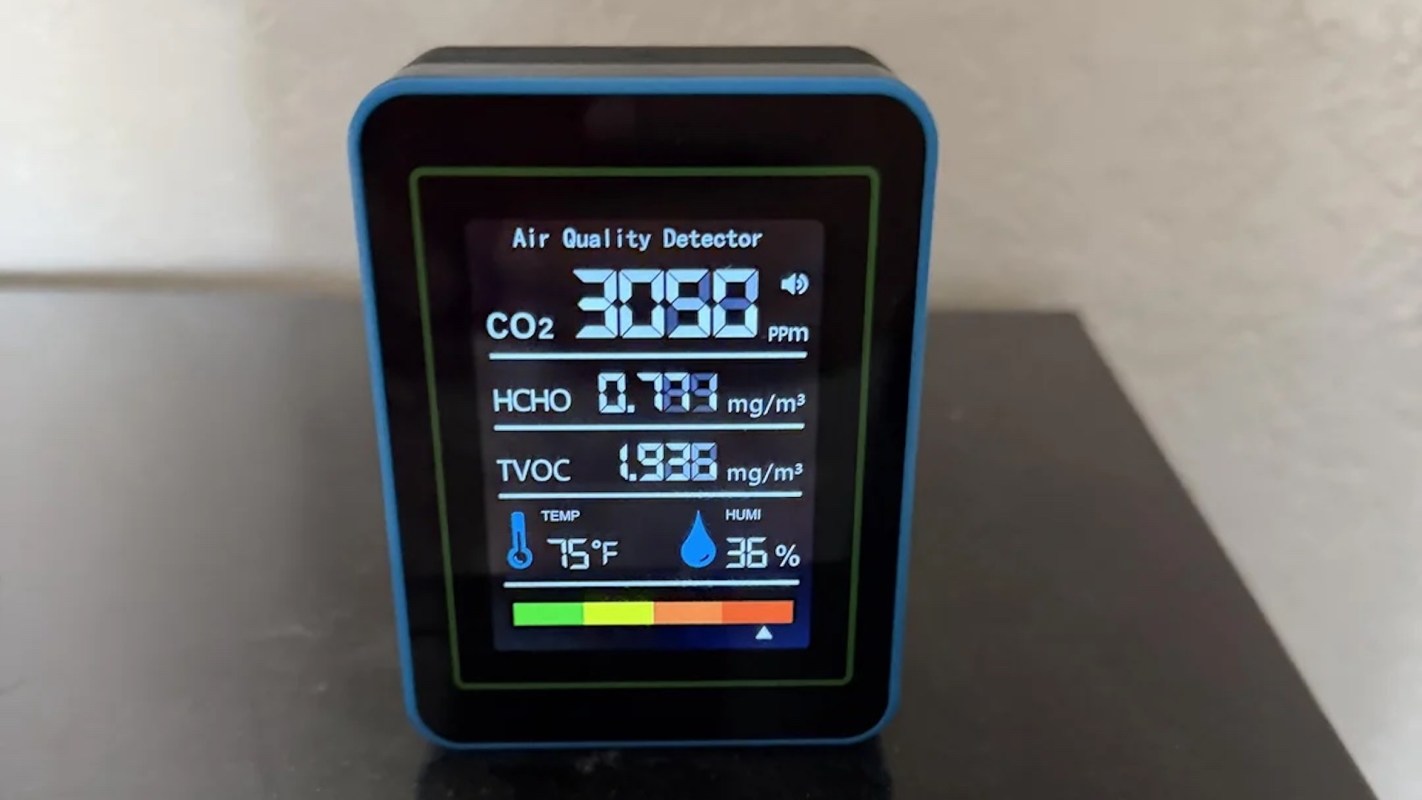
One parent from Las Vegas is drawing attention online after they described a frightening air-quality episode in their daughter's apartment.
After a wall AC unit stopped cooling, it made a "hissing" sound, and the apartment's CO2 monitor eventually climbed above 3,000 parts per million.
Scientists have noted that the American Society of Heating, Refrigerating, and Air-Conditioning Engineers "recommends a maximum indoor CO2 level of 1,000 ppm as a marker of adequate ventilation."
What happened?
On Reddit's r/HVACAdvice community, a parent mentioned that their daughter's apartment first showed CO2 readings above 2,000 ppm and later above 3,000 ppm. They also said the wall AC was not cooling and was eventually found to have two refrigerant leaks.
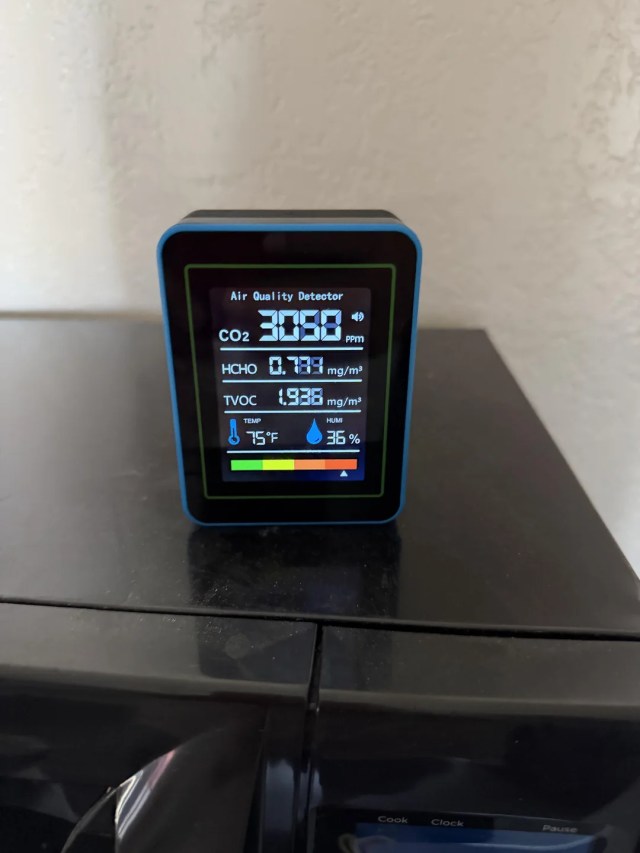
According to the post, the readings dropped again after a repair. The parent said the "hissing" from the unit and the timing of the spike made them doubt the landlord's explanation that the leak was from "allegedly outside the apartment."
The post did not establish that the refrigerant leak itself caused the CO2 increase, but the combination of the broken AC, the unusual noise, and the elevated indoor-air readings alarmed the family.
TCD Picks » Quince Spotlight
💡These best-sellers from Quince deliver affordable, sustainable luxury for all




Yet, many commenters weren't supportive of the parent's experiment or hypothesis, with one writing, "Your AC system doesn't have CO2. And your detector isn't a crazy perfect expensive scientific instrument. It's probably just detecting certain things in the air that it predetermines or registers as CO2. So whatever method that detector uses maybe mistakes refrigerant for CO2."
Why does it matter?
Indoor air problems are easy to underestimate until they begin affecting sleep, concentration, or how safe a space feels. Elevated carbon dioxide levels are often linked to poor ventilation, and high readings can leave people feeling tired, headachy, or foggy.
At the same time, refrigerant leaks bring a separate set of concerns. Even when they do not trigger a consumer air-quality monitor in a straightforward way, they can point to failing equipment, poor maintenance, and a need for prompt professional attention.
Renters specifically are often left to sort through conflicting explanations while continuing to live in the space, while landlords are known to avoid fixing problems at the expense of their tenants.
People should not have to guess whether a strange odor, hissing appliance, or alarming air-quality reading is harmless. Safe housing includes responsive repairs, transparent communication, and a willingness to take indoor-air complaints seriously the first time.

Get TCD's free newsletters for easy tips, smart advice, and a chance to earn $5,000 toward home upgrades. To see more stories like this one, change your Google preferences here.






