


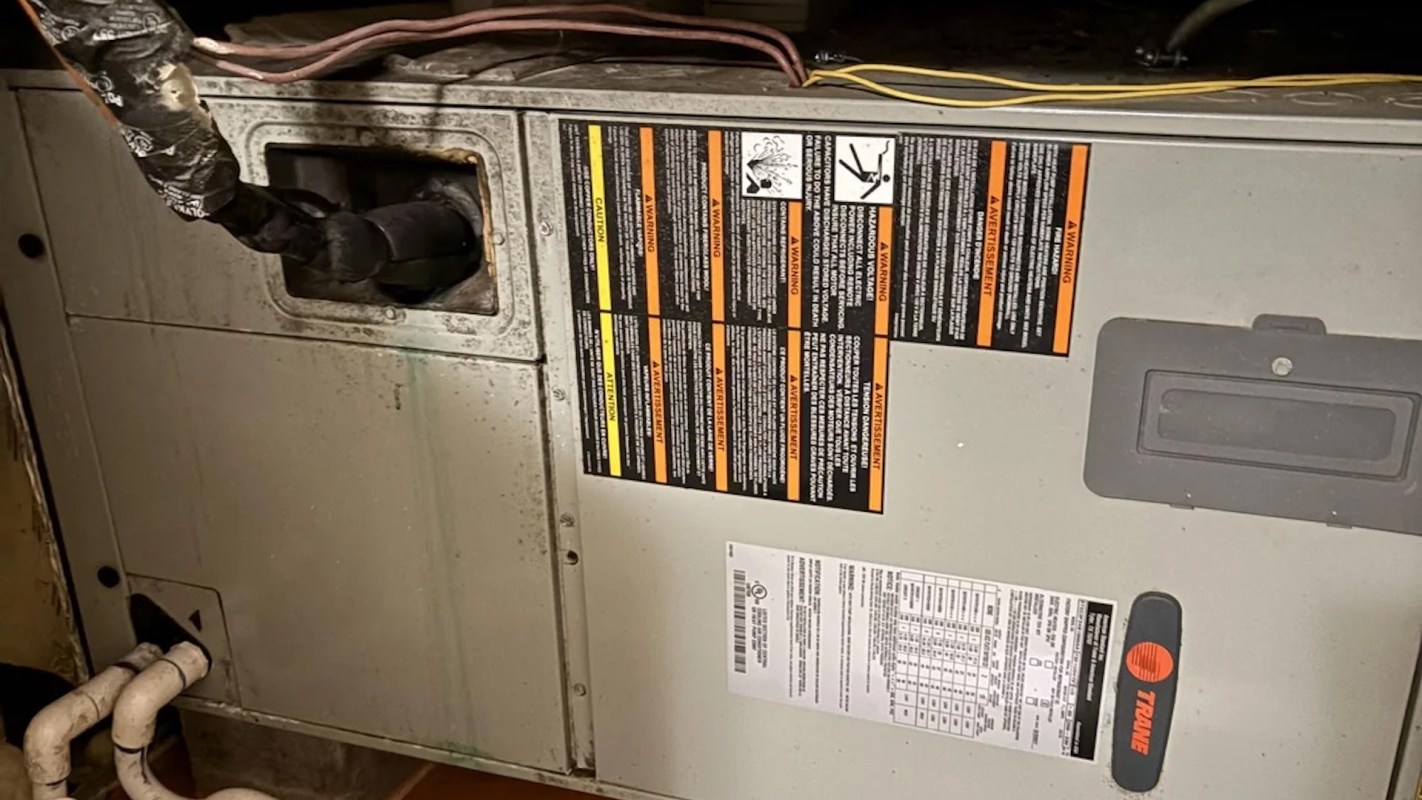
During a heat wave in the Southeast, a renter says an air-conditioning breakdown left the top floor of their townhouse at 94 degrees, despite a message from the landlord's brother saying the issue had been repaired.
The concern went beyond discomfort, the tenant said, because their 1-year-old child was already ill, making the heat a potential health issue.
What happened?
The renter said the family, who sleeps on the third floor, watched the upper part of a four-story rental grow dangerously warm after the upstairs cooling failed.
In the Reddit post, the tenant wrote: "The third floor topped out at 83 and the top floor topped out at 94 — everyone sleeps on the third floor."
Later that night, an HVAC technician inspected the system. The renter said that the same technician had previously recommended replacing the unit before the family moved in and, after looking at it again, reacted with "Oh my god."
The landlord's brother then texted around 10 p.m. to say the AC had been fixed, but the tenant said the family still got only "about 4 hours [of] sleep," and temperatures started rising again the next day.
TCD Picks » Quince Spotlight
💡These best-sellers from Quince deliver affordable, sustainable luxury for all




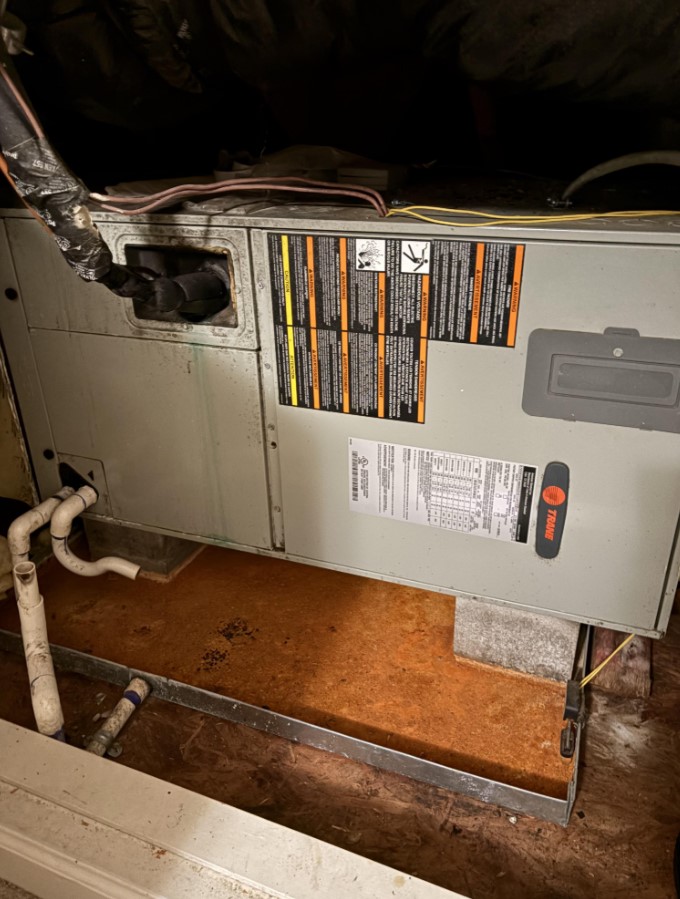
Among the suggestions from commenters was temporary cooling while waiting on a longer-term solution.
One person wrote, "Get your landlord to get you a portable unit for the time being. They're not hard to set up but they can only provide so much air. Which is better than nothing."
Why does it matter?
Extreme indoor heat can be miserable for anyone, but it can be especially dangerous for babies, older adults, and people who are sick.
In this case, the renter said their toddler had adenovirus, making a sweltering bedroom even more concerning.
The situation reflects a common frustration for renters. They often have little control over the systems that shape comfort, safety, and energy costs. When a landlord delays replacing aging equipment, tenants can end up paying for it through lost sleep, stress, and higher utility bills from inefficient cooling.
That lack of control can extend beyond HVAC problems. Renters across the country have also been blocked from practical, money-saving lifestyle changes such as growing food gardens or hanging clotheslines to dry laundry — simple steps that can cut household expenses and reduce energy use.
When tenants can't make common-sense changes and property owners won't make needed upgrades, renters are left more exposed during heat waves and other costly disruptions.
What can I do?
Document everything: indoor temperatures by floor, photos of damage or rust, and every text or email sent to the landlord or property manager. A written record can be important if the issue drags on.
It can also help to ask in writing for a clear repair timeline and temporary cooling options such as a portable AC or window unit.
As one commenter put it, "They've been told to replace it twice it should probably be replaced."
Some commenters also said the renter should clearly mention any added risk to a baby, older adult, or sick person when contacting the landlord and review local tenant-protection rules — including any standards related to indoor temperature and humidity — before escalating.
"Dude, I super appreciate this," the renter replied to one commenter. "I'll be looking into all of these things as soon as I can get the little one down for a nap."

Get TCD's free newsletters for easy tips, smart advice, and a chance to earn $5,000 toward home upgrades. To see more stories like this one, change your Google preferences here.






