


For many homeowners, landscape fabric is often the go-to for preventing unwanted growth in gardens or yards. However, a fifth-generation farmer showed that that is a major no-no in a common use case.
Briana Bosch from Blossom and Branch Farm in the Denver suburbs demonstrates why on the farm's TikTok account (@blossomandbranchfarm).
@blossomandbranchfarm WE HAVE TO TALK. There are two ways to use landscape fabric: many professional growers use it on TOP of the soil as a water and air permeable mulch that gets removed each fall and the soil is amended. This method can actually be helpful for no-till growers who don't use herbicides and have aggressively spreading weeds. The other way folks use it is as a weed suppressor UNDERNEATH mulch—which is a big mistake! what happens is the wood chips on top of the mulch just slowly break down into soil, and weeds grow on top of the fabric anyway! Instead, you can use wood chips in two ways: 1️⃣use a very thick layer to suffocate grass over 6 months to a year, after which you can plant into it (though in my dry climate it can take up to two years!). This is a good way to slowly convert a lawn one section at a time to do native plants, just smother them with wood chips until you're ready to plant! Then plant small plants into the mulch, leaving the wood chips in place to help keep down weeds and hole in moisture 2️⃣ to use the same process, but seed afterward, just layer the woodchips and leave them for about a year until the grass is dead and the ground is softer, then remove the woodchips (you can reuse them elsewhere in the landscape) and use the exposed remaining soil as your seeding surface. Have you ever had to remove landscape fabric from underneath mulch like this in your garden? Tell me your story! #WoodChips #permaculture #LandscapeFabric #RegenerativeGardening #Gardening #KillYourLawn #LawnDestroyers #Garden #Gardening #gardenersworld #gardentok #foryou ♬ original sound - Blossom and Branch Farm
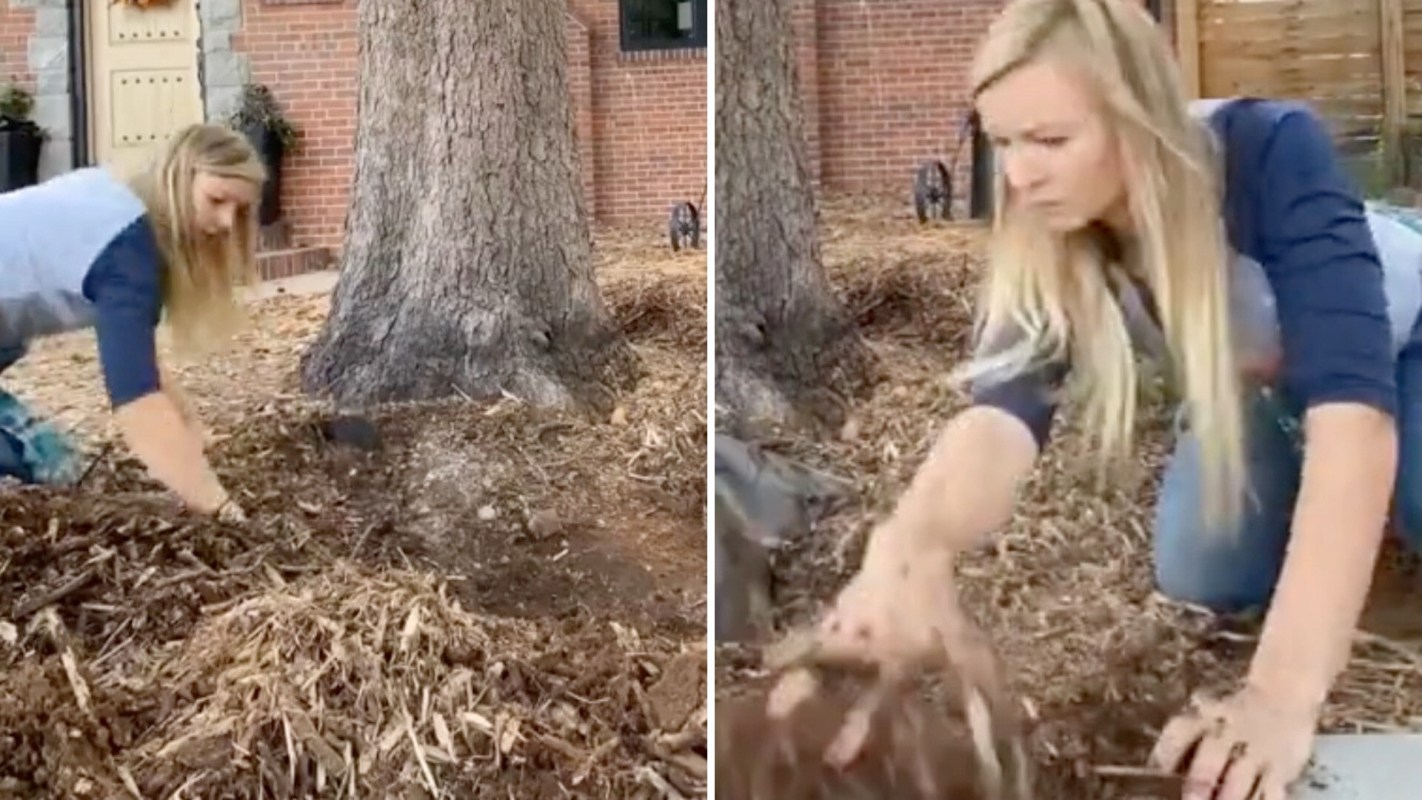
In the video, Bosch demonstrates improper usage of landscape fabric aimed at weed suppression under mulch.
"Folks use it as a weed suppressor UNDERNEATH mulch — which is a big mistake," Bosch notes in the caption. "Wood chips on top of the mulch break down into soil, and weeds grow on top of the fabric anyway!"
The video shows Bosch struggling with one homeowner's mistake in using landscape fabric. The material is ineffective at stopping weeds.
Meanwhile, Bosch has her good sense of balance to thank for saving her from a fall while trying to unearth it. Removing landscape fabric once it intertwines with dirt and debris is a nightmare for many gardeners.
As Bosch notes, it also damages the soil below it, which makes sense when you consider that it can leach microplastics into the soil and interfere with beneficial creatures like earthworms. Improperly used fabric can also harm trees by restricting water, oxygen, and nutrients from reaching the roots.
For those fighting weeds, Bosch recommends using wood chips deliberately to set the stage for planting native plants. Bosch proposes either planting into it after a period of six to 12 months, or waiting even longer for the grass to die to then remove the wood chips and install the native plants.
Installing native plants can save time and money on maintenance and reduce water bills. It'll also be a boon for pollinators while saving you headaches on contending with the hassles of landscaping fabric. Even partial lawn replacements can offer these benefits.
Commenters backed Bosch's anti-landscape fabric stance, and some advocated for cardboard or newspaper instead.
TCD Picks » Quince Spotlight
💡These best-sellers from Quince deliver affordable, sustainable luxury for all




|
What's the most you'd pay per month to put solar panels on your roof if there was no down payment?
Click your choice to see results and speak your mind. |
 $200 or more 💰
 "I'm a landscape contractor and I tell people this all the time it's just a gimmick," a user wrote.
"I have arguments about this stuff with people all the time!" a TikToker revealed. "It's awful! I don't know what the appeal is."
"Those are good because they break down and turn into worm food," a user said of cardboard.

Get TCD's free newsletters for easy tips to save more, waste less, and make smarter choices — and earn up to $5,000 toward clean upgrades in TCD's exclusive Rewards Club.
Cool Picks






