


A Redditor who was doing yardwork worried that they had turned a sprucing-up project into an unwinnable fight.
In the Reddit forum r/invasivespecies, they asked what they had just done.
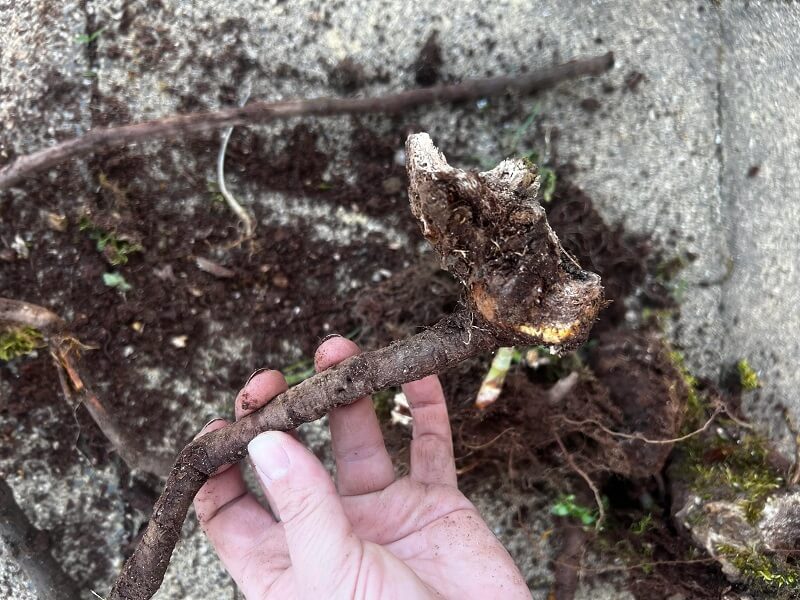
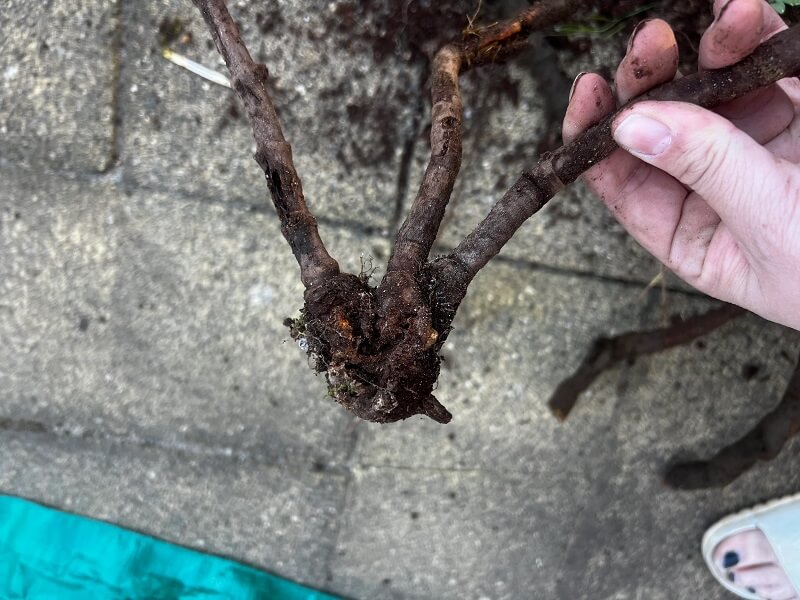
"Did I just screw my self and pull up Japanese knotweed?" the original poster wondered, sharing photos of gnarly roots, seemingly worried that their slicing and dicing may have left behind remnants that could sprout and make things worse.
"I thought it was just a plant I didn't want in my lawn, but I'm terrified that I just pulled JKW and have made a terrible mistake," the OP added.
Redditors assured the poster that they hadn't.
"Just make sure you don't leave any pieces behind," one said. "Then bag it and toss it. It can grow from the tiniest of shreds."
Someone else debunked the Japanese knotweed myth: "Not a mistake. JKW is just a plant, damage and exhaust it enough and it'll die. Its toughness is frustrating but not magic, you didn't encourage it to grow more, you did serious damage."
TCD Picks » Quince Spotlight
💡These best-sellers from Quince deliver affordable, sustainable luxury for all




Such confidence is impressive in the face of the invasive species. Homeowners are constantly in awe of how difficult it is to eliminate, and it can easily wreak havoc on gardens or other sanctuaries.
One user wrote that their chemical-free dig-out procedure was 95% complete in two years; another said it took six years to eradicate their "patch."
As noted, it's essential to completely clear knotweed and dispose of it carefully. The U.S. Department of Agriculture says it was introduced to the country from Asia in the late 1800s, and according to EDDMapS, it has now spread throughout most of the United States.
Planting native species can help keep it at bay, as the Midwest Invasive Plant Network details. These flora have evolved over thousands of years to thrive in their local climate and soil conditions; densely planted, they can ward off invasives.
Native plants also support beneficial insects and pollinators and even reduce your need for fertilizers and irrigation, ensuring a cleaner, more sustainable future.

Join our free newsletter for easy tips to save more, waste less, and help yourself while helping the planet.






