


Forests help with biodiversity, reduce the effects of a warming planet, and fuel our well-being. However, sometimes plants can surprisingly do more harm than good.
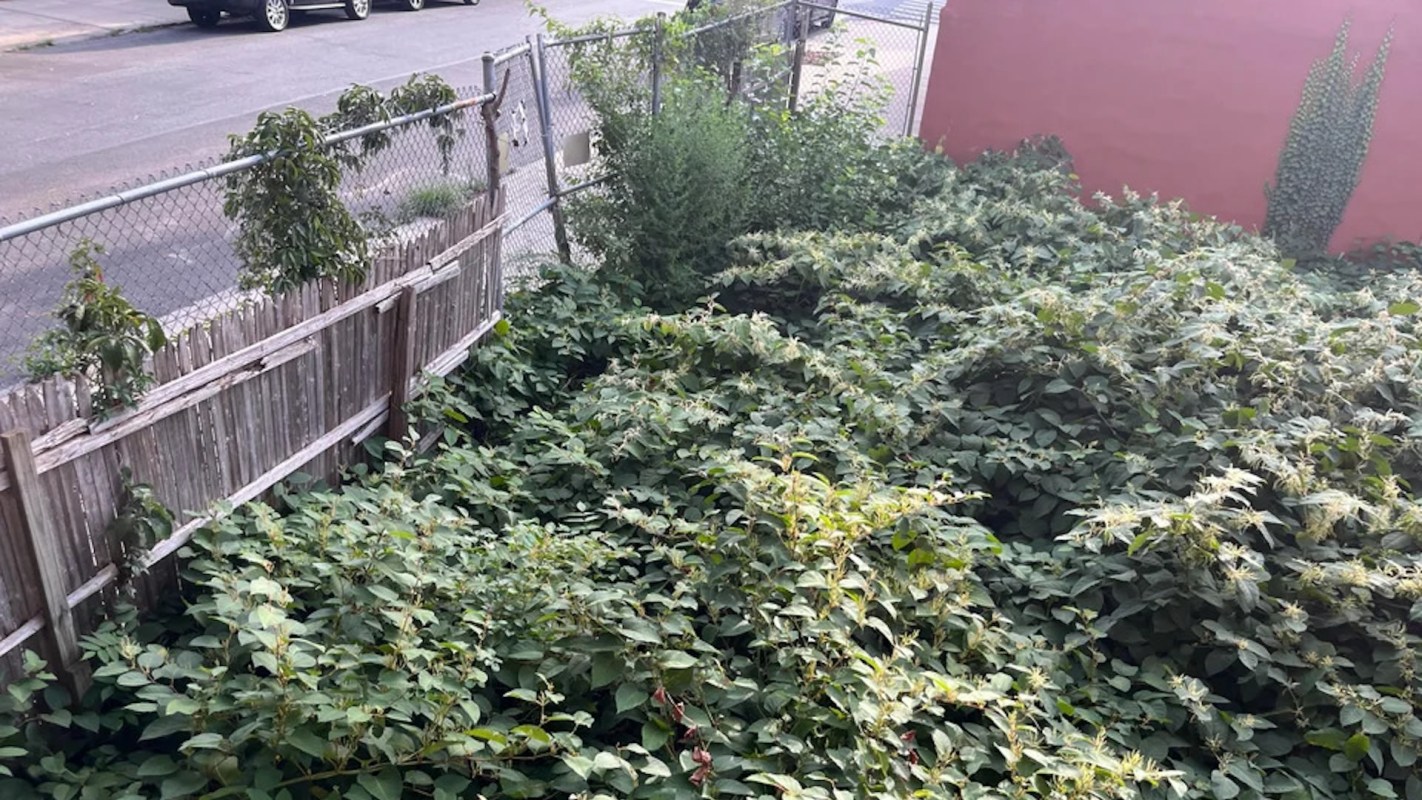
In the subreddit r/HomeImprovement, one Reddit user shared photos of Japanese knotweed seeping over a privately owned empty lot right next to their New York City townhouse.
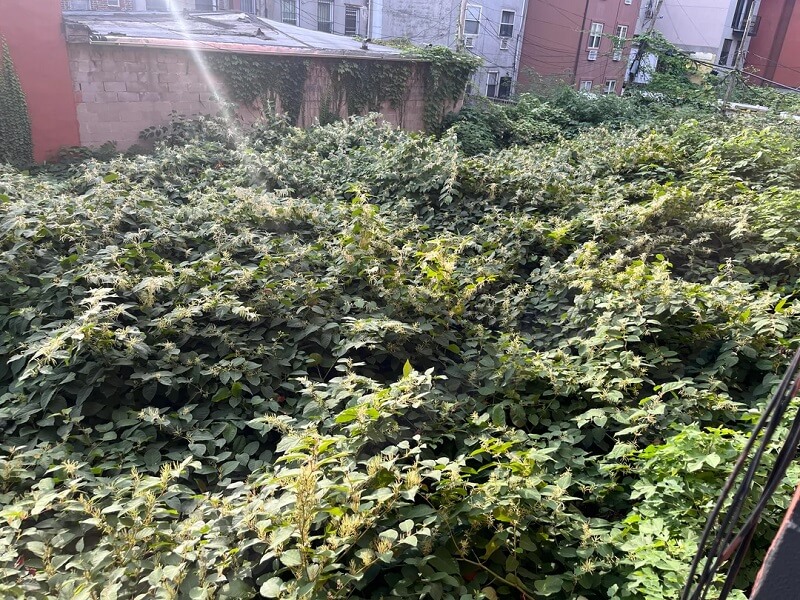
Japanese knotweed, an invasive species, was introduced to the U.S. in the late 1800s. What makes the plant concerning is its ability to grow quickly and create monoculture stands, which can crowd out native plant species.
As the knotweed can endure various weather conditions, it is difficult to get rid of. Its roots grow 20 feet deep, forming an underground system of rhizomes. Ecosystems, foundations, and other parts of buildings can be damaged from its growth, while the soil surrounding it becomes more susceptible to erosion.
"Japanese knotweed is an invasive species and could be threatening our building's foundation," the original poster said. "Is there anything we can do?"
"I had a contractor dump some contaminated fill dirt at my house during construction," one Redditor commiserated. "It's been an absolute nightmare. This stuff is incredibly invasive and incredibly resilient."
According to the National Oceanic and Atmospheric Administration, "An invasive species is an organism that causes ecological or economic harm in a new environment." When placed in a new environment, invasive species may compete for resources and alter the surrounding habitat.
The economics can be overwhelming for property owners, and the costs from invasive species have been estimated to be over $26 billion annually since 2010.
Native plants, those that occur organically in a region without human introduction, are much better for local ecosystems. In addition to requiring less water and maintenance, growing native plants is generally easier on your wallet. A recent study estimated the 20-year cost of maintaining a prairie or wetland as $3,000 per acre compared to $20,000 per acre for non-native turf grasses.
Prioritizing plants that conserve water and support pollinators, including clover and buffalo grass, can cut down on expenses and add property value. Even a partial lawn replacement or xeriscaping can give your home beauty and savings by as much as 12% by one estimate.
TCD Picks » Quince Spotlight
💡These best-sellers from Quince deliver affordable, sustainable luxury for all




Other Redditors gave the OP guidance on the situation, with one user commenting: "State your belief that the property has become a hazard to the neighborhood. … And ask them to maintain it."
Another user added to the idea by saying, "Reach out to your local conservation district and see if they can offer any support."

Join our free newsletter for easy tips to save more, waste less, and help yourself while helping the planet.
Cool Picks






