


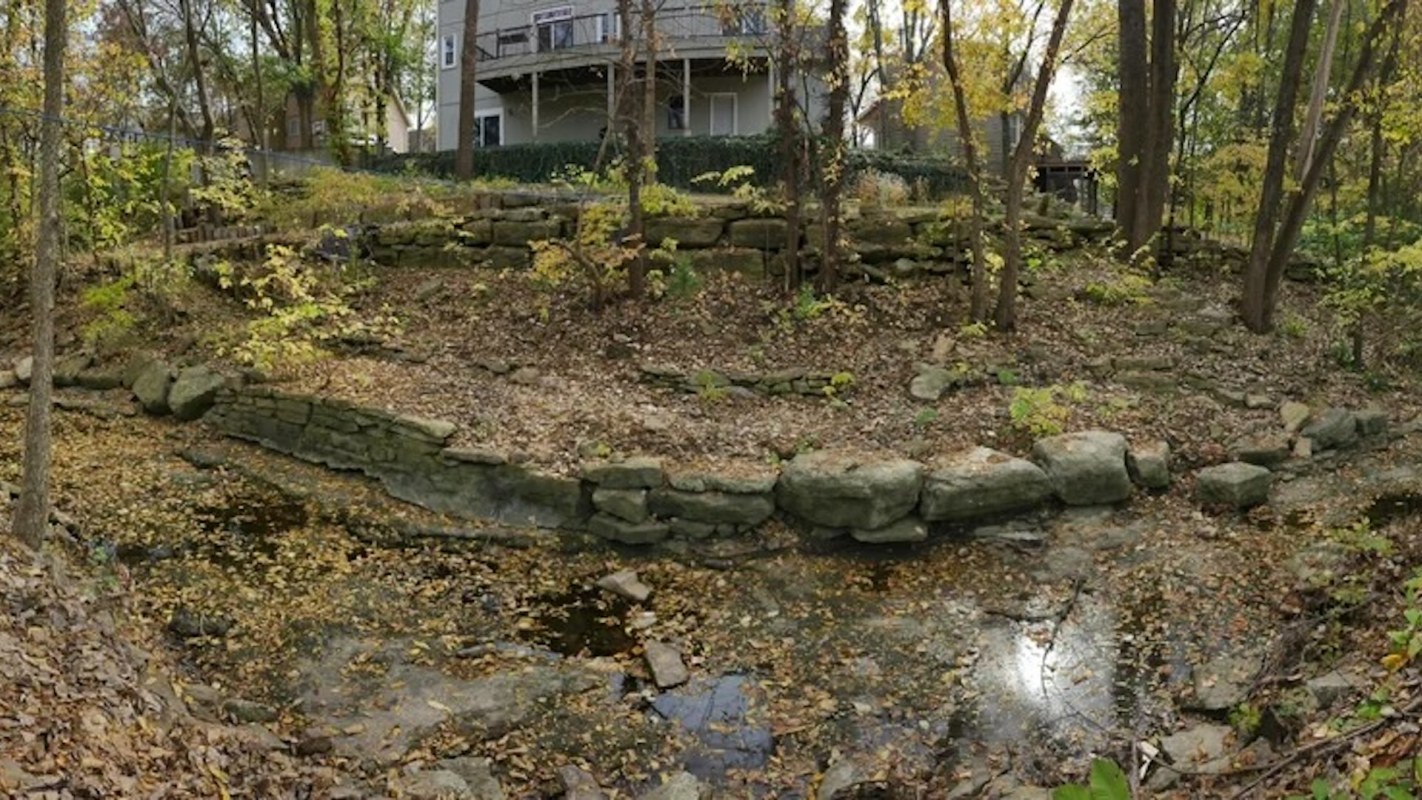
One homeowner recently took to the r/invasivespecies subreddit to share their progress on the multifront war they have been fighting against several species of plants near their house.
"The war is finally (almost) over!! It took me months to make this happen, but I'm so proud & relieved that my backyard is native again!!" the poster wrote.

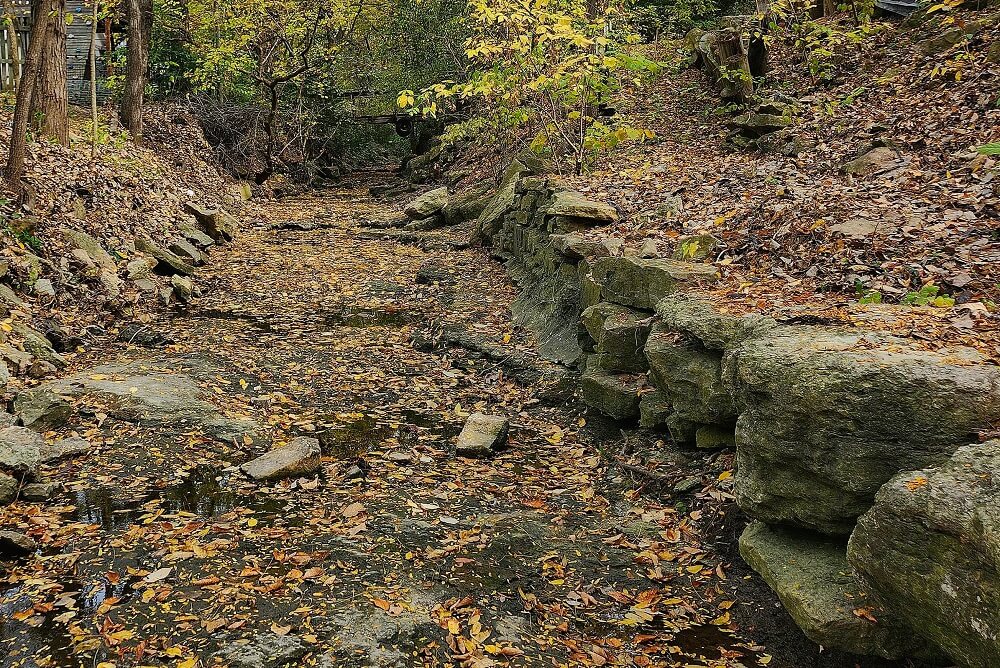
They went on to explain which invasive species they had been dealing with and which native ones they had chosen as replacements, writing, "So, both sides of the creek [were] chock full of bush honeysuckles. Across the creek had a dense mat of periwinkle […] For the last 2+ months, I've been ripping out vinca minor that used to blanket 1 side of the creek bank. I just ripped out the last patch a few days ago […] I then planted some wild strawberry & hairy wood mint. I also scattered some elderberries, hoping they start growing as a replacement."
They also included several before-and-after pics of the area. And while the creek level was lower and the time of year meant a lot less green in the after, it's not too hard to see the subtraction of non-natives opening up room for their native plants to regain a foothold.
As the poster can attest to, removing an invasive species can be a huge amount of work — but it can also be highly rewarding once you've given other native species a chance to thrive. While plants like honeysuckle and periwinkle are not inherently bad, if they are not native to your ecosystem they can crowd out other species, destroying the balance of the ecosystem.
It's always a good idea, before you plant anything in your yard or garden, to do the necessary research to make sure that you're going with a native species. Not all non-native species are invasive, so some can exist where they aren't native without causing major problems, but planting an invasive can make you lose a lot of money, time, and cause a lot of stress in the long run.
The other members of the subreddit were quick to congratulate the original poster on their efforts.
"Well done friend!! I've been taking out the honeysuckle in my yard & it's so fulfilling, especially watching the natives come back. Your photos give [me] hope!" wrote one commenter.
"Awesome! This is especially good because a river can carry seeds down stream. It'll be cool to see if any dormant natives have been lying in wait now that the invasives are gone," wrote another.
🗣️ If you were to switch from a grass lawn to a more natural option, which of these factors would be your primary motivation?
🔘 Making it look better 🌱
🔘 Saving money on water and maintenance 💰
🔘 Helping pollinators 🐝
🔘 No way I ever get rid of my lawn 🚫
🗳️ Click your choice to see results and speak your mind

Join our free newsletter for easy tips to save more and waste less, and don't miss this cool list of easy ways to help yourself while helping the planet.
TCD Picks » Quince Spotlight
💡These best-sellers from Quince deliver affordable, sustainable luxury for all




Cool Picks






