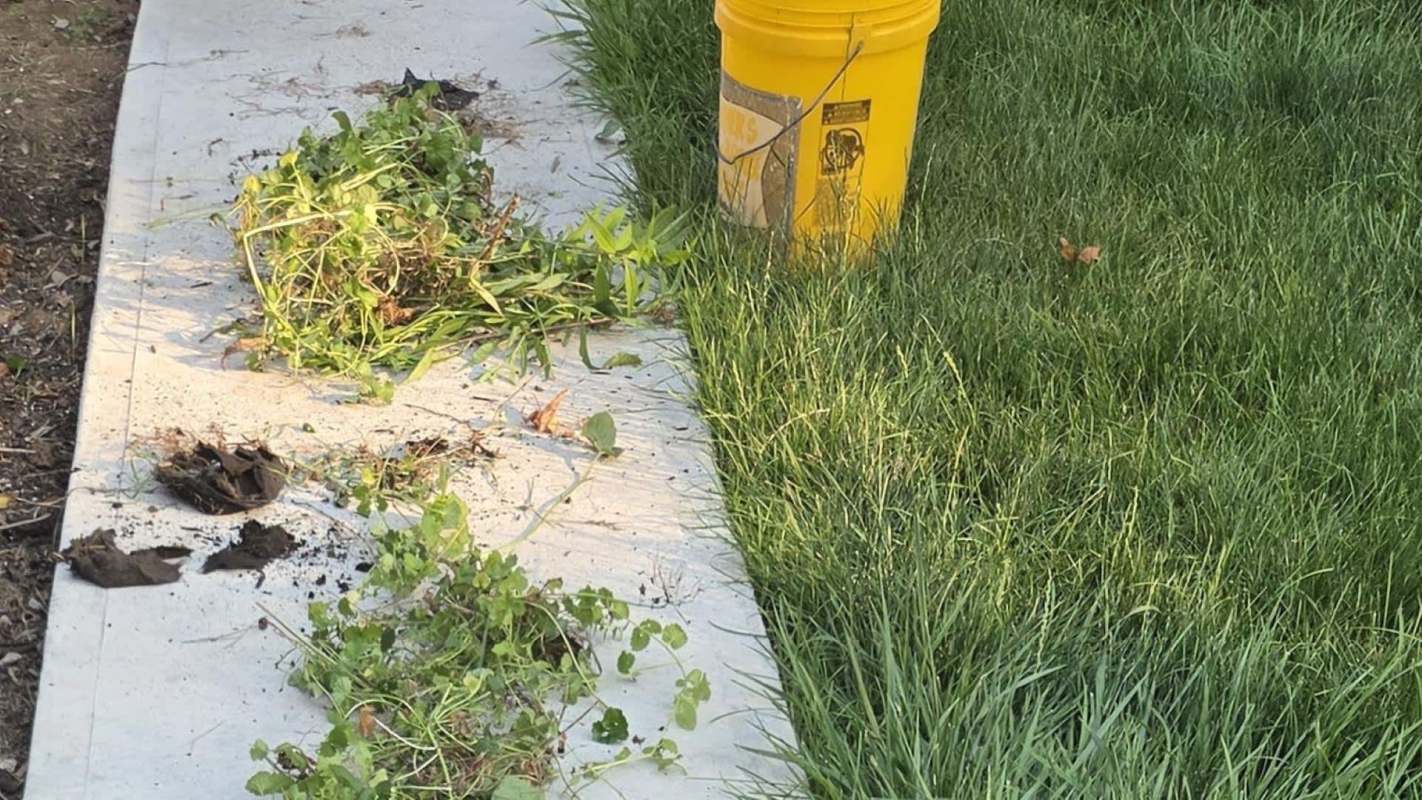
For one gardener on the r/InvasiveSpecies subreddit, a 103-degree Fahrenheit forecast raised an interesting option for disposing of invasive plants.
With a freshly pulled pile drying on a scorching sidewalk, they wanted to know whether material that had started to go "crispy" was truly dead for good.
What happened?
Unable to burn the yard waste, the poster brought the potential solution to the Reddit community. They said they had removed ground ivy, oriental bittersweet, and privet and spread the plants across a backyard sidewalk in triple-digit heat.
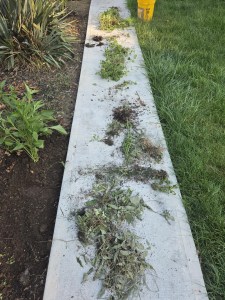
The heatwave seemed like a possible workaround. What the user wanted to know was whether leaving the invasives out would actually prevent them from coming back or spreading.
Replies suggested that strong sun can be useful for drying invasive plant material, with commenters noting that this is more promising when the plants have not yet produced seed. Even so, people did not treat the method as a guaranteed solution.
The caution in the thread centered on how stubborn invasives can be. Seeds may persist, and underground parts such as rhizomes can survive undetected. The advice that surfaced most often was to bag the material, let the sun build up heat, throw it away, and to "never compost."
TCD Picks » Quince Spotlight
💡These best-sellers from Quince deliver affordable, sustainable luxury for all




Why does it matter?
Invasive plants can quickly take over garden beds, fences, and tree lines, forcing people to spend more time and money on cleanup while crowding out the plants they actually want.
A healthy garden can help households save money on produce, enjoy fresher and better-tasting food, and reap the mental and physical health benefits that come with spending time outside and staying active.
But invasive species are notoriously difficult to eliminate. If even a small piece survives disposal, the problem can start all over again. Proper removal matters just as much as identification.
Even severe heat is not a guaranteed way to wipe out invasive plant material.
What can I do?
If you are dealing with invasive plants at home, the safest approach is to act before they set seed, keep the debris contained, and leave it out of the compost pile, where it may reroot or continue spreading.
For many gardeners, that means sealing pulled plants in sturdy bags, leaving those bags in direct sun to get even hotter, and then disposing of them if local rules allow. It also helps to clean tools, gloves, and shoes so seeds or root fragments do not hitch a ride to another part of the yard.
Keeping invasives under control can make it easier to start or protect a garden that pays off in better meals and a more enjoyable outdoor space.
Local extension offices or invasive-species programs can help confirm whether a plant needs special disposal. A hot sidewalk may turn invasive plants "crispy," but that alone does not always finish the job.

Get TCD's free newsletters for easy tips, smart advice, and a chance to earn $5,000 toward home upgrades. To see more stories like this one, change your Google preferences here.