Invasive plant species can pose a significant threat to the life of your garden as well as the surrounding ecosystem. They can rapidly outcompete native plants for resources, including nutrients, light, and space.
A gardener recently shared on Instagram what they're doing to combat an invasive plant in their yard.
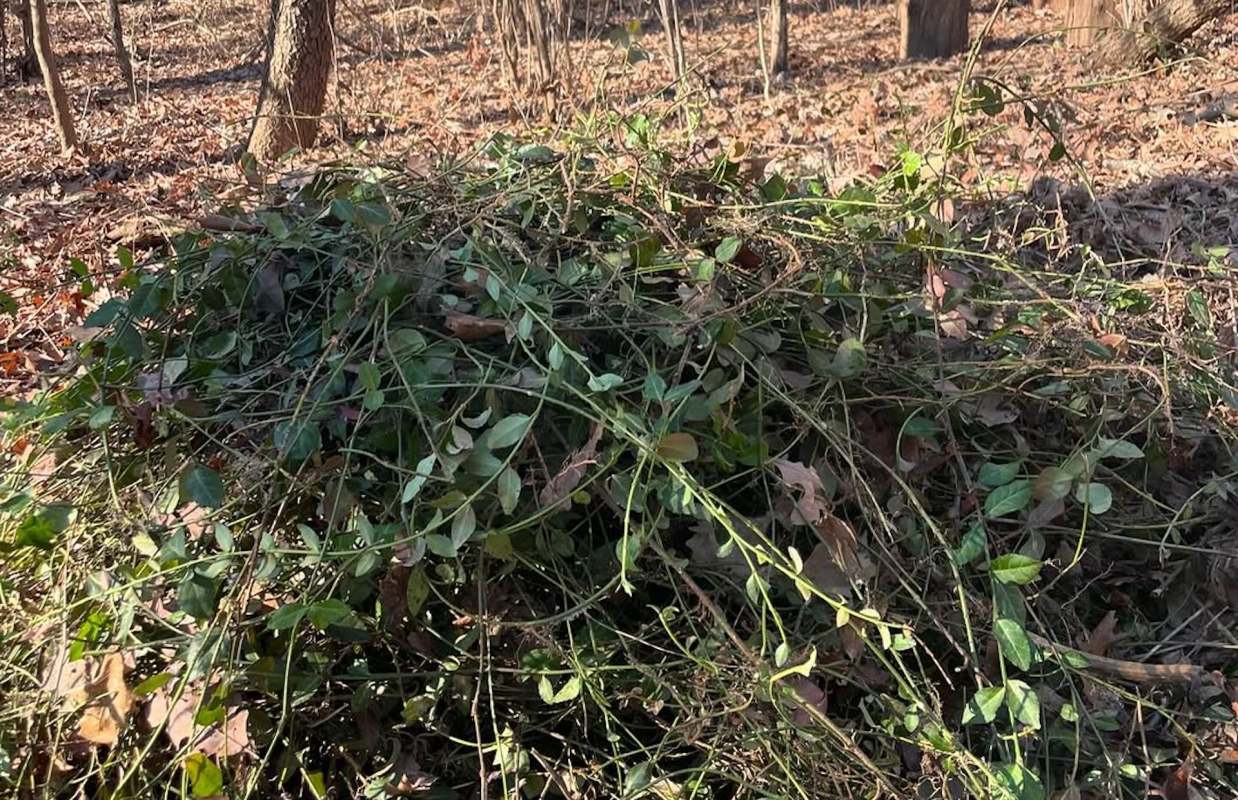
Rachel (@gardenrach) found wintercreeper, a fast-growing shrub or vine, in her yard and has been pulling it from the roots in the winter and letting it decompose in situ — in other words letting the plant break down on its own in its current location.
"Before, I was following the advice to bag and landfill it, which I understand, because you really don't want these things to spread," Rachel explained in her post. "But it was feeling bad to fill up so many plastic bags and have so much green matter going to landfill."
Instead, Rachel made careful piles and kept tabs on them to ensure the plants actually dried out and nothing resprouted from them. "So far, so good! No sprouting," she said.
Wintercreeper is native to Southeast Asia but is considered aggressive in some locations, especially in the central and eastern United States. The Missouri Department of Conservation says the plant can climb rocks and trees: "It tolerates full sun, heavy shade, and most soil moisture conditions, except extremely wet conditions."
Stay hydrated and refreshed this holiday season — without any sugar or harmful additives Nuun’s zero-sugar hydration tablets are a perfect, guilt-free way to enhance your water throughout the day. You’ll get five essential electrolytes for everyday hydration — with zero grams of sugar. Plus, Nuun tablets are certified vegan and gluten-free, and they’re the perfect size to keep in your car, purse, or anywhere you'll want a healthy, restorative drink. Learn more → |

Rachel further detailed that she's "making room for native plants that actively support biodiversity." Native species are inherently adapted to the local climate and soil conditions, making them more resilient and less dependent on watering or fertilizers. This ultimately translates to less maintenance and less money spent on water and other forms of upkeep.
Native plants also play a crucial role in supporting pollinators, like bees and butterflies. Pollinators are essential for the reproduction of many crops that constitute a significant portion of the human diet. By providing habitat and food sources through a native plant garden, gardeners can contribute to a healthier, more biodiverse ecosystem, which in turn safeguards our food supply.
By choosing to remove invasive species thoughtfully and prioritize native plants, gardeners like Rachel are not only protecting their own landscapes but also playing a crucial role in helping the environment — one plant at a time. Want to rewild your yard? Start here.
|
Should we be actively working to kill invasive species? Click your choice to see results and speak your mind. |
 Absolutely 💯
Join our free newsletter for easy tips to save more and waste less, and don't miss this cool list of easy ways to help yourself while helping the planet.
TCD Picks » Upway Spotlight
💡Upway makes it easy to find discounts of up to 60% on premium e-bike brands





Cool Picks