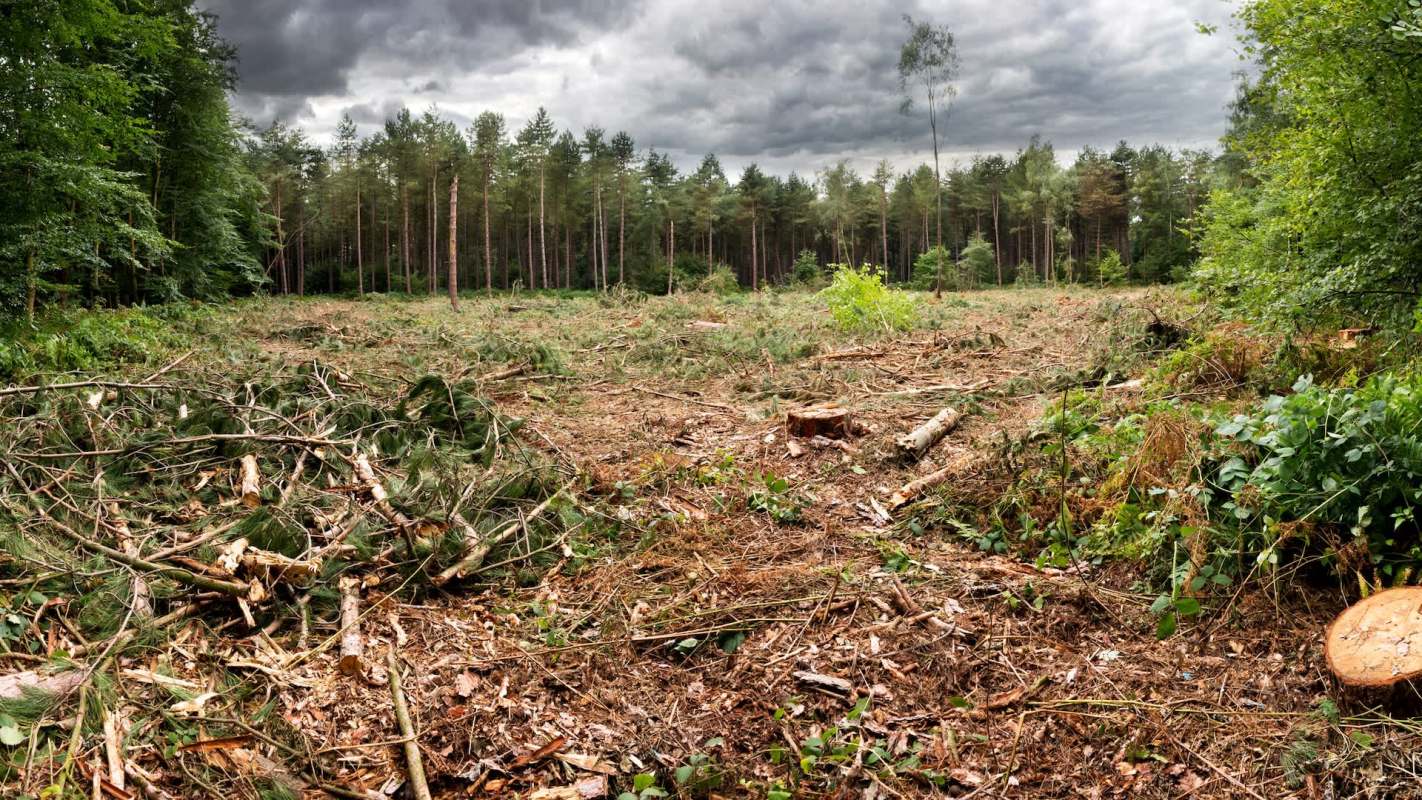
The cleared earth is impossible to ignore. Where dense bushland once linked the Woronora River to Heathcote National Park, aerial images now show piles of felled timber and exposed soil — a gap carved into one of Sydney's last remaining urban wildlife corridors.
According to ABC News AU, a wealthy developer illegally cleared hundreds of trees to make way for a $3 million mansion.
The developer, Amir Abu Abara, accepted responsibility for bulldozing an estimated 600 trees — including 16 protected species — on a 7-hectare property bordering the Woronora River. The site sits within a native wildlife corridor that shelters threatened animals such as the powerful owl.
Instead of facing millions in potential fines, Abara agreed to plant new vegetation and settled with the local council for $70,000 — critics are calling it a "slap on the wrist."
Images of the site show massive piles of felled trees and scarred bushland. NSW Greens MP Sue Higginson described the outcome as "paltry," warning that it could embolden other developers to ignore planning laws. "That environment has now been destroyed completely; the damage is done," she said, per ABC News AU.
Community groups echoed the anger. The Woronora River Community Association called the punishment inadequate and described the mass clearing as "environmental vandalism." The restoration order requires nearly 600 trees and 38,000 shrubs and groundcovers to be planted, but experts note it could take decades before the habitat resembles what was lost.
The fallout goes beyond lost greenery. Reports show sediment from the cleared site has flowed into the river, choking plants downstream and adding to flooding risks. Sydney Water also confirmed that wastewater infrastructure on the property was damaged during construction.
Cases like this highlight growing tension between luxury development and environmental law. Around Australia, stronger conservation policies — such as urban tree protections and biodiversity offsetting programs — aim to prevent this kind of destruction. But when fines don't match the scale of damage, the system favors developers with deep pockets over communities and ecosystems.
The outcome leaves a lasting divide: a mansion rising where hundreds of trees once stood, and a community left to wonder if the laws protecting their environment carry real weight. Even as the site is replanted, the scar across the ridge, along with trust lost in the process, will take decades to heal.
|
Should the government ban gas stoves? Click your choice to see results and speak your mind. |
 Yes 💯
Yes 💯 
Join our free newsletter for easy tips to save more and waste less, and don't miss this cool list of easy ways to help yourself while helping the planet.
Cool Picks