


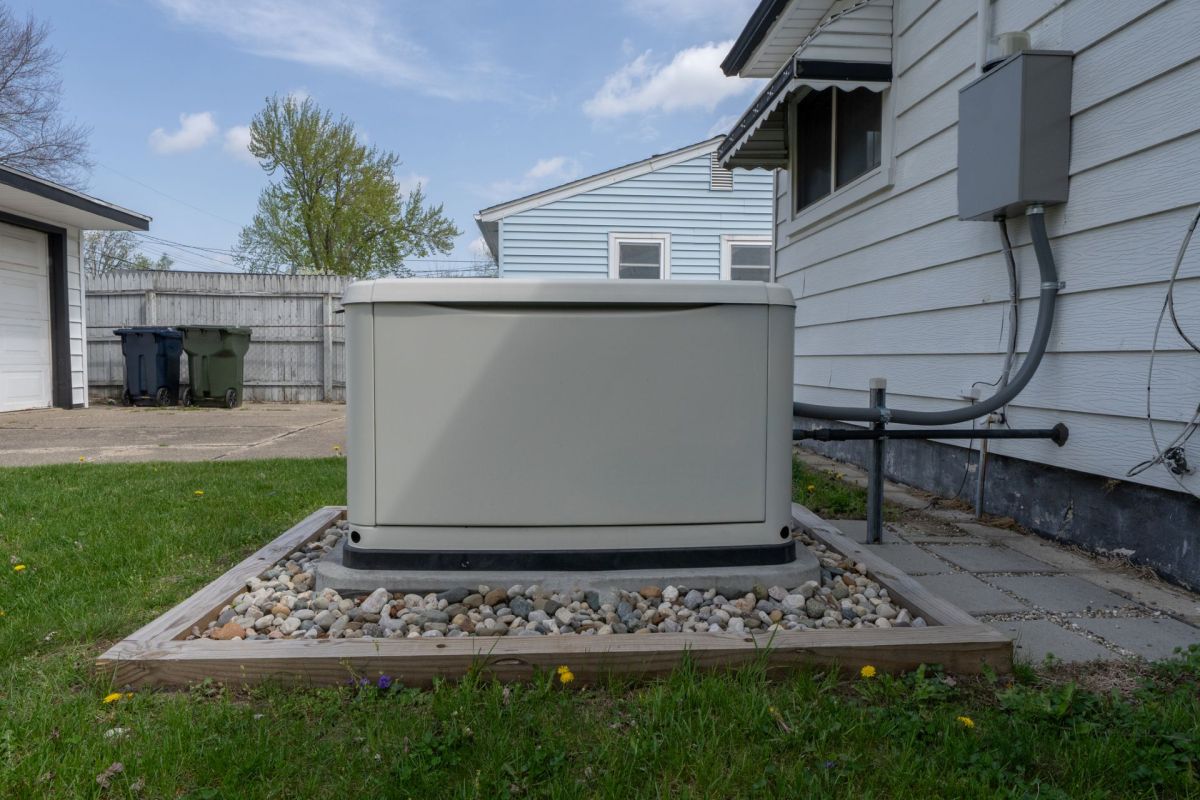
Recent outages are pushing more U.S. homeowners to weigh a bigger question than simply which generator to buy. Increasingly, they're considering whether a gas standby unit is still the smartest backup option, or whether batteries and solar are starting to pull ahead.
What's happening?
In a recent discussion on the r/Generator subreddit, a poster explained their situation.
"We've had a couple of recent power outages in my area that lasted longer than I expected, so I'm starting to seriously look into backup power options," they wrote. "I live in a two-story house in the US with a fridge, a deep freezer, a home office setup, and central AC."
Among the commenters who still preferred generator-based backup, some highlighted liquid-cooled Kohler units as higher-end choices, and 1800 rpm water-cooled units were popular.
Brand criticism showed up, too. One poster who had both Generac and Kohler units said the former requires you to shut down the generator at times during outages or they'll void your warranty. For Kohler, it's not required but recommended
"Run from Generac," another user wrote.
A different group in the thread argued for alternatives to standby generators altogether. One user said a Ford F-150 Lightning could power a 5-ton AC unit and water heater through a 50-amp inlet, while another said a battery setup costing about $5,000 could last a full day and provide "basically zero maintenance, unlike a portable or standby generator."
Going solar is also one of the best ways to save on home energy costs, and homeowners can use EnergySage to get quick solar installation estimates. They can also compare quotes through EnergySage to see whether solar and storage might beat a conventional generator on long-term cost.
Save $10,000 on solar panels without even sharing your phone number Want to go solar but not sure who to trust? EnergySage has your back with free and transparent quotes from fully vetted providers that can help you save as much as $10k on installation. To get started, just answer a few questions about your home — no phone number required. Within a day or two, EnergySage will email you the best local options for your needs, and their expert advisers can help you compare quotes and pick a winner. |

Why does it matter?
For households worried about food spoilage, remote-work interruptions, or losing air conditioning during extreme heat, backup power is no longer a niche consideration. It is increasingly becoming part of broader home-resilience planning.
Traditional generators can provide substantial output, but they also come with fuel requirements, maintenance demands, noise, and, in some cases, warranty restrictions during prolonged outages.
Battery-backed solar systems can keep essential appliances running silently and without on-site fuel combustion. Several commenters said that solar plus storage now has a near-zero payback period and silent operation, making it useful not only during emergencies but also as an everyday energy-saving tool.
A system that can reduce monthly utility bills while also offering outage protection may be easier for families to justify than a generator that largely sits unused until the grid goes down.
More From EnergySage
💡Go deep on the latest news and trends shaping the residential solar landscape

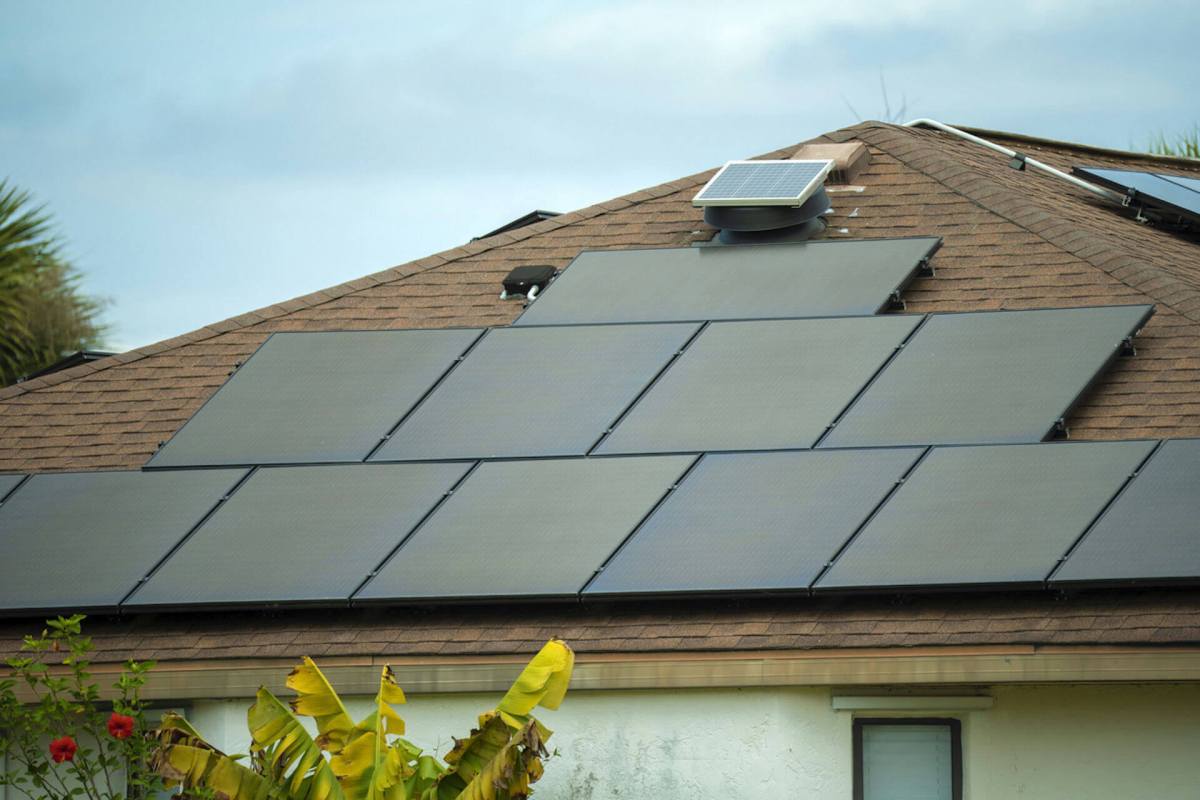
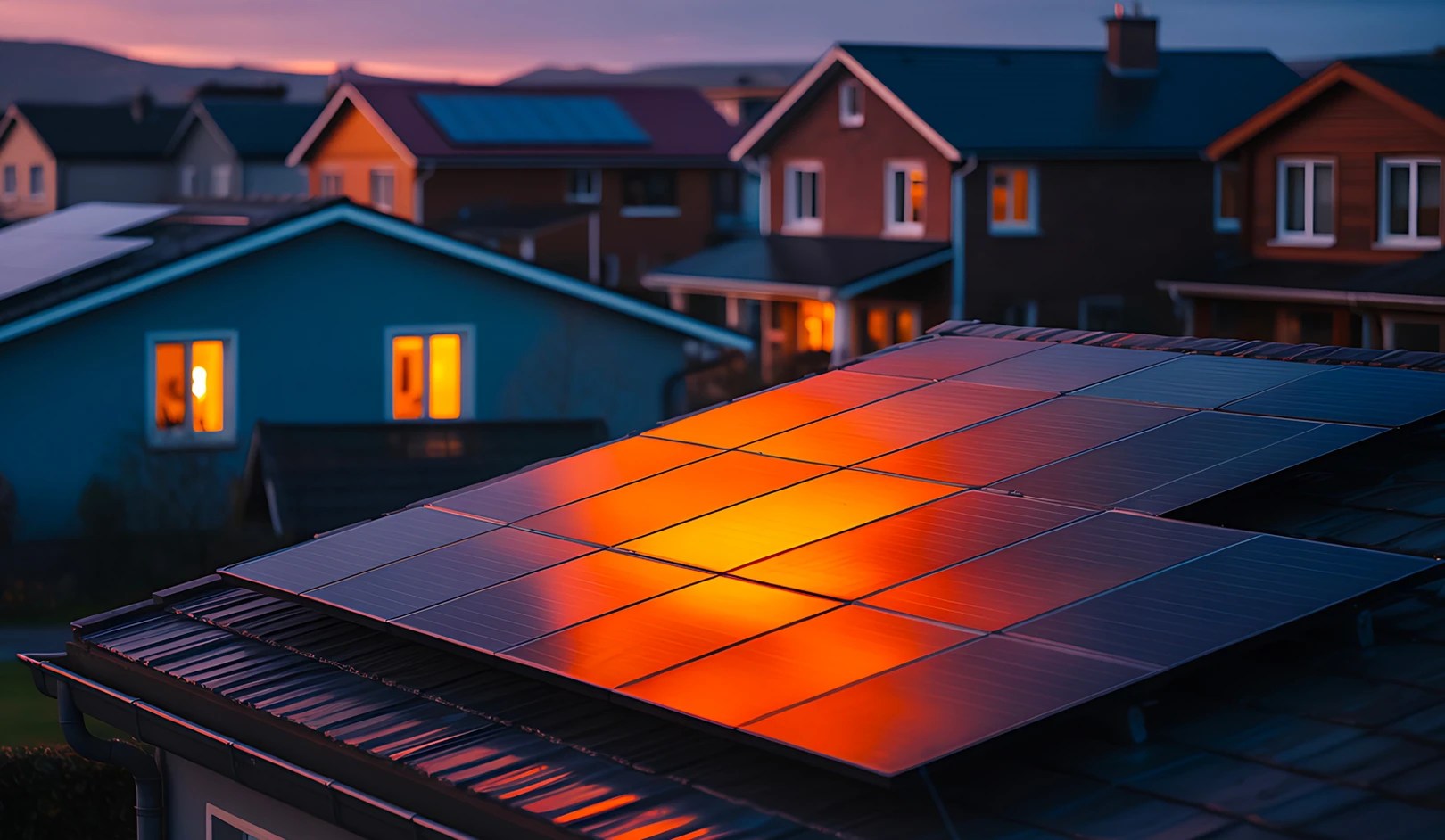

Free tools can also make the cost comparison much easier. With EnergySage's help, the average person can save up to $10,000 on solar purchases and installations.
EnergySage's solar map shows the average cost of a home solar panel system on a state-by-state level, along with details on solar panel incentives for each state. Together, these resources can help readers get the best price for rooftop solar panels and access available incentives.
What can I do?
Identifying what absolutely needs to stay on during an outage can make it easier to choose between a whole-home generator, a smaller battery system, or a solar-plus-storage setup.
Adding battery storage to a solar setup is one of the best ways to protect your home during outages while saving money on energy. It can also help households go off-grid for stretches when the power goes out or prices spike. Readers can explore EnergySage for information about home battery storage options, including competitive installation estimates.

Get TCD's free newsletters for easy tips, smart advice, and a chance to earn $5,000 toward home upgrades. To see more stories like this one, change your Google preferences here.






