


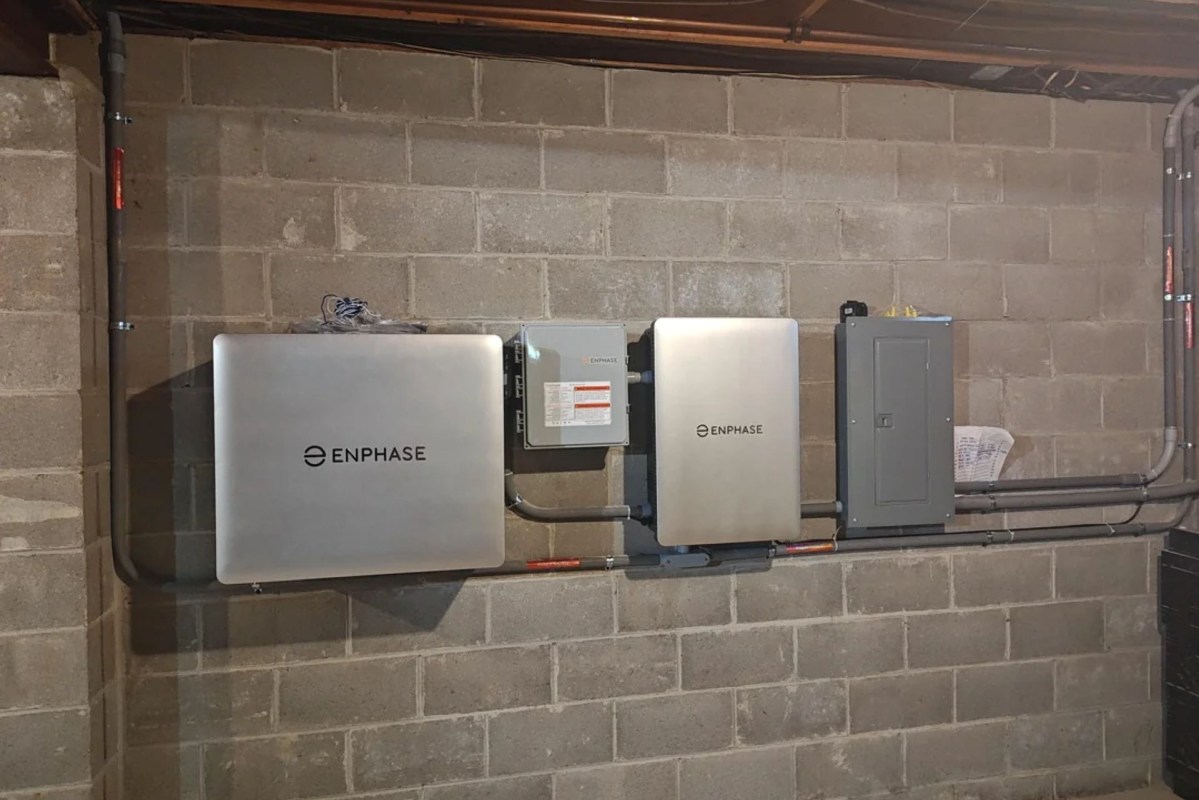
A homeowner is drawing attention online after sharing a solar-and-battery project shaped around outage protection rather than financial return. After three years of planning, the system was designed to keep a private well and refrigerated insulin supplied with power when the grid goes down.
What happened?
On Reddit, the homeowner described building a "resilience-first" Enphase setup after talking with six to eight solar installers. The system includes 23 SEG-440 panels, 23 IQ8HC microinverters, an IQ Battery 10C, an IQ System Controller 6, an essential-loads subpanel, a manual generator interlock, and a whole-house surge protector.
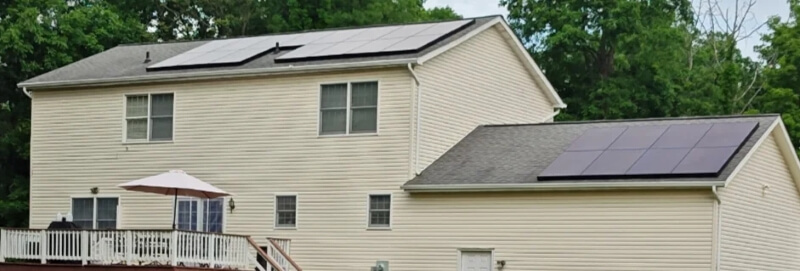
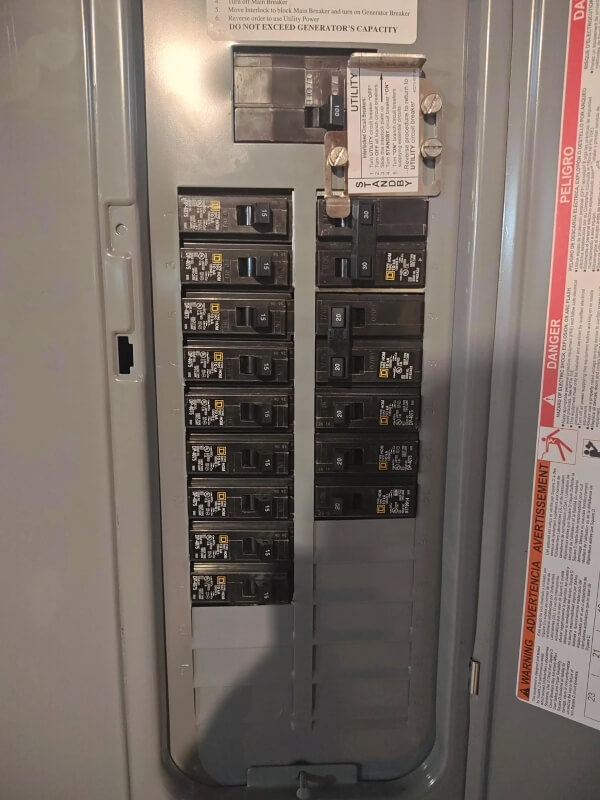
While the array is projected to cover about 107% of the home's yearly electricity demand, the homeowner stressed that "the goal wasn't ROI but resilience." That focus stems from practical needs at home: the household depends on a private well and stores Type 1 diabetes insulin in a refrigerator. The critical-loads panel powers the well pump, refrigerators, lights, and ceiling fans, and the homeowner also wants the option to charge batteries from an electric vehicle or generator later on.
Why does it matter?
Backup power is not just about convenience during a storm. It can mean keeping water running, preserving medication, and maintaining basic safety when the grid fails.
The homeowner later said in the Reddit comments that the project cost $36,500 total and comes to about $244 per month after a state incentive. They also said the system is expected to produce only about $70 a year in net energy savings, underscoring that backup capability was the main priority.
In the same discussion, the homeowner said Enphase appealed in part because microinverters add redundancy, so a single panel failure would not shut down the whole array, and the battery system is built around that same graceful-degradation idea.
TCD Picks » Quince Spotlight
💡These best-sellers from Quince deliver affordable, sustainable luxury for all




For homeowners who are more focused on the savings side of solar, EnergySage offers free tools to compare quotes from local installers and can help households save up to $10,000 in the process.
What are people saying?
Many commenters said the setup made sense precisely because reliability mattered more here than fast payback.
One commenter called it "one of the few setups where resilience over ROI makes total sense," especially with a well pump and refrigerated insulin involved.
"This is really cool! Big thumbs up to you and your installer," another said.

Get TCD's free newsletters for easy tips, smart advice, and a chance to earn $5,000 toward home upgrades. To see more stories like this one, change your Google preferences here.






