


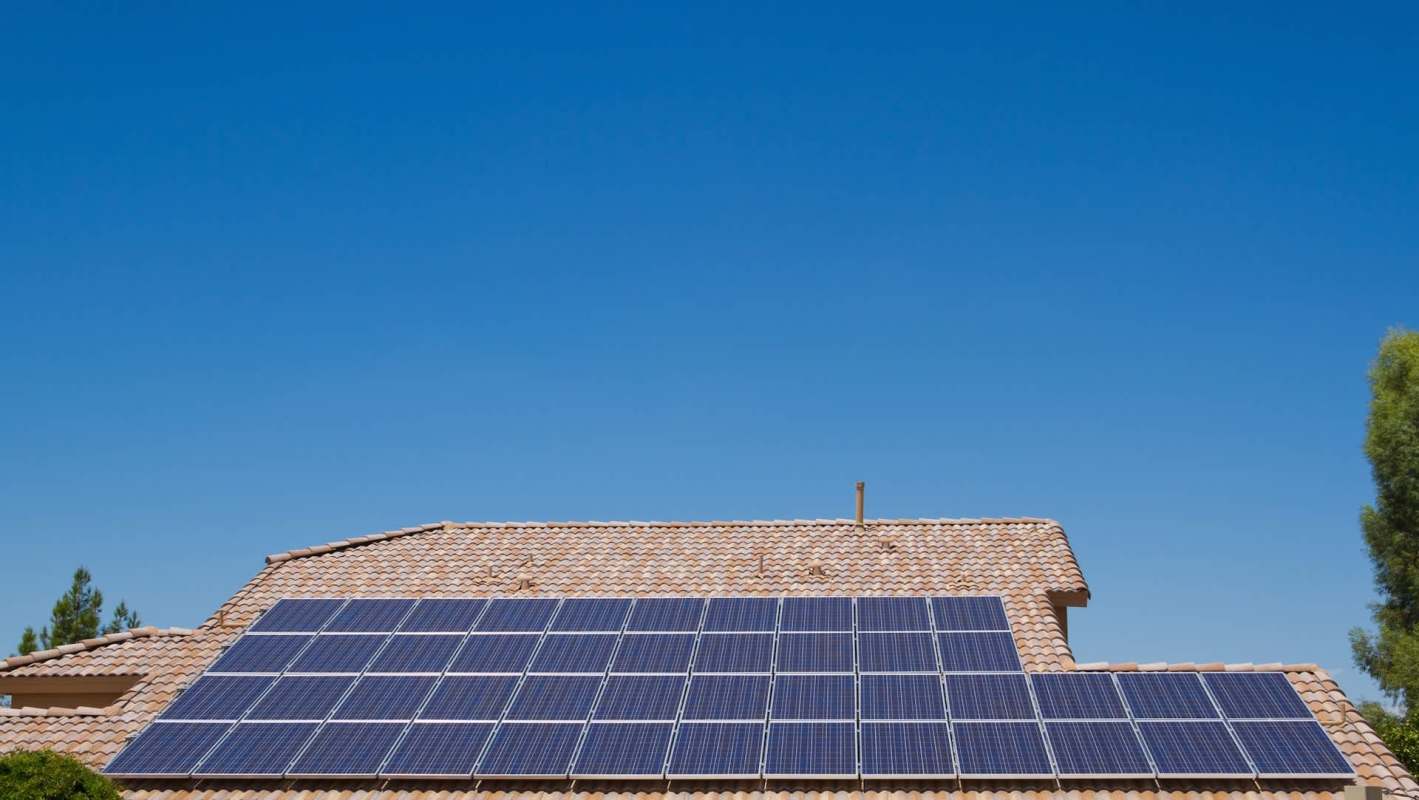
A Scottsdale homeowner described how a $26,000 rooftop system cut punishing summer power bills to essentially zero. If the situation seemed too good to be true, that's because it was, as the angry utility company ended up scoring the upper hand.
What happened?
The homeowner took to the r/solar subreddit and said they had panels installed on their 2,300-square-foot North Scottsdale house by Harmon Solar and paid cash to meet the cutoff for Arizona Public Service's older net-metering rules at 12.9 cents per kilowatt.
"My electric bill went from high to zero," they shared. That probably made a huge dent in the summer, which they referred to as "terrible." Since it was a 20-year term, they were going to be swimming in the money, unless something changed. Unfortunately, APS wasn't pleased.
"But then, years ago, APS complained to the Arizona corporate commission that they were making no money from people like us," the OP revealed.
Sadly, the authorities sided with APS, which got approval for a $20 monthly infrastructure charge. While that wasn't ideal for the OP, solar was still saving them boatloads.
In a comment in the Reddit thread, the homeowner said summer bills had previously reached about $450 to $475 a month, while winter bills still ran above $100.
TCD Picks » Quince Spotlight
💡These best-sellers from Quince deliver affordable, sustainable luxury for all




Even with the added $20 monthly fee, cutting a bill from hundreds of dollars a month to nearly nothing can still amount to substantial savings, particularly in a hot climate where air conditioning drives heavy electricity use.
Why does it matter?
Net-metering rates, fixed charges, and time-of-use pricing can all shape how quickly a solar system pays for itself. Commenters on the thread expressed frustration with the OP's situation.
"I hate the 'we're not making money from solar customers' argument," one remarked. "Why is there an assumption that the electric utility is supposed to make money off of us?"
One person in a similar APS situation wrote that after nine years on a locked-in solar deal, "the real win has been no longer having to deal with time of use nonsense."
Another commenter noted that APS's year-end buyout rate for excess power is far lower than older net-metering credits, while someone else pointed to rising fixed charges at other utilities.
Rooftop solar can deliver real savings and peace of mind, but the rules governing those savings are still changing. Locking in lower energy costs can provide more predictability, if they're allowed to stand, of course.
The change isn't just good for consumers' wallets — it can also be good for the planet. Rooftop solar can also reduce pollution by cutting demand for electricity generated by polluting fuel sources like oil and gas.
What can I do?
If you're interested in rooftop solar, EnergySage can help you install panels with its free tools while saving you up to $10,000 in the process via curating competitive bids from local installers.
While the OP was ready to fork over $26,000, if you're not in that boat, Palmetto's $0-down LightReach solar leasing program is an option that could lower your utility rate by up to 20%.
As the OP's saga showed, it's worth looking into net metering and all the variables to see just how good a deal it will be.

Get TCD's free newsletters for easy tips, smart advice, and a chance to earn $5,000 toward home upgrades. To see more stories like this one, change your Google preferences here.






