


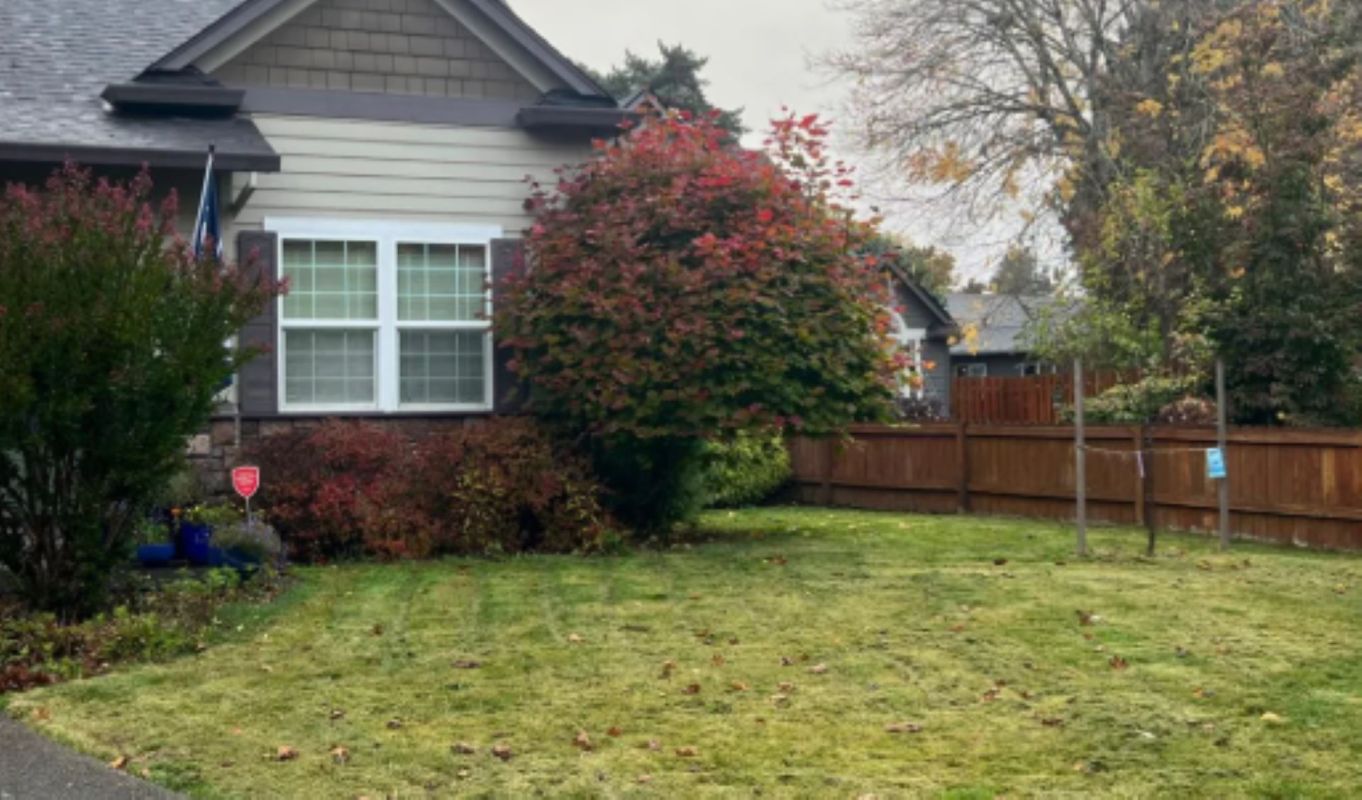
With some incredibly detailed planning, one homeowner replaced their grass lawn with a gorgeous native garden.
In a post shared with the r/NativePlantGardening subreddit, the gardener shared their fully phased plan for how they transformed their yard. "We've been working on a long-term project to convert our front yard to a sustainably landscaped garden with native plants to support pollinators… I thought it might be helpful to see how we've phased the project."
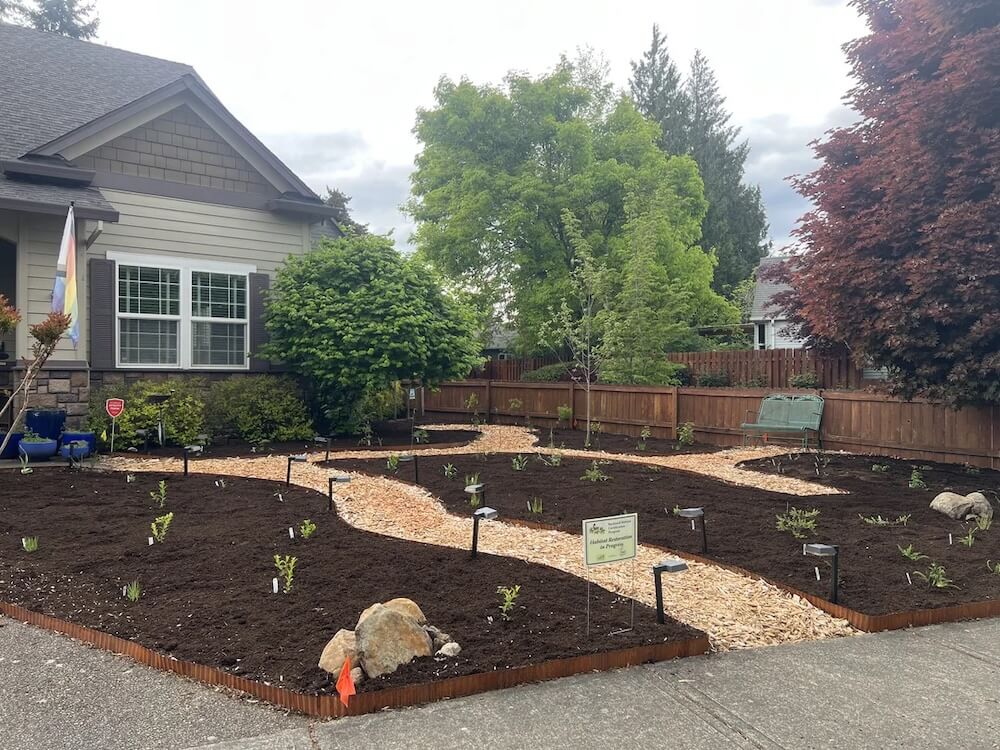
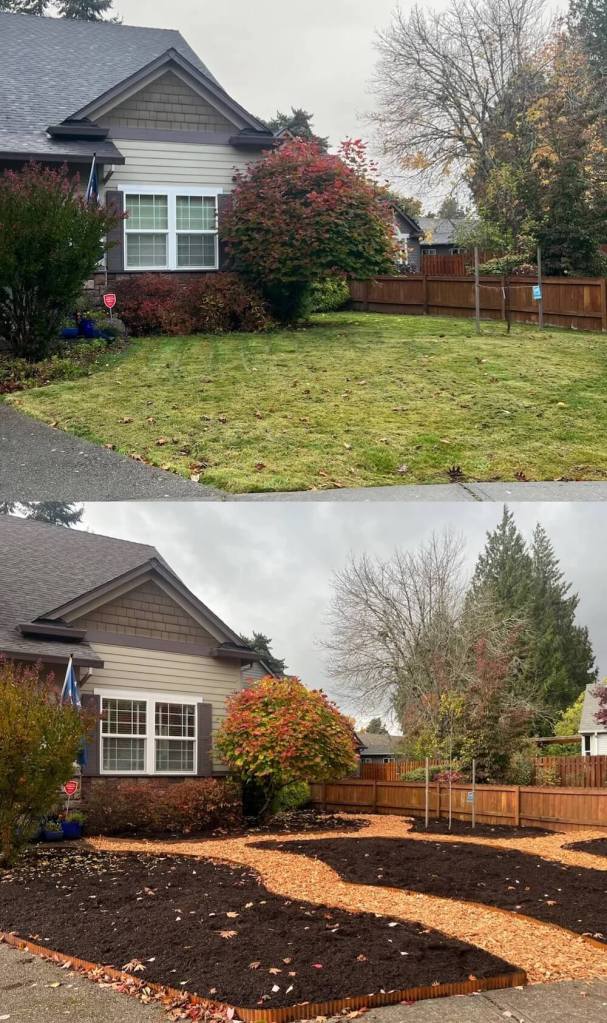
Alongside the phases, timeline, and cost breakdown, the original poster shared a carousel of photos.
In one photo, viewers can see the before photo of the home with a grassy front lawn. In the after photo, the yard features some winding paths and garden beds ready to be planted. In the final few photos, the OP showed some additional fruits of their labor with some trees and young native plants in the ground.
Transforming your lawn doesn't have to be quite as strenuous as this person's plan, but it can be an amazing way to support your local ecosystem and add some color to your yard.
Traditional grass lawns are often a monoculture, meaning they are made of just one species. With so little diversity in your yard, you are unlikely to attract interesting wildlife or help local species.
TCD Picks » Quince Spotlight
💡These best-sellers from Quince deliver affordable, sustainable luxury for all




In their detailed report, the OP planted native plants such as Douglas Aster, Oregon Sunshine, and Western Yarrow. These species are well adapted to their Oregon ecosystem, and so they should thrive with little need for fertilizers or pesticides. By avoiding these costly and toxic products, this gardener is likely to save hundreds of dollars each year.
Additionally, the native plants are a part of the local ecosystem and provide needed food and nectar for pollinators and other local fauna.
Their plants are still small, but in a season or two, this home will likely have visitors such as hummingbirds, bees, and butterflies.
Unsurprisingly, other Redditors were impressed with the OP's efforts.
|
If you were to switch from a grass lawn to a more natural option, which of these factors would be your primary motivation?
Click your choice to see results and speak your mind. |
 Making it look better 🌱
 "This is going to look incredible when it fills out," one supportive person wrote.
Someone else seemed inclined to improve their garden after seeing this post. "Wow! Amazing! I'm slowly adding natives to my yard; this is so inspiring."
Another commenter simply added: "This is beautiful, and it looks so much nicer than lawn."

Join our free newsletter for easy tips to save more and waste less, and don't miss this cool list of easy ways to help yourself while helping the planet.






