


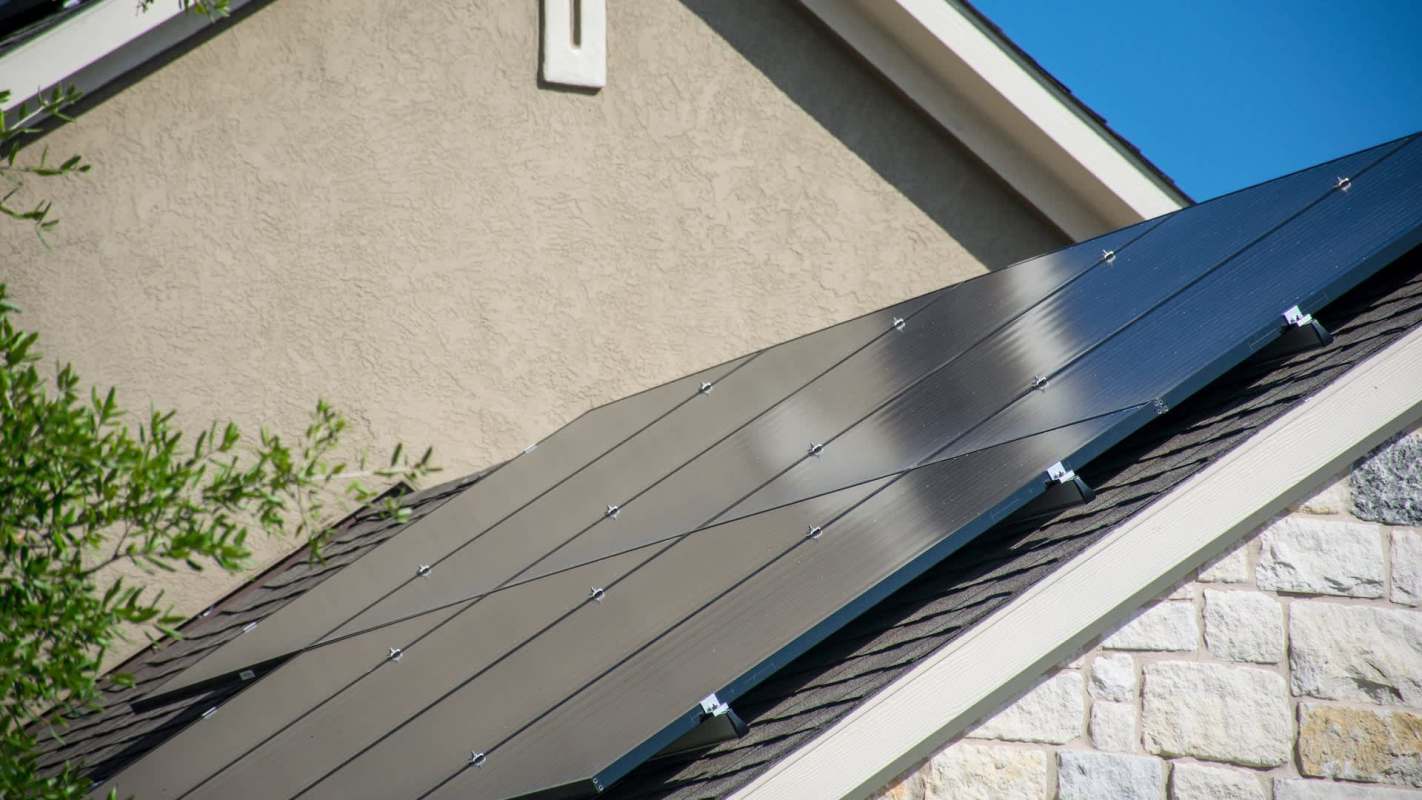
An El Paso, Texas, homeowner says a new rooftop solar fee turned what had been a roughly $30 spring electric bill into a $117 surprise.
The dispute is drawing attention to a broader question: how utility pricing decisions can undercut households that turned to solar to lower their energy costs and reduce pollution.
What happened?
According to El Paso Matters, resident Jon Muir, who installed rooftop solar in 2022, said his latest electric bill was nearly four times higher than he expected because of a new charge from El Paso Electric.
"For years, I've been used to seeing $30 electric bills during the winter and spring because my solar panels offset most of my energy use," Muir said.
According to Sam Silerio, Texas Program Director for Solar United Neighbors, El Paso Electric replaced a previous $30.25 monthly solar fee with a variable "demand charge" tied to a household's highest burst of grid usage each month. That kind of pricing model is more commonly used for large commercial customers than for residential users.
Silerio also told El Paso Matters the for-profit monopoly utility is imposing the charge before completing a cost-benefit analysis of rooftop solar. A Texas law, House Bill 912, is set to take effect Sept. 1 and will require El Paso Electric to do that analysis before changing solar fees or compensation rates.
TCD Picks » Quince Spotlight
💡These best-sellers from Quince deliver affordable, sustainable luxury for all




Why does it matter?
For many households, the question is whether investing in clean energy at home actually saves money or whether utility rules can wipe out those benefits.
Muir said he has already adjusted his habits to reduce electricity use from the grid, including charging his EV overnight during off-peak hours. Even so, he said he feels penalized for doing exactly what energy experts and policymakers often encourage: using efficient technology and generating cleaner power at home.
Silerio said El Paso Electric pays rooftop solar customers less than 2 cents per kilowatt-hour for excess electricity they send back to the grid, then resells that power for about 15 cents per kilowatt-hour. Critics argue that gap, combined with the added fees, makes rooftop solar less affordable and less attractive for families considering it.
The effects could reach beyond individual households. When homes generate and store energy, they can reduce strain on the grid, lessen the need for expensive peak-power plants, and potentially help avoid infrastructure expansions whose costs are often passed on to customers.
What's being done?
Texas lawmakers have already taken one step by passing HB 912, which prevents El Paso Electric from changing solar fees or compensation until a "comprehensive cost-benefit analysis" is completed.
But Silerio said the utility's new demand charge may still slip through because the rate case that created it was filed before the new law passed, and the Public Utility Commission of Texas approved it in February during a broader rate case.
Advocates are urging city leaders to pressure El Paso Electric to commission the analysis anyway and to ensure it is done by a neutral third party, uses established best practices, and allows public comment before the results go to regulators.
"What makes this even more frustrating is that I already invested in rooftop solar and changed my lifestyle around energy efficiency," Muir said.
As Silerio wrote for El Paso Matters, "The sun shines for all of us; stop punishing El Paso for embracing it."

Get TCD's free newsletters for easy tips, smart advice, and a chance to earn $5,000 toward home upgrades. To see more stories like this one, change your Google preferences here.






