


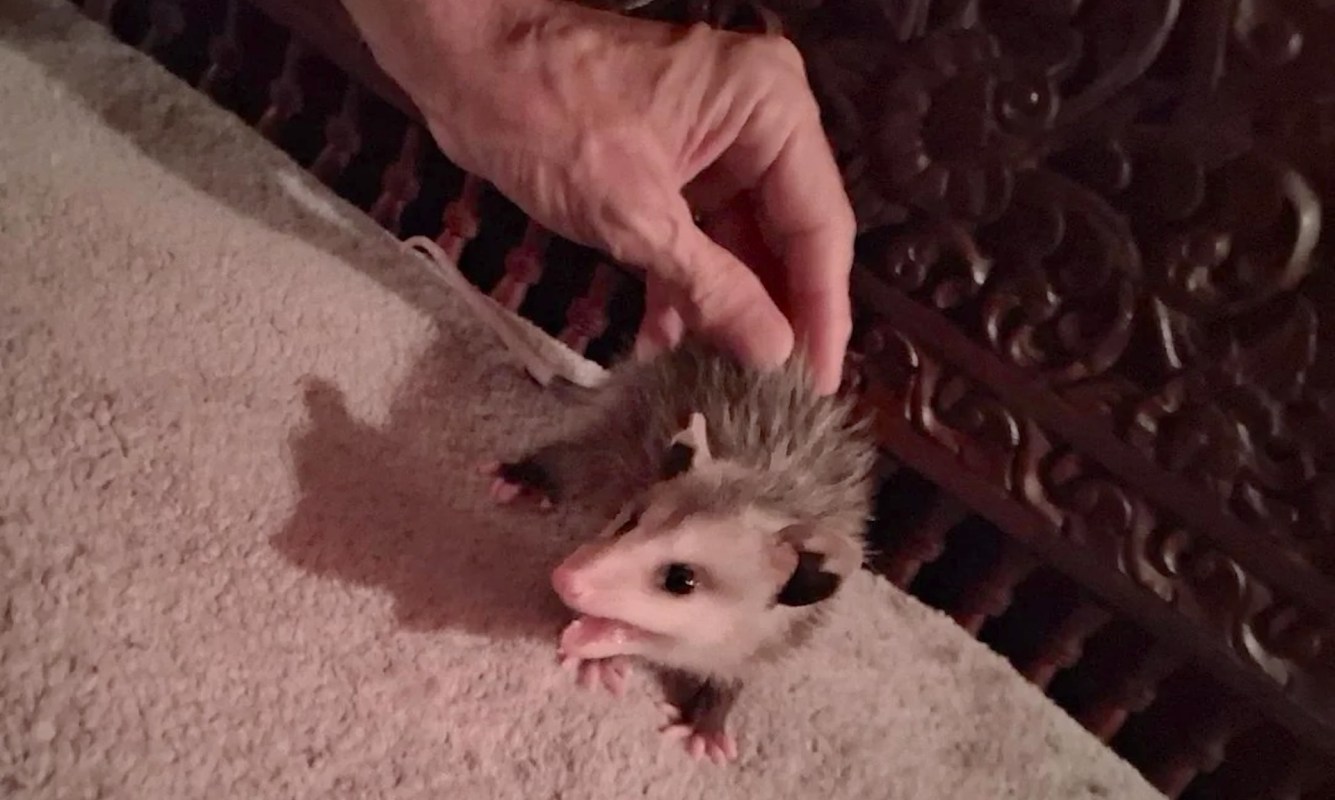
An unexpected houseguest kept one homeowner on alert for days after a baby opossum ended up loose inside the home.
The unusual episode was resolved only when the homeowner finally managed to catch the tiny animal.
Here's what to know
The homeowner wrote in a post on Reddit that the baby opossum had somehow gotten into the house and remained on the loose for several days before being captured.
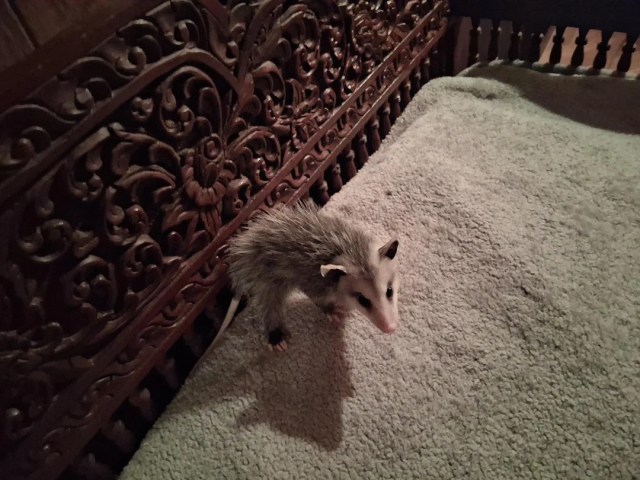
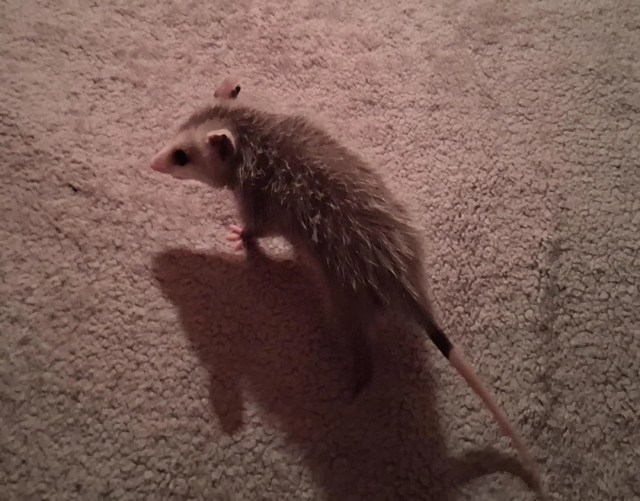
Homes can offer warmth, shelter, and easy access to food, helping explain why unexpected visitors sometimes end up in attics, garages, crawl spaces, or even living areas.
As humans build, pave, and expand into natural areas, wild animals are increasingly pushed into closer contact with people. The risks for the animal can be serious. A baby opossum loose indoors may become dehydrated, injured, trapped behind appliances, or exposed to pets and other household hazards.
More background
Opossums are generally not aggressive and can actually be beneficial neighbors, as they eat insects and other nuisance pests. Still, that does not mean most people want one roaming inside the house for days.
TCD Picks » Quince Spotlight
💡These best-sellers from Quince deliver affordable, sustainable luxury for all




A joey indoors is especially notable because young opossums are more vulnerable than adults. If they become separated from their mothers or lose their way while looking for shelter, they can wind up inside human structures that are difficult to escape. Once indoors, a small animal can be hard to find.
An animal in the house can also raise concerns about sanitation, property damage, and the safety of children or pets.
What can be done?
When a wild animal gets inside, the safest response is usually to stay calm and avoid cornering it. Sudden movements, loud noises, or attempts to grab the animal can make the situation worse for both the animal and the people involved.
Instead, experts generally recommend limiting the animal's access to the rest of the home, keeping pets away, and identifying possible exit routes or entry points. If the animal appears injured, very young, or unable to leave on its own, contacting a local wildlife rehabilitator or animal control professional may be the best next step.
Sealing gaps around foundations, vents, and doors, checking screens, and removing easy food sources can help reduce the chances of a repeat visit.

Get TCD's free newsletters for easy tips, smart advice, and a chance to earn $5,000 toward home upgrades. To see more stories like this one, change your Google preferences here.






