


When you think of damaging invasive plants, blackberries might not be the first to come to mind. For one homesteader, however, they've been a total pain.
"The Himalayan blackberry plants are the bane of my homesteading existence," the Redditor wrote on r/foraging.
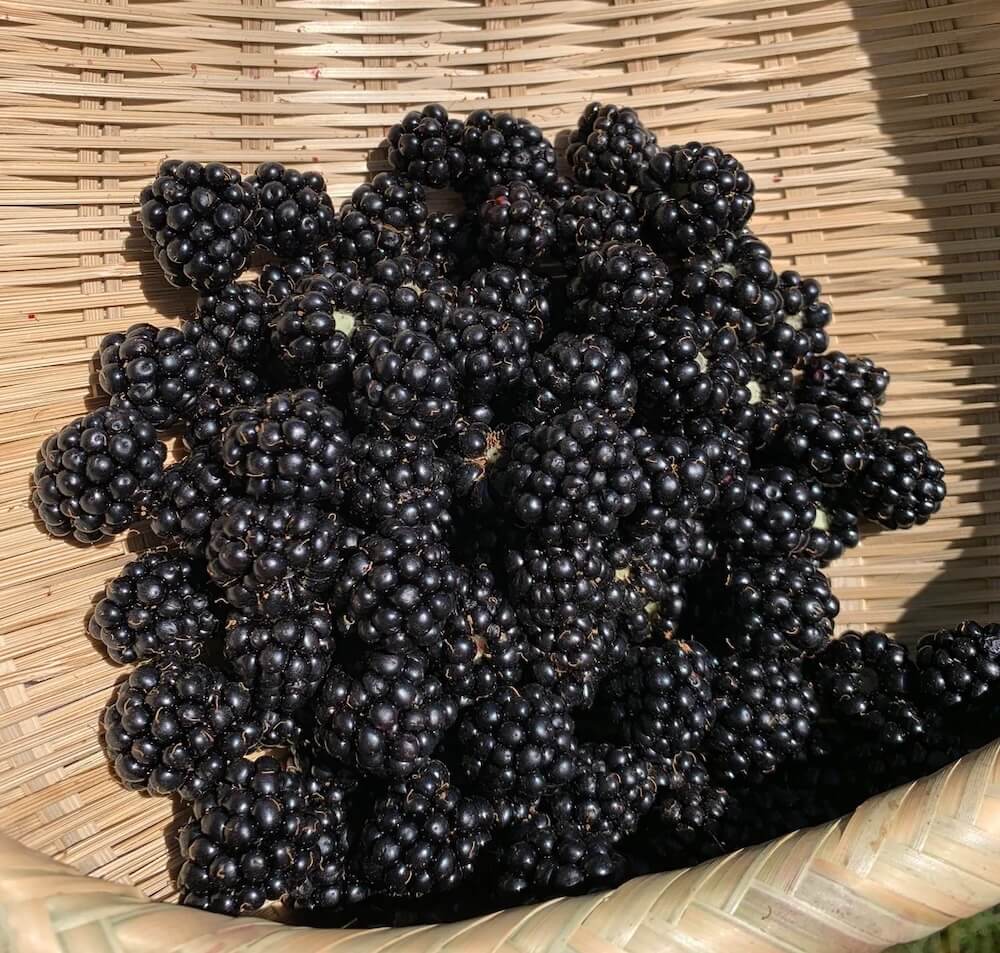

According to the U.S. National Park Service (NPS), the Himalayan blackberry is native to western Europe and was introduced to North America in the late 19th century. The plant spreads rapidly in sunny areas, soaking up nutrients from native plants.
Like the OP suggested, they're hard to eradicate.
The NPS noted that Himalayan blackberry plant root systems are quite extensive, often taking years of continuous effort to remove entirely. Plants can resprout from even tiny pieces of leftover roots.
One commenter can attest to this.
TCD Picks » Quince Spotlight
💡These best-sellers from Quince deliver affordable, sustainable luxury for all




"I am sorry, I spent years fighting them and still have sprouts pop up every single month," they wrote. "They are a nightmare that never truly ends."
Thankfully, this nightmare has a silver lining. The OP baked the blackberries into a delicious pie.
"But at least … I can eat them while I fight them," they wrote in the post's caption.
While Himalayan blackberries require more work to get rid of, eating edible invasives is a rising trend. Social media users in Los Angeles have foraged and eaten invasive radishes, while others have cooked up crispy lionfish tacos, doing their part to eliminate this pest from the Gulf of Mexico. This helps raise awareness for the ecological damage done by invasive species.
|
What's the hardest thing about taking care of your yard? Click your choice to see results and speak your mind. |
 Mowing the lawn 🏡
 If you're struggling with a similar issue as the OP, your best next step is to plant native species. These plants are already accustomed to your region's climate, therefore requiring less water and upkeep than a traditional monoculture lawn, per the National Wildlife Federation. They also support pollinators and other forms of wildlife.
"As devastating as [Himalayan blackberry] plants are to the local ecology, the berries are magnificent," another commenter wrote in response to the OP's post.

Join our free newsletter for easy tips to save more and waste less, and don't miss this cool list of easy ways to help yourself while helping the planet.






