


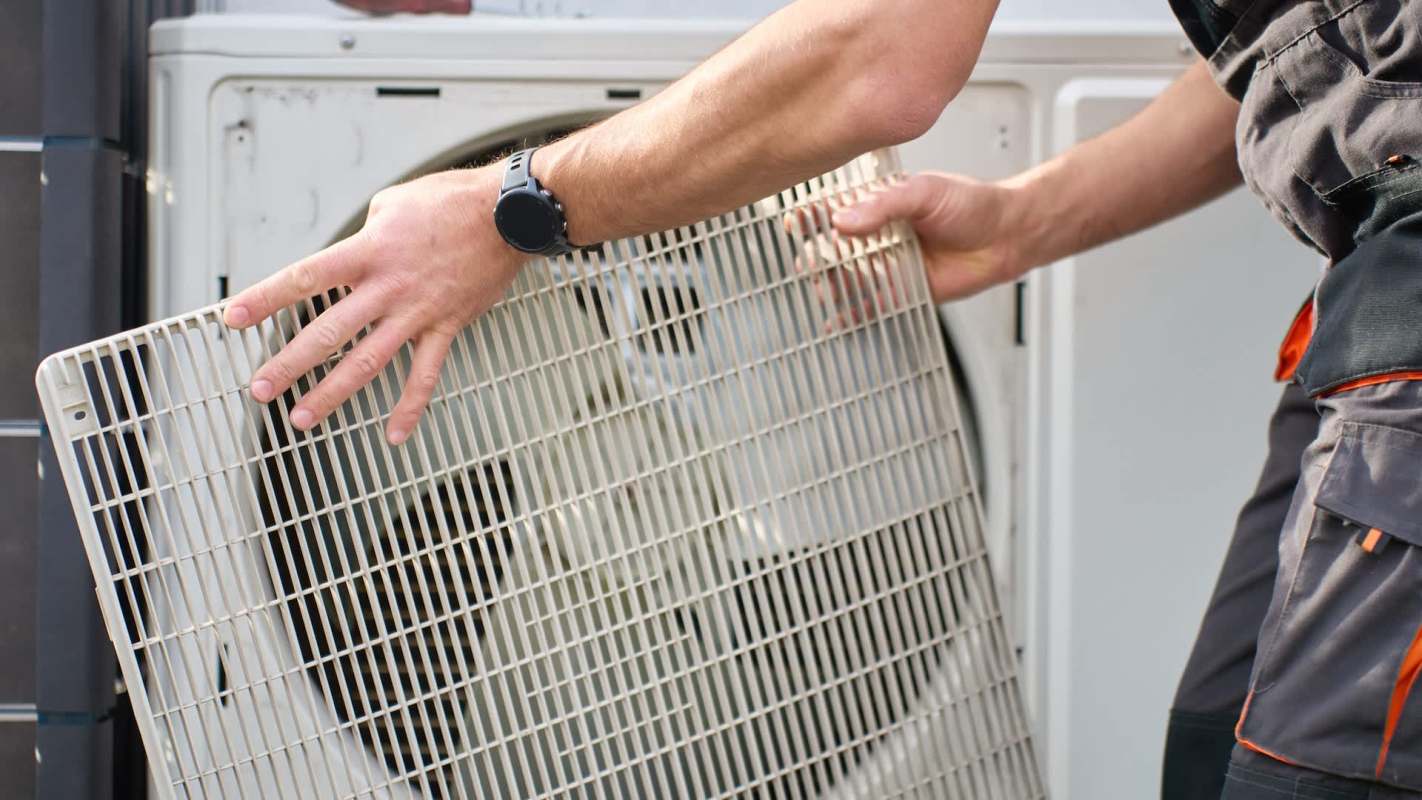
Heating choices in newly built U.S. homes kept shifting in 2024. Heat pumps came within a percentage point of forced-air furnaces in market share, while gas heating dropped to its lowest level in decades.
What's happening?
According to ACHR News, electric heat accounted for 61% of installations in homes completed last year, the highest share on record for new construction. Heat pumps made up 46% of heating systems in those units, trailing forced-air furnaces by just one point at 47%.
Data from the U.S. Census Bureau cited by Building Decarbonization (BDC) show gas-fueled heating systems in 38% of housing units completed in 2024 — their smallest share since 1985, as ACHR News reported.
The drop is especially striking compared with what things looked like 25+ years ago, when gas heating held a 65% share of the market, according to the BDC report. The report also pointed to continued momentum beyond new-home construction.
That trend carried into 2026. The report said heat pump sales in the first quarter were 32% higher than sales of gas and other fossil-fuel furnaces. It also counted about 960,000 heat pumps shipped during that period, compared with roughly 980,000 air-conditioning units. From 2010 to 2025, annual heat pump shipments rose from 1.8 million to 3.64 million, more than doubling over that span.
Why does this matter?
These market changes are happening as utility costs keep climbing. BDC said the median increase in residential gas and electricity bills between 2019 and 2024 was about 17%.
TCD Picks » Quince Spotlight
💡These best-sellers from Quince deliver affordable, sustainable luxury for all




The type of heating system installed in a home can influence monthly affordability, for buyers, renters, and families already dealing with rising utility bills.
BDC also argued that the broader energy debate is becoming more politically charged, particularly ahead of the fall midterm elections. The report said data centers, climate policy, and utility profits are all becoming part of a broader conversation about affordability.
The group specifically criticized the continued expansion of natural gas delivery infrastructure, calling it "expensive and unnecessary" and arguing that avoiding those investments could help lower utility costs over time.
What's being done?
States are beginning to test more consumer-focused energy affordability measures. BDC said 12 states have introduced 22 bills on energy affordability and consumer protections this year, and 10 are already law.
The report also highlighted plans in 12 states and Washington, D.C., to end subsidies for gas-system expansion. BDC said that shift could make it easier for electric alternatives to compete without public money supporting new fossil fuel infrastructure.
Kristin George Bagdanov, BDC's associate director of research, said the implications extend well beyond market trends. "Buildings are central to securing long-term energy affordability," she said. "This is a basic necessity and an issue that families are facing day to day with real financial as well as health consequences."

Get TCD's free newsletters for easy tips, smart advice, and a chance to earn $5,000 toward home upgrades. To see more stories like this one, change your Google preferences here.






