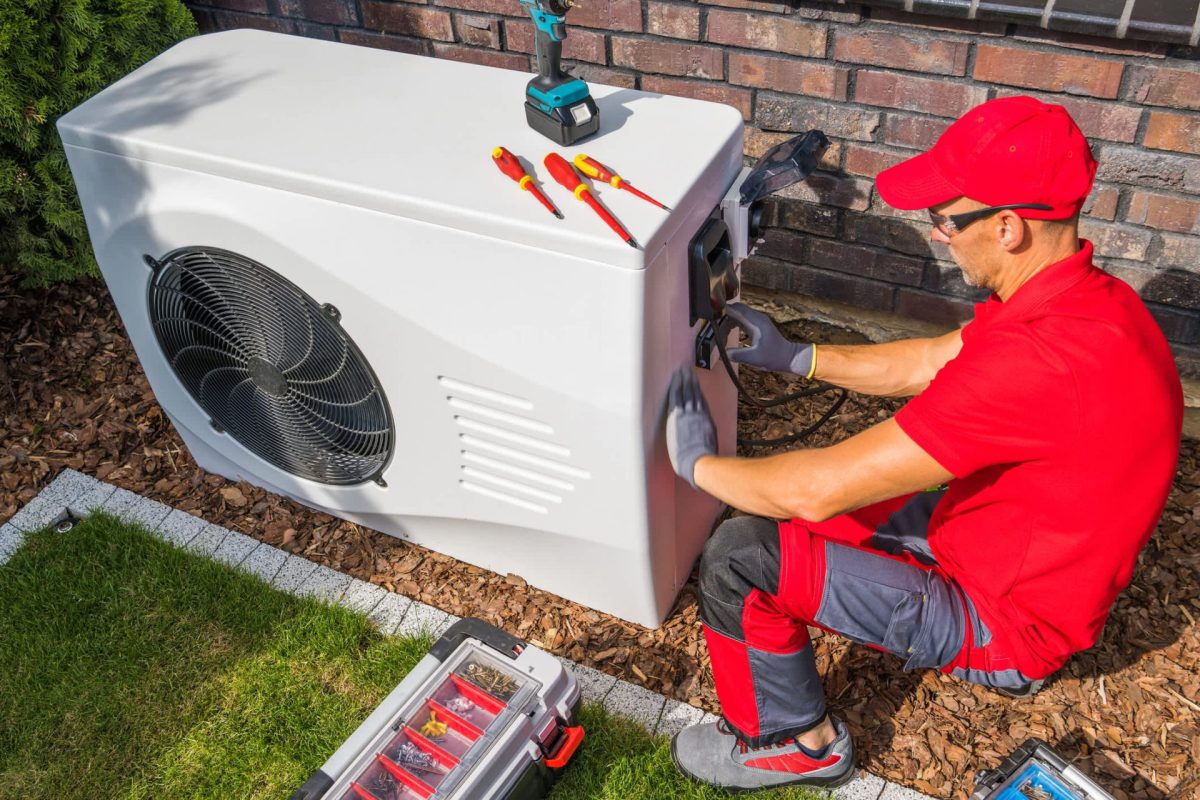
Americans looking to lower their utility bills are increasingly turning to the same home upgrade: replacing gas furnaces with electric heat pumps.
What may once have seemed like a niche clean-energy choice is becoming a practical option for more households, thanks to improved technology, healthier indoor air, and federal tax credits that can help offset the upfront cost.
What's happening?
This broader shift is often called "building electrification" — replacing gas appliances such as furnaces and water heaters with electric versions, especially heat pumps.
In a recent overview for Renewable Energy Magazine, writer Rose Morrison explained that the shift has been building for decades but is now accelerating as newer systems become more efficient and incentives improve.
Morrison said the cost difference is narrower than many homeowners might expect: installing a cold-climate air-source heat pump in the U.S. generally runs about $6,600 to $6,900, and some states and utilities offer incentives or rebates. She wrote that a traditional central air conditioner usually costs around $5,500 to $5,700 to install. Heat pumps also provide both heating and cooling, which can reduce the need for separate systems.
That smaller-than-expected price gap can make heat pumps more financially appealing, especially when lower monthly energy use is factored in.
TCD Picks » Quince Spotlight
💡These best-sellers from Quince deliver affordable, sustainable luxury for all




Why does it matter?
For many households, the biggest draw is cost savings. Because heat pumps move heat with electricity rather than generate it by burning fuel, they use energy much more efficiently than gas-based systems. That can lead to lower utility bills over time and reduce a home's exposure to gas-price swings.
Indoor air quality can improve, too. Gas heating systems can release pollutants such as carbon monoxide and nitrogen dioxide, while heat pumps avoid combustion and therefore do not produce those gases inside the home.
Their climate advantage can grow over time as well. As more wind and solar power are added to the grid, the same heat pump can operate more cleanly without homeowners having to replace the system.
Morrison also pointed to other electrification-friendly upgrades, including solar water heaters, which she wrote can trim heating costs by 50% to 80% and help households avoid higher fuel prices.
What's being done?
Rebates and tax credits from policymakers and local governments are helping speed the transition.
Morrison highlighted Los Angeles communities where households that went all-electric reported lower monthly bills, better air inside the home, and greater protection against gas shortages or sharp spikes in fuel prices.
The technology has improved, too. Newer heat pumps perform better in colder climates, and homeowners now have stronger options across air-source units, geothermal systems, and ductless mini-splits. Many of these systems also include smart controls that respond to weather changes and whether people are home.
Comparing options before an HVAC replacement becomes urgent may show that a heat pump upgrade is more affordable than expected, especially after incentives. Pairing a heat pump with solar panels, LED lighting, or Energy Star appliances can push those savings even further.

Get TCD's free newsletters for easy tips, smart advice, and a chance to earn $5,000 toward home upgrades. To see more stories like this one, change your Google preferences here.