


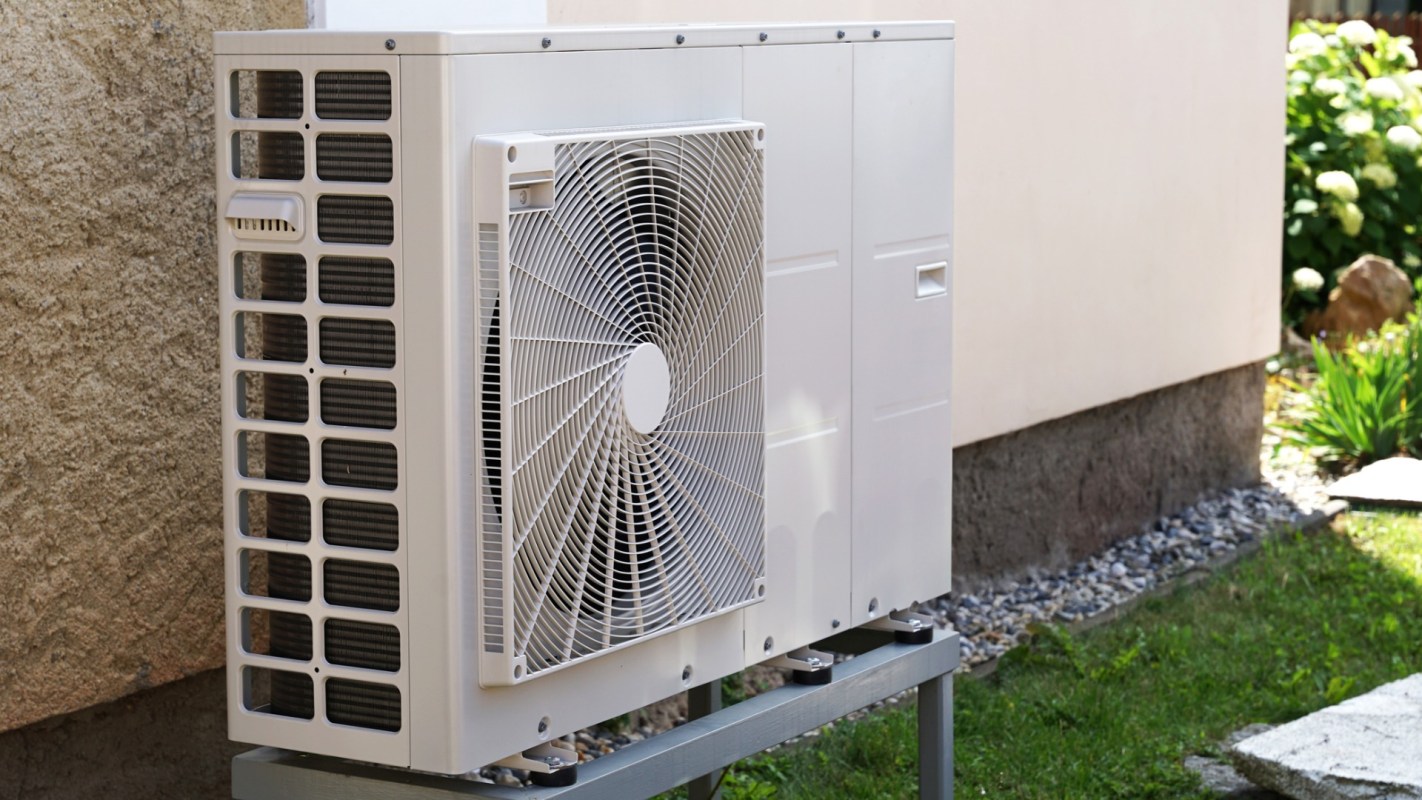
Heat pumps are becoming increasingly popular as an energy-efficient home heating and cooling solution.
They use electricity to move heat from one place to another, instead of planet-warming methane gas, meaning they can be a sustainable and more efficient alternative to both furnaces and A/C units.
But are they worth the cost and effort?
What are the downsides to a heat pump?
Heat pumps are not without their drawbacks. Cost is a major issue for many people, as they are often more expensive than traditional heating and cooling systems.
The cost of a heat pump for a house can vary greatly depending on the size of the home and the type of heat pump. Generally, the cost of a heat pump for a house can range from $4,000 to $7,500, according to Forbes.
The range in price is pretty wide because there are several other factors that can affect the price, like brand name, efficiency rating, and even the local climate. Forbes found that, on average, heat pumps cost $5,500, so it's no small investment to install one in your home.
What are the advantages of getting a heat pump?
For many Americans, this major cost could soon be wiped out. Thanks to the Inflation Reduction Act, you could get some serious cash back when upgrading to a heat pump.
The new law could cover 100% of the costs to purchase a heat pump of up to $8,000, meaning that you could get a heat pump for a fraction of the price.
Another major complaint some people have with heat pumps is that they can be expensive to repair. Yet, because they are between three and five times as efficient as heating and cooling systems powered by dirty energy, they are overall way cheaper to run.
This means despite repairs, you could have savings of hundreds of dollars every single year.
TCD Picks » Quince Spotlight
💡These best-sellers from Quince deliver affordable, sustainable luxury for all




Heat pump detractors may also worry that they may not be suitable for colder climates. But despite these concerns, they are still effective at heating homes at negative 10 degrees Fahrenheit.
Need more evidence? Cold countries like Norway, Finland, and Estonia have the highest rates of heat pump adoption in Europe. And in Maine, a new pilot program to replace oil furnaces with heat pumps found that they work great even in the state's cold winters.
Heat pumps vs. traditional air conditioning: What's better?
So if you're wondering if you should replace your old furnace and A/C unit with a heat pump, it's important to weigh the pros and cons.
Whether or not a heat pump is worth it will depend on your individual needs and budget. But there's no doubt that with the Inflation Reduction Act, this year will be the cheapest time to replace your home's heating and cooling system.

Join our free newsletter for easy tips to save more, waste less, and help yourself while helping the planet.
Cool Picks






