


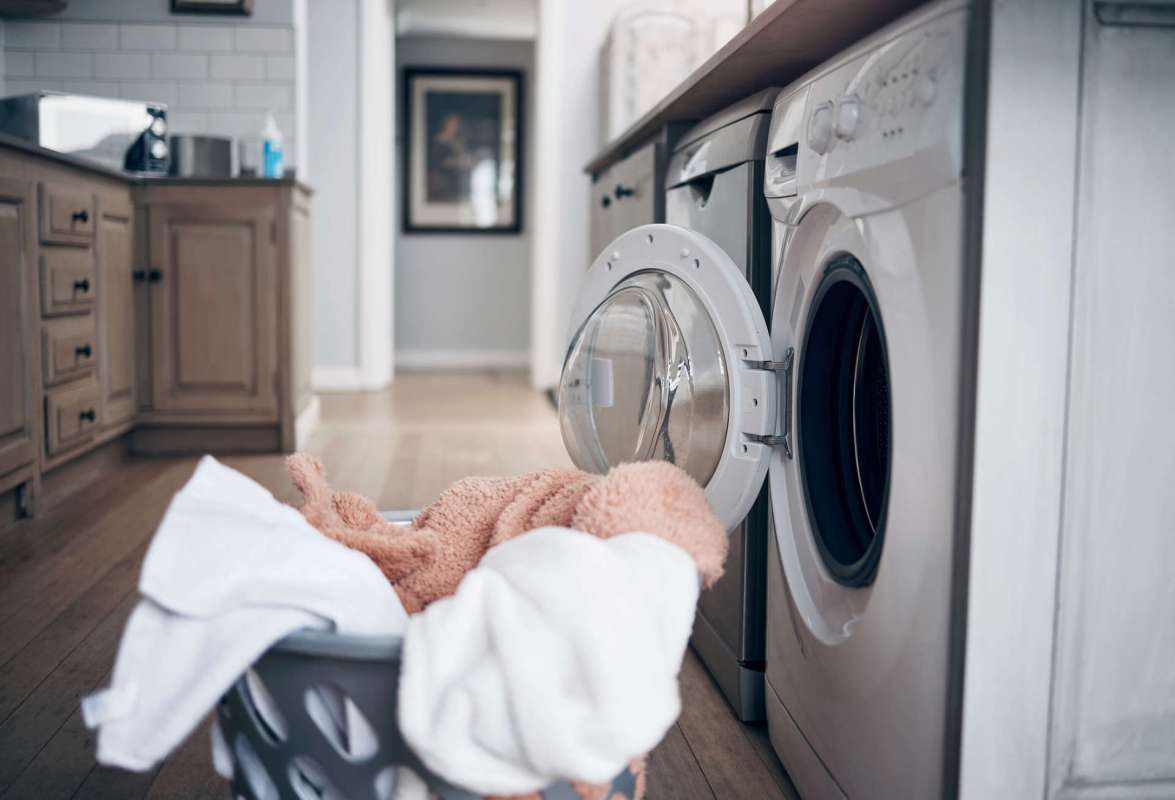
A clothes dryer can be one of the biggest energy users in a home, sometimes consuming more over the year than a refrigerator.
For some households, switching to a heat pump dryer could lead to noticeable savings on utility bills over time, according to One Green Planet.
Here's what to know
Citing Energy Star, One Green Planet noted that heat pump dryers use about 70% less energy than standard clothes dryers.
The outlet also reported that a conventional electric dryer, across roughly 280 cycles a year, can use more electricity than a refrigerator does.
Over the life of the appliance, a heat pump dryer can cut electricity costs by more than $500 compared with a standard electric model.
What makes that possible is the way the dryer handles air.
TCD Picks » Quince Spotlight
💡These best-sellers from Quince deliver affordable, sustainable luxury for all




A traditional vented machine sends heated, damp air outside, while a heat pump dryer keeps the air moving through a closed loop and removes moisture along the way. Because it reuses heat rather than continuously generates more, it needs far less electricity.
As One Green Planet observed, heat pump dryers do not need a vent, which can make them a practical option for apartments, condos, and interior laundry closets while helping owners avoid the cost of adding a vented appliance.
Their main drawbacks involve maintenance and cycle time — the moisture these machines collect must be emptied from a tank or directed into a drain hose, and their low drying temperatures often mean longer cycles than alternatives.
More background
Dryers are easy to overlook when people think about household energy use.
Refrigerators, air conditioning, and heating systems usually get most of the attention, but laundry appliances can quietly drive electricity bills higher, especially in homes that run several loads each week.
A low-heat approach can also be easier on clothes, reducing wear over time.
Still, shoppers may need to plan ahead before making the switch.
Most heat pump dryers run on 240 volts, though some use a standard 120-volt outlet. Buyers also need to think through drainage and maintenance since lint filters and condensers must be cleaned regularly to keep the machines running efficiently.
One Green Planet's roundup highlighted several options across categories, including compact, smart-enabled, all-in-one, and budget models from brands such as Beko, LG, GE, Samsung, and Blomberg.
What can be done?
Rebates can lower the upfront cost for households considering a heat pump dryer.
As One Green Planet reported, federal Home Electrification and Appliance Rebates incentives can cover up to $840 of the cost of a heat pump clothes dryer, and some states offer additional stackable rebates.
It can also help to pair a dryer upgrade with smarter laundry habits.
Running full loads, using moisture-sensing settings instead of timed drying, and keeping filters clean can all improve performance while cutting wasted electricity.
A high-spin washer can make a difference too, with clothes that come out less wet than with other machines and therefore need less time in the dryer.
And for items that are not time-sensitive, a drying rack remains the cheapest option.

Get TCD's free newsletters for easy tips, smart advice, and a chance to earn $5,000 toward home upgrades. To see more stories like this one, change your Google preferences here.






