


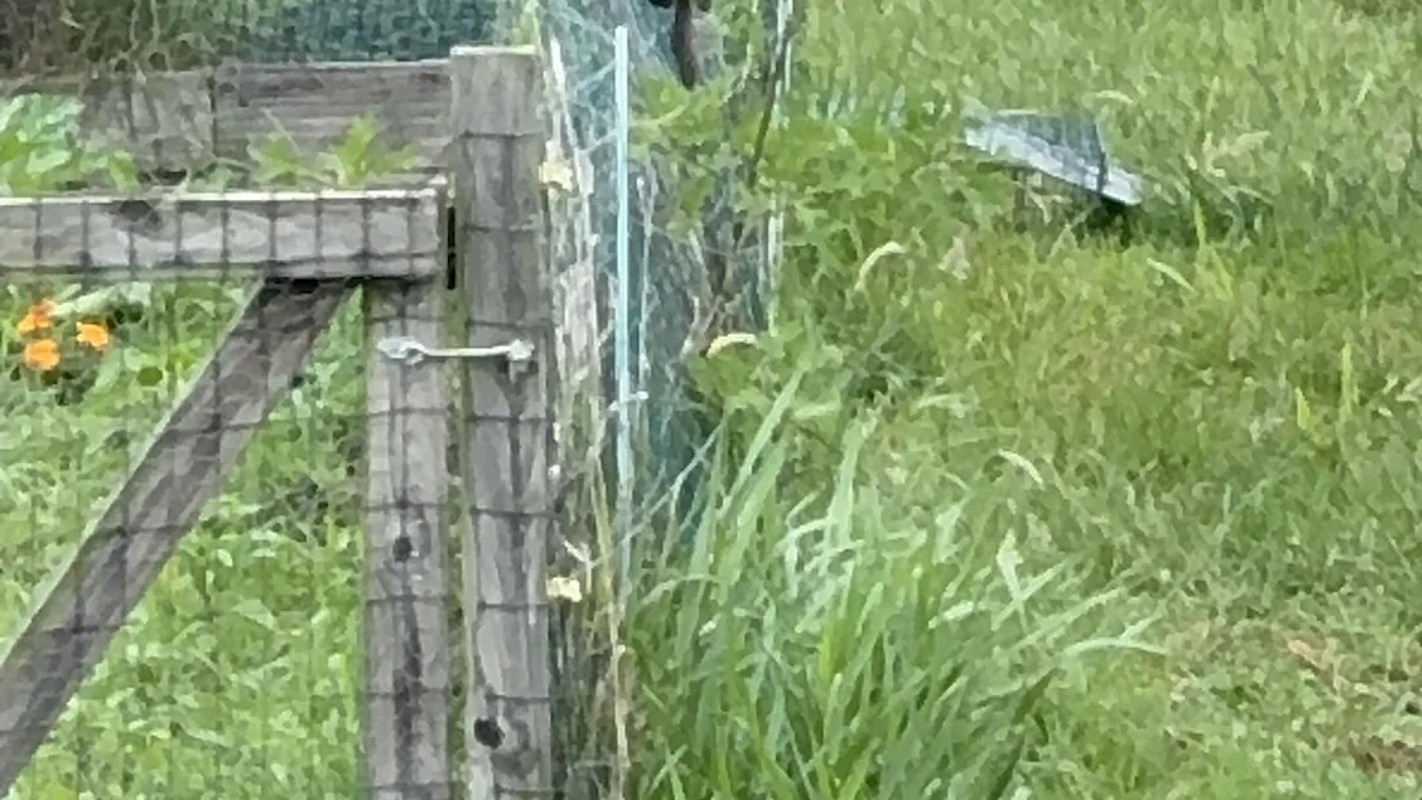
Even a tall electric barrier built to stop deer was not enough to protect one vegetable garden from a pair of groundhogs. The roughly 10-foot-tall fence was no match for the resourcefulness of a duo of these animals, as a Redditor shared on the r/gardening subreddit.
What happened?
A gardener posted an image of two groundhogs getting over an electric fence they said was "strong enough to scare deer away" on Reddit.
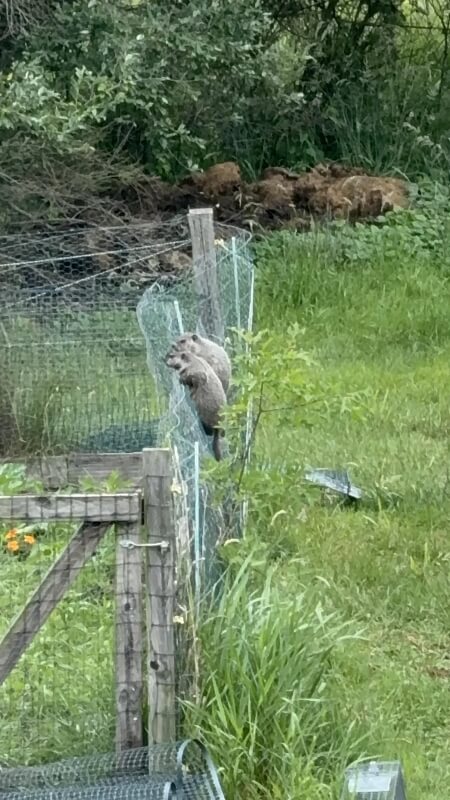
That wasn't up to snuff when two groundhogs took on the obstacle. In the poster's telling, one groundhog got over first, and the second then seemed to learn the route by watching. The OP was at a bit of a loss over the situation and sought help from the community.
A lot of commenters pointed out that groundhogs are not just diggers. When food is at stake, they can also climb fences and even trees.
"Mannnnn when the hog decides it needs your garden there is no stopping it," one wrote.
The original poster did note they had humane traps with apples on their property, and they provided an update later.
TCD Picks » Quince Spotlight
💡These best-sellers from Quince deliver affordable, sustainable luxury for all




At first, the groundhogs reportedly outsmarted that setup, too, knocking the traps around until the bait fell out, but after the traps were staked down, one was eventually caught.
The thread stayed playful as well, with commenters joking about "Airhogs" and comparing determined groundhogs to "chunky squirrels."
Why does it matter?
A garden can represent months of work, a way around rising grocery costs, and hopes for a lower-impact food supply, so watching animals outsmart expensive barriers can be infuriating.
Wildlife conflicts often are not solved by a single gadget or fence. Animals adapt, especially when gardens offer easy, calorie-dense food and habitat has been squeezed by development.
Many gardeners look for ways to protect crops while reducing stress on local wildlife rather than escalating into harmful or cruel tactics. That approach can be better for neighborhoods, pets, and surrounding ecosystems.
A more resilient yard usually comes from layered strategies, not a one-time fix.
What can I do?
Among the most popular suggestions in the thread were ways to make the garden harder to access and less worth the effort.
One common recommendation was changing the top of the fence, so climbers lose their grip at the last moment. A floppy or angled upper section can make the edge too awkward to hold onto.
Another idea was to create a "sacrificial" patch outside the main garden using plants groundhogs already like, such as nasturtiums or violets. If easier food is close by, they may be less motivated to scale the barrier for the main crop.
Gardeners can also check for what's drawing groundhogs beyond vegetables, including dense brush, easy hiding spots, or gaps under fencing. Combining physical barriers with habitat tweaks is often more effective than relying on electricity or height alone.
Humane trapping and relocation rules vary by location, as Humane World detailed. A broader strategy, like wildlife-friendly landscaping and smarter garden design, can help reduce repeat battles over time.

Get TCD's free newsletters for easy tips, smart advice, and a chance to earn $5,000 toward home upgrades. To see more stories like this one, change your Google preferences here.






