


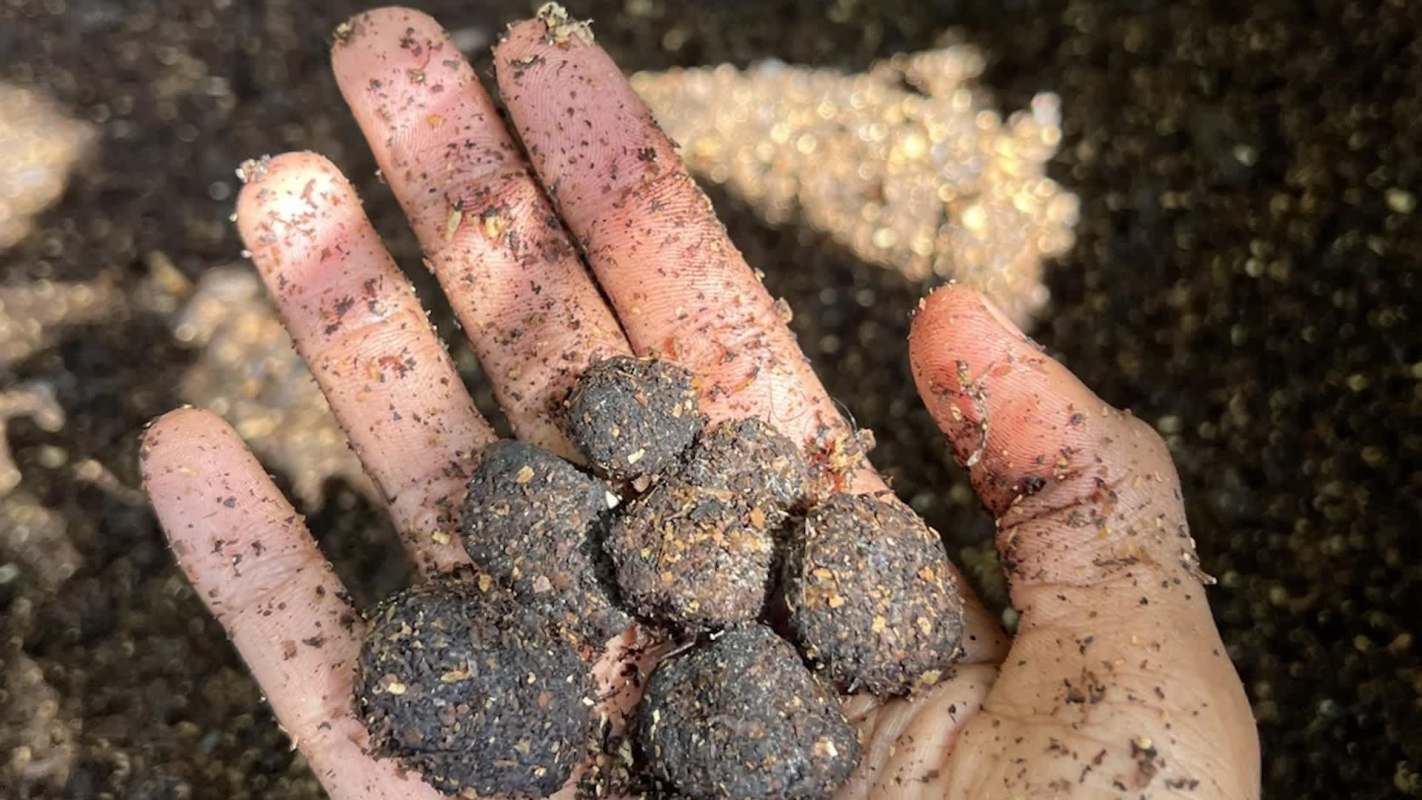
A familiar composting frustration gained attention online: tight, damp clumps that form after a big batch of grass clippings goes in.
For gardeners using tumblers, commenters said the fix may involve less spinning, more mixing, and a little patience.
What happened?
After spotting dense clumps in a compost bin, a Reddit user on r/composting turned to the community for advice.
In the post, the original poster wrote: "I'm pretty sure these formed when I put a good amount of grass clippings in. I already added some more browns in the other day, but the clumps are still there. Should I add more browns in right now?"
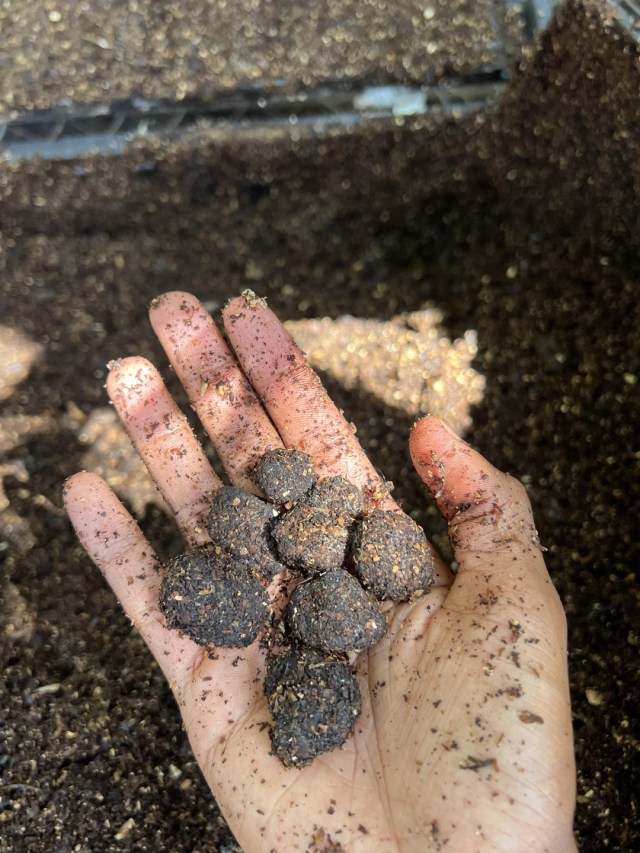
Most users treated the issue as common rather than serious. Commenters said this kind of clumping happens often, particularly in tumbler-style composters, and that it generally breaks down with time. Several also pointed to overturning as a possible cause. As one commenter put it: "Tumbler style? Try rotating less. That is what these clumps are likely from."
Some users focused on an immediate hands-on solution. "Break them up! Ideally with gloves on," one commenter wrote.
TCD Picks » Quince Spotlight
💡These best-sellers from Quince deliver affordable, sustainable luxury for all




Why does it matter?
Grass clippings are rich in nitrogen, which makes them a valuable compost ingredient, but they can also mat together when added in large amounts or when they stay too wet. That reduces airflow, slowing decomposition and creating sticky clumps instead of the crumbly compost gardeners look for.
Finished compost can improve soil structure, help plants retain moisture, and reduce the need to buy fertilizers or soil amendments. Healthier soil can also lead to stronger vegetable gardens, which may help households save money on produce while enjoying fresher, better-tasting food at harvest time.
Gardening also comes with broader benefits. Time spent tending plants can support mental health, encourage movement, and make it easier for families to eat more homegrown fruits and vegetables. Composting is a practical part of that cycle, turning yard waste and food scraps into something useful instead of sending more organic material to the landfill.
What can I do?
The simplest move is to break apart tight clumps of grass or other material as soon as you see them. In the discussion, commenters suggested doing that with gloved hands, with a trowel, or by sifting it through a screen.
It also helps to mix clippings with dry materials before they have a chance to compact. Shredded leaves, cardboard, and other carbon-rich "browns" can improve airflow and keep wet greens from sticking together. Instead of adding a thick layer of clippings all at once, small mixed batches tend to compost more evenly.
For tumbler users, easing up on rotation may also help. A light turn every few days can keep the materials moving without packing the compost into dense lumps.

Get TCD's free newsletters for easy tips, smart advice, and a chance to earn $5,000 toward home upgrades. To see more stories like this one, change your Google preferences here.






