



When a homeowner put their generator a little too close to home for comfort, commenters in the r/Generator subreddit didn't hesitate to warn them about the dangers.
"Hey guys, I just wanted to know if this was safe. I put the fan there to blow some of the fumes away from the house, but you can still kinda smell it," the poster explained, adding a photo of their MacGyvered DIY setup that showed a small electric fan running near the generator.

They presumably had moved it to protect it from rain damage, but commenters suggested buying a generator tent so they could operate it safely.
One commenter reminded the OP of the most important safety tip when running generators, writing, "There is a reason generator manuals tell you to place the generator at least 20 [feet] from your house. You are endangering everyone in that house."
In addition to producing hazardous pollutants such as nitrogen oxides and fine particulate matter, which can contribute to respiratory problems, generators also emit carbon monoxide. This odorless, colorless gas is the leading cause of death among people who use portable generators in enclosed or poorly ventilated areas, per Entergy.
Known as the "invisible killer" because it's undetectable, carbon monoxide poisoning caused by emergency generators kills around 100 people in the United States each year, according to the Consumer Product Safety Commission.
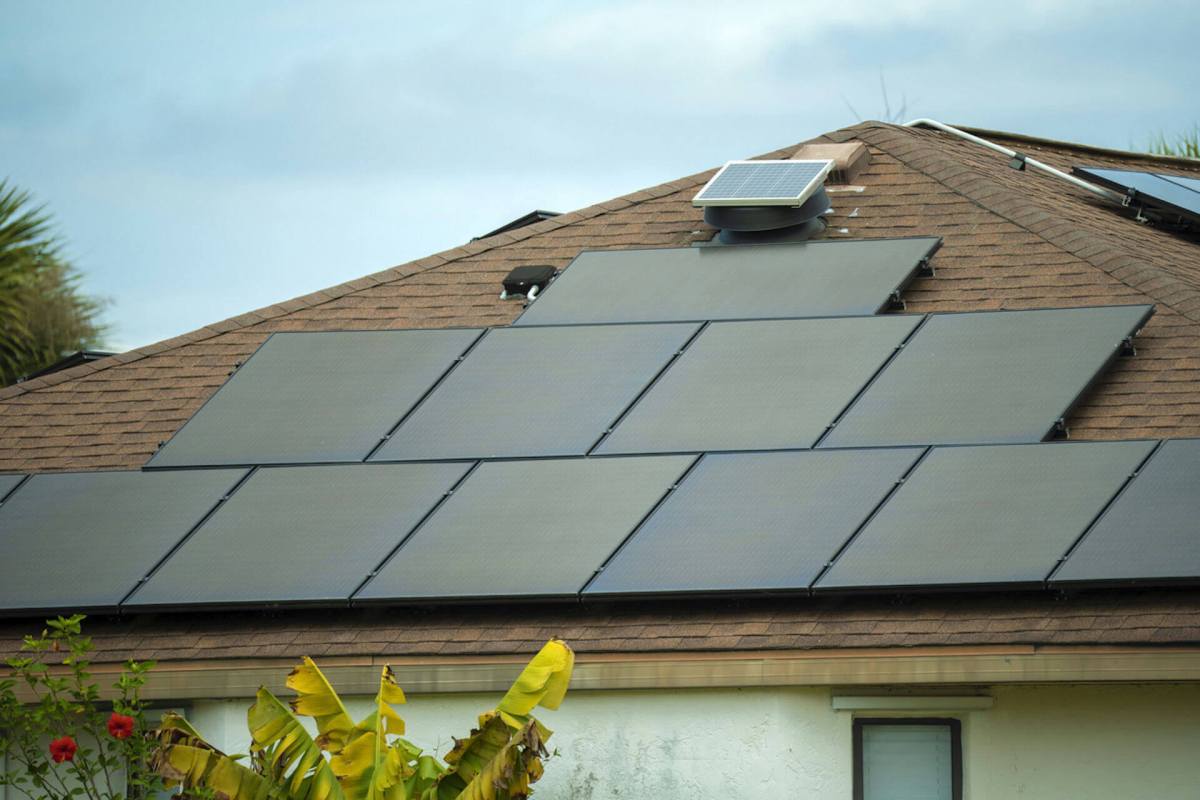
For this reason, along with huge savings on energy bills (sometimes near $0 a month) and being environmentally friendly, many homeowners have installed a rooftop solar setup paired with backup batteries that can keep the lights on during storms. EnergySage is an excellent resource for those interested in going solar, as it offers free tools that enable you to compare quotes from reliable installers in your area and potentially save up to $10,000 on purchase and installation costs.
You can also use its free mapping tool to access the average cost of a home system and available tax incentives and rebates on a state-by-state basis, making it easy to find the right system for your budget and needs.
Save $10,000 on solar panels without even sharing your phone number Want to go solar but not sure who to trust? EnergySage has your back with free and transparent quotes from fully vetted providers that can help you save as much as $10k on installation. To get started, just answer a few questions about your home — no phone number required. Within a day or two, EnergySage will email you the best local options for your needs, and their expert advisers can help you compare quotes and pick a winner. |

To maximize your energy savings, pairing solar with a heat pump is a wise choice. With EnergySage's free heat pump quotes comparison tool, you can find a vetted contractor who can set you up with the perfect model for your budget and climate.
Other commenters were shocked at the OP's poor discernment about how to operate the generator safely.
|
Is your home prepared for a blackout? Click your choice to see results and speak your mind. |
 We are ready 👍
 "If you can smell it, it definitely is not safe," one person said.
"I don't know, but I wouldn't chance it. No amount of power is worth your life to gamble like this. I would just wait for the rain to stop or get a cover," another shared.
More From EnergySage
💡Go deep on the latest news and trends shaping the residential solar landscape




Join our free newsletter for easy tips to save more and waste less, and don't miss this cool list of easy ways to help yourself while helping the planet.
Cool Picks




