


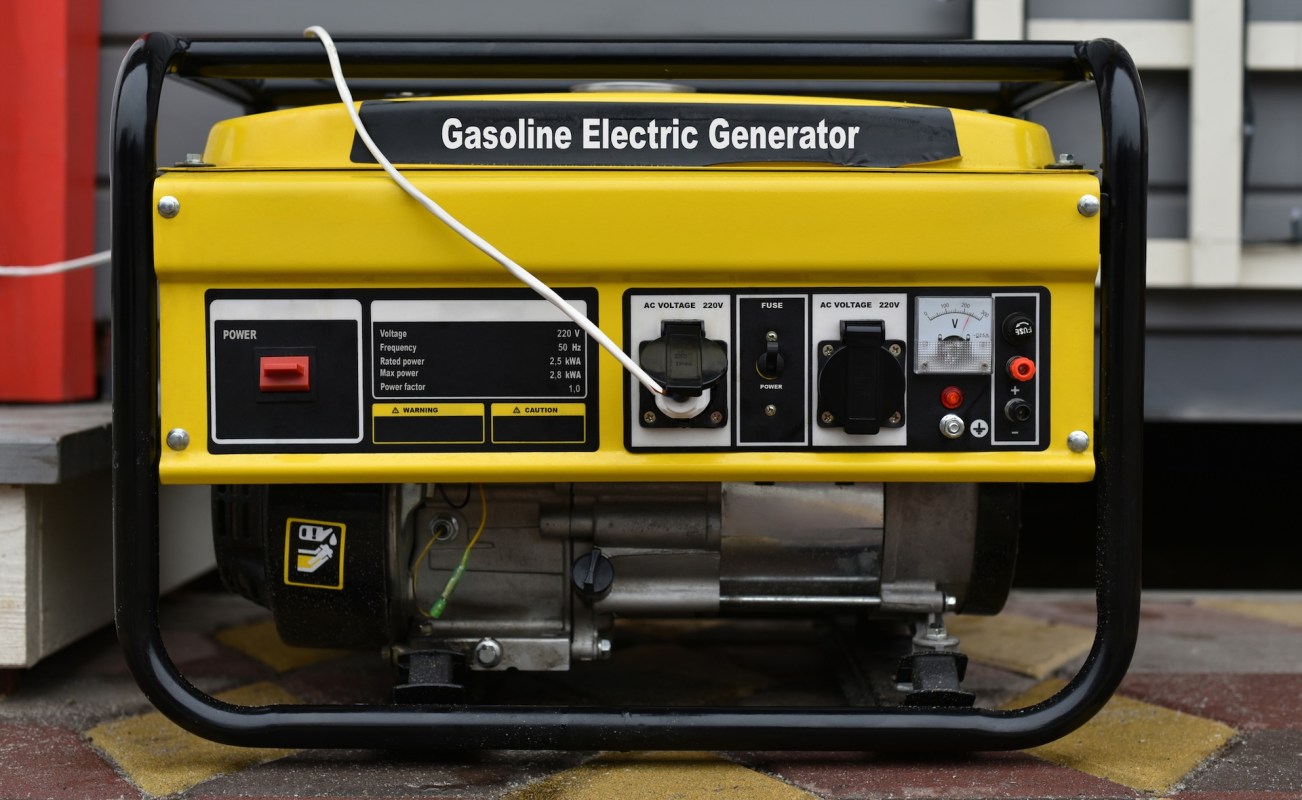
A power outage due to a tornado left one homeowner questioning whether their generator was enough protection to ride out the worst of the blackout.
The concern is part of why more people are exploring backup systems that combine a generator with battery storage instead of depending on a single solution.
Here's what to know
Writing in Reddit's r/Generator community, the homeowner described how the storm-related blackout reshaped their view of emergency power.
The original poster said the generator performed well, but they came away concluding that "fuel is probably the weakest part of my setup."
"I'm thinking it might make more sense to use the generator for heavier loads and charging during the day, then switch to a battery setup overnight for things like the fridge, router, lights, and a fan," the OP added. "For anyone who uses both, how do you actually split the loads between them?"
Commenters streamed in with their advice and suggestions.
TCD Picks » Quince Spotlight
💡These best-sellers from Quince deliver affordable, sustainable luxury for all




"I think it makes a lot of sense to use a battery at night," one person wrote. "I'm planning to get one of those slim fridge-specific backup batteries and leave it plugged in as a UPS unit next to the fridge. Going this route means we don't have to worry if the power goes out while we're at work and keeps me from firing up the generator for short outages, which are way more common than long ones."
Another added that, "This is exactly what I do down in Florida. I have an EcoFlow Delta Pro plugged into my interlock [and] have an inlet inside my garage and one outside. I use the Delta Pro during storms when an outage happens. Post storm, I use the Delta Pro as primary and during the night (silent and secure)."
More background
For many families, outage planning is no longer just about owning a generator. It is also about reducing the hassle that comes with running one nonstop, especially when severe weather disrupts roads, gas stations, or normal routines.
If a household can keep internet service, a few lights, phones, and a fan running overnight without burning more fuel, that may help stretch fuel supplies across several additional days.
A setup like this can save time by reducing late-night refueling and simplifying decisions about which loads stay on. It can also help save money over time if it cuts unnecessary generator runtime during outages.
Even beyond emergencies, a battery system may still prove useful for smaller household needs, such as keeping devices charged, supporting remote work basics, or serving as a ready backup during short interruptions.
What can be done?
For homeowners interested in this approach, the first step is figuring out what truly needs power and how much energy those items use. A refrigerator, for instance, may be a top priority, but its actual draw and startup surge matter when deciding whether a battery can carry it overnight.
One practical way to divide the workload is to let the battery handle lower-demand periods when quiet and efficiency matter most, while the generator is used during the day for recharging and for appliances that need more power.
It is also wise to test the setup before the next storm arrives. A practice run can show how long a battery lasts, how much fuel the generator uses to recharge it, and which devices are actually worth keeping on.

Get TCD's free newsletters for easy tips, smart advice, and a chance to earn $5,000 toward home upgrades. To see more stories like this one, change your Google preferences here.







