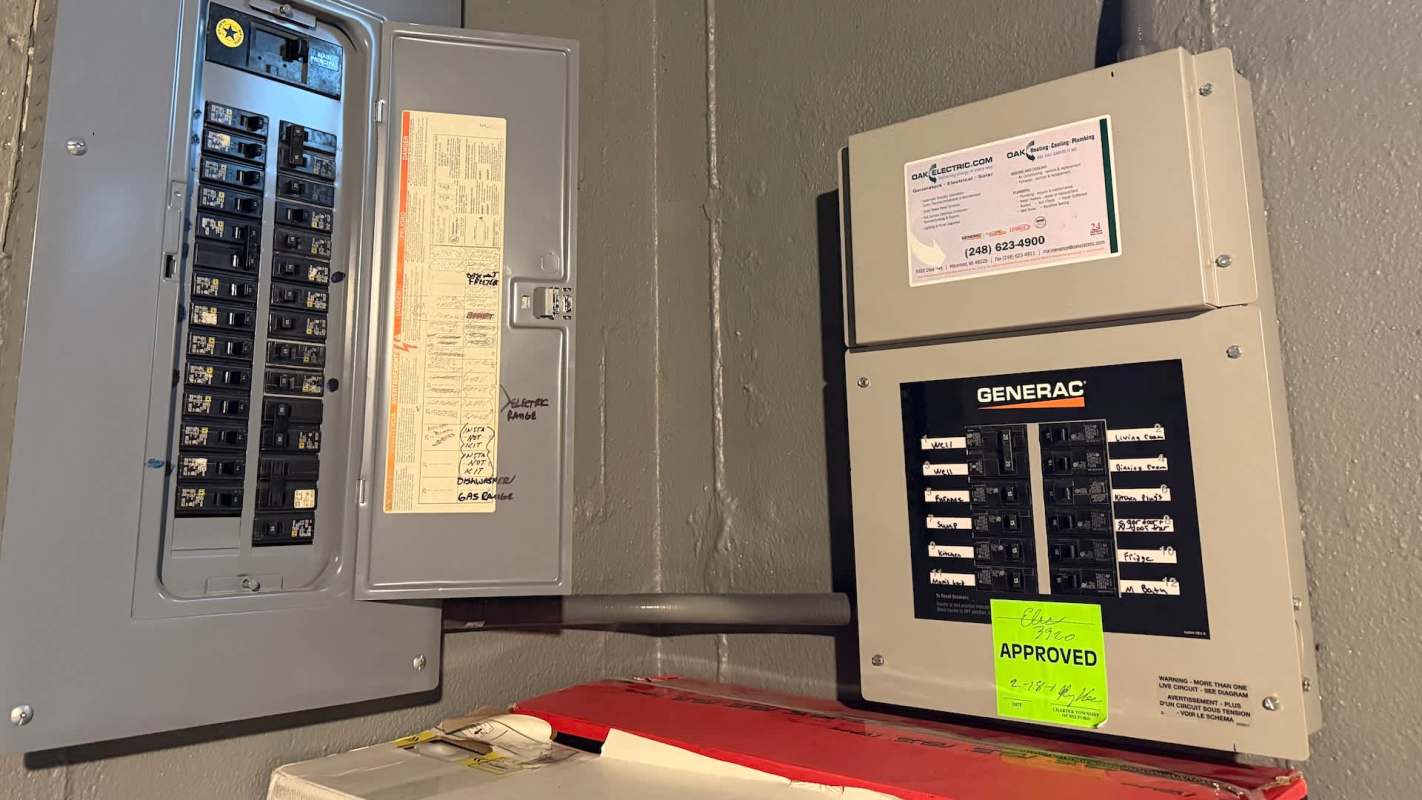
After about 12 hours without electricity, one new homeowner still learning how a standby generator system works asked about shutting down a running Generac unit for an oil check.
Here's what to know
In a Reddit thread, the homeowner asked whether checking the oil required the main breaker to be shut off first.
They said they were trying to follow Generac's instructions for an oil check during a long outage without damaging anything.
A key point raised in the replies was to avoid dropping the generator offline while it was still carrying the house.
"Always shut the breaker off on generators before shutting it down," one commenter wrote.
The same person later added that otherwise "you'll cause a brownout to your home while the engine slows down."
TCD Picks » Quince Spotlight
💡These best-sellers from Quince deliver affordable, sustainable luxury for all




The concern was the brief low-voltage condition that can happen as the engine winds down, which commenters said could be rough on electronics and appliances. Taking the load off the generator before turning it off was presented as a way to limit that risk.
One detailed suggestion in the thread was to unload the unit before servicing it: turn off the breaker at the generator, let the machine keep running for a few minutes with no load, then shut it down for the oil check and start it back up afterward.
More background
The discussion also turned to what would happen if utility power returned while the generator was being serviced. The homeowner asked whether the utility disconnect needed to be shut off for safety.
"An ATS should prevent backfeeding, but I get it," one commenter replied.
Automatic transfer switches are intended to stop generator power from feeding back onto utility lines.
Not everyone agreed that a standby generator needs regular shutdowns just to cool off. Several commenters suggested oil level and maintenance timing as bigger factors instead.
"But really, only need to do that every few days and know when the next oil change is due," one commenter said.
What can be done?
Understanding a generator's shutdown sequence before an emergency can prevent confusion. That means knowing where the generator-side breaker is, where the controller switch sits, and what your model's manual actually says.
The replies generally pointed the homeowner toward the generator itself rather than the main panel in the house.
A verified electrician in the thread said, "To disconnect the load, switch off the breakers in the generator panel. This will reduce the load one circuit at a time. Or / Flip off the breaker in the generator. This will remove all the load, all at once."
Following the correct shutdown and restart process can help reduce the chance of low-voltage stress on household devices and protect the investment that backup power represents.
The homeowner later wrote, "I will absolutely flip the breaker on the generator and then let it run for a few minutes before turning it off via the digital panel under the lid."
Where can I learn more?
If you're looking beyond the shutdown procedure itself, these articles explore how homeowners handle backup power during outages.
• Generac is pushing whole-home backup systems that pair solar power with home batteries.
• After three sweltering days offline, one homeowner turned to a portable propane generator for relief.
• New home backup buyers are comparing Anker Solix and Tesla Powerwall before the next outage.
• Startups are pitching homeowners plug-and-play home batteries that smooth outages and daily energy use.

Get TCD's free newsletters for easy tips, smart advice, and a chance to earn $5,000 toward home upgrades. To see more stories like this one, change your Google preferences here.