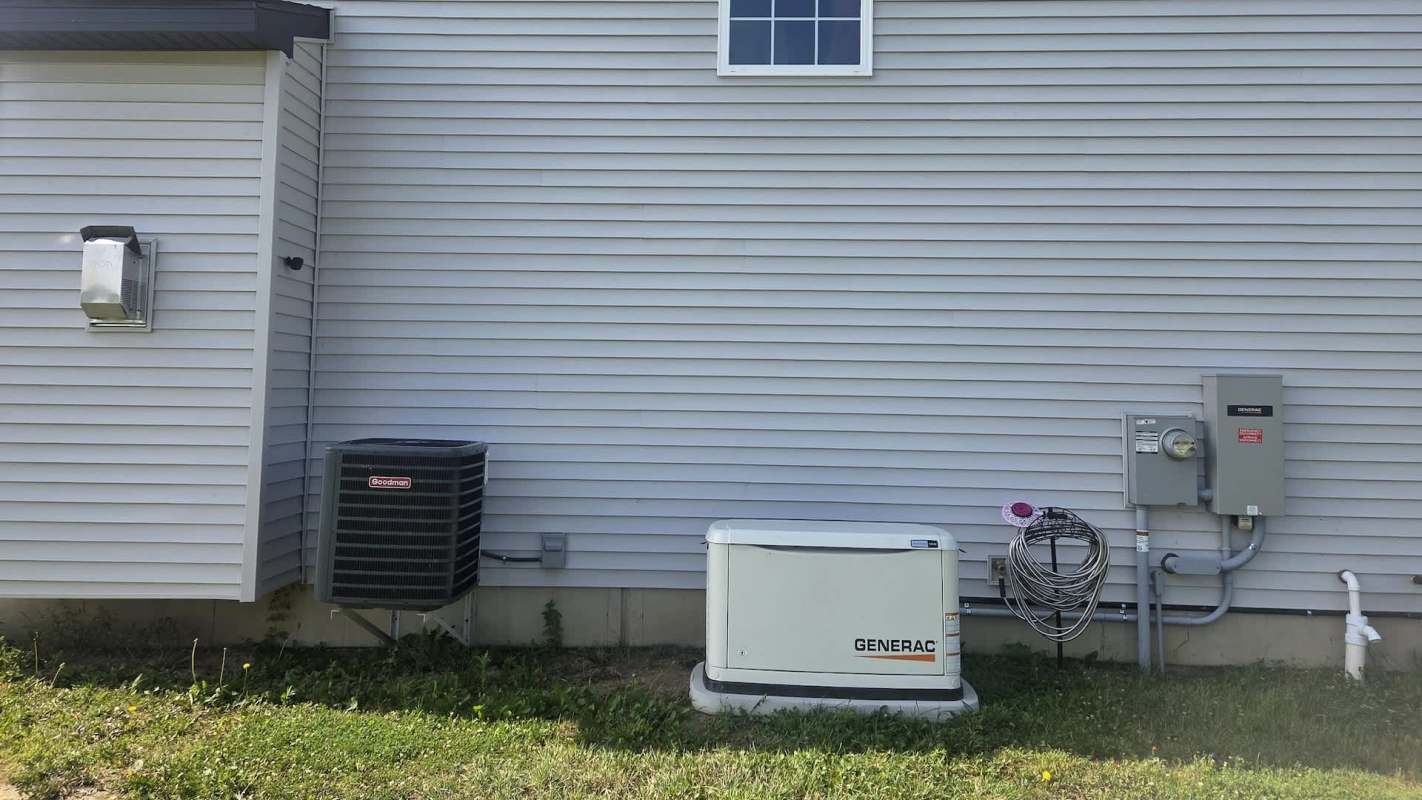
A homeowner who thought their backup generator was doing exactly what it was supposed to do during a blackout got a terrifying wake-up call instead: smoke and carbon monoxide alarms sounding in the middle of the night.
After roughly eight hours of runtime, a portable monitor showed carbon monoxide levels as high as 190 parts per million inside the home, raising urgent questions about generator placement, installation, and household safety.
What happened?
According to the homeowner's account on Reddit, the Generac had been in place for two years but had seen only brief use before a power outage happened.
At first, everything seemed normal. The unit came on automatically, the air conditioning kept running, and the house remained closed up. Around 1:30 a.m., that changed when smoke and carbon monoxide alarms woke the household.
A portable monitor then showed the highest carbon monoxide levels downstairs, with readings of 160 to 190 ppm in the basement and on the first floor, while the second floor was around 100 ppm. The homeowner wrote, "I went outside, turned off the generator, and opened all windows."
They added that "The CO readings quickly lowered and the alarms stopped."
TCD Picks » Good Store Spotlight
Get 10% off your next purchase with code TCD10




Why does it matter?
Backup generators can become a serious indoor air hazard if exhaust is too close to a home or finds a way inside.
Carbon monoxide can build up without people noticing until alarms sound or symptoms begin.
After contacting the company that installed the generator and handles its maintenance, the homeowner said the response "seemed rather dismissive." According to the post, the company maintained that the setup was correct, suggested the house might be allowing gas in somewhere, and said the practical choices were to stop using the generator or move it.
What can I do?
If a carbon monoxide alarm goes off while a generator is running, take it seriously.
TCD Picks » Quince Spotlight
💡These best-sellers from Quince deliver affordable, sustainable luxury for all




Shut the unit down if it is safe to do so, get fresh air into the home, leave the area if necessary, and seek emergency help if anyone feels sick or readings remain elevated.
For homeowners with standby generators, it may be worth documenting the unit's distance from doors, windows, vents, crawl spaces, and other openings, then comparing that setup with the manufacturer's guidance and local code requirements. A second opinion from a licensed technician or inspector may also be worth pursuing if the original installer brushes off a concern.
It can also help to keep more than one carbon monoxide detector in the home, including low-level monitors where possible, especially near sleeping areas and on lower floors.

Get TCD's free newsletters for easy tips, smart advice, and a chance to earn $5,000 toward home upgrades. To see more stories like this one, change your Google preferences here.