


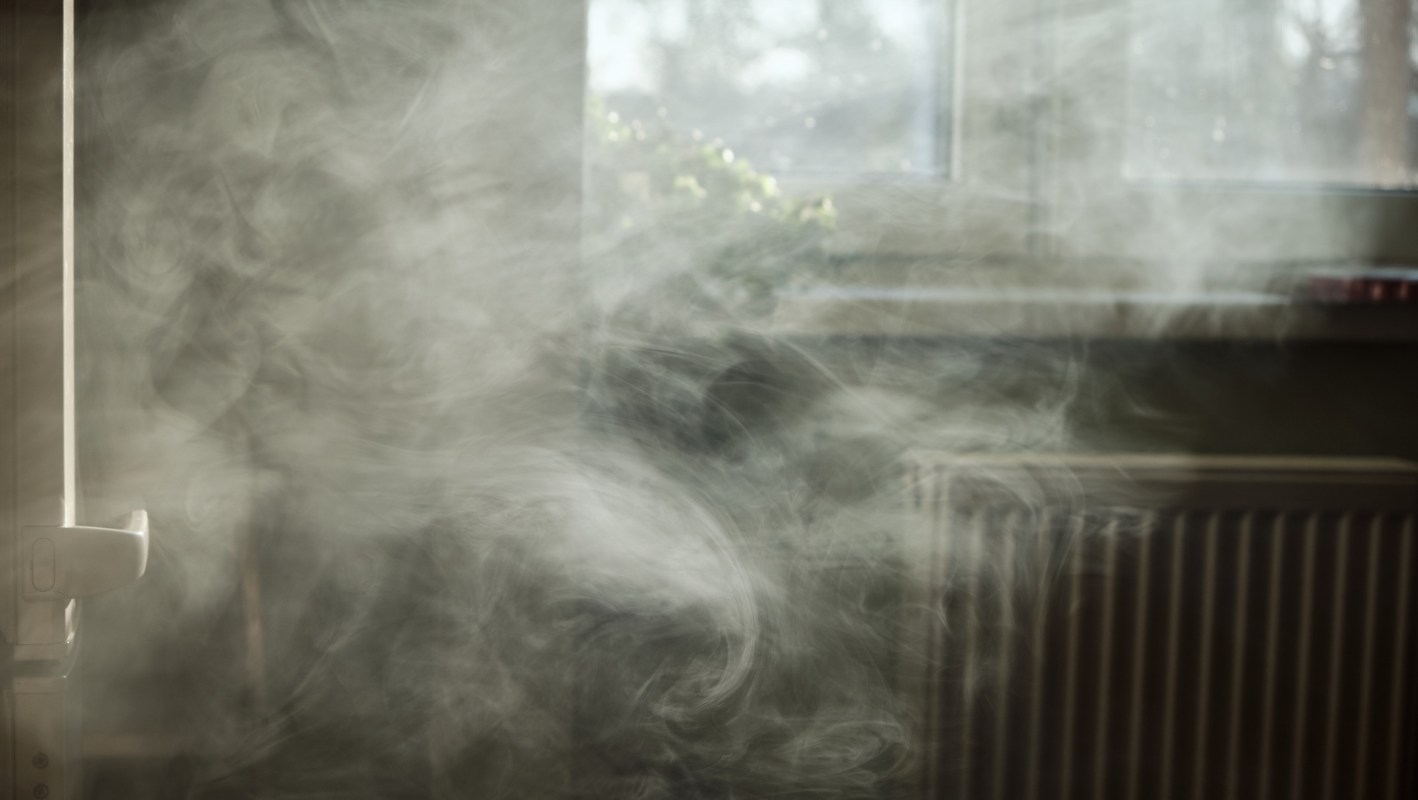
A new study, published in the Journal of Hazardous Materials, modeled the amount of benzene generated by a gas stove, and the findings reveal just how serious the risks are.
What's happening?
Benzene, a known carcinogen, is released by natural gas and propane stoves, as was explored in a similar study in 2023, which revealed these appliances expose people to more of the chemical than secondhand smoke.
Furthermore, the new study examines the level of emissions produced, as well as their health effects.
To examine the real-life impacts, the study simulated various home types, stove usages, and ventilation levels.
The authors' findings were clear: "The results show that gas stove emissions significantly elevate cancer risks in homes with medium to high gas stove usage and inadequate ventilation," as quoted by the study via ScienceDirect.
Why are the findings concerning?
The effects of benzene and other harmful chemicals, such as nitrogen dioxide, associated with gas stoves are not affecting a specific population; those potentially impacted are widespread.
TCD Picks » Quince Spotlight
💡These best-sellers from Quince deliver affordable, sustainable luxury for all




The U.S. Energy Information Administration (EIA) reports that 38% of U.S. households have a natural gas cooking appliance.
The new study also found the health impacts of benzene in poorly ventilated, high-usage conditions to be worse with children, as they inhale more air relative to their body weight, leading to a 1.85 times higher Incremental Lifetime Cancer Risk (ILTCR).
Gas-powered stoves have an even broader human impact, as they contribute to rising global temperatures, which can lead to agricultural issues and thus food shortages, as well as heat-related deaths.
What can I do about benzene exposure?
The study clearly highlights the need for good ventilation when using natural gas or propane stoves — although the best step may be to turn away from these appliances altogether.
To reduce your exposure to carcinogens from gas stoves while also protecting the planet, consider switching to electric cooktops. Specifically, with induction stoves, you'll be able to make meals more efficiently while keeping toxic gases out of your home.
|
Do you worry about having toxic forever chemicals in your home?
Click your choice to see results and speak your mind. |
 Majorly 😥
Join our free newsletter for easy tips to save more and waste less, and don't miss this cool list of easy ways to help yourself while helping the planet.






