


Australians are throwing away millions of tons of food every year — and as it turns out, much of it is still perfectly safe to eat.
What's happening?
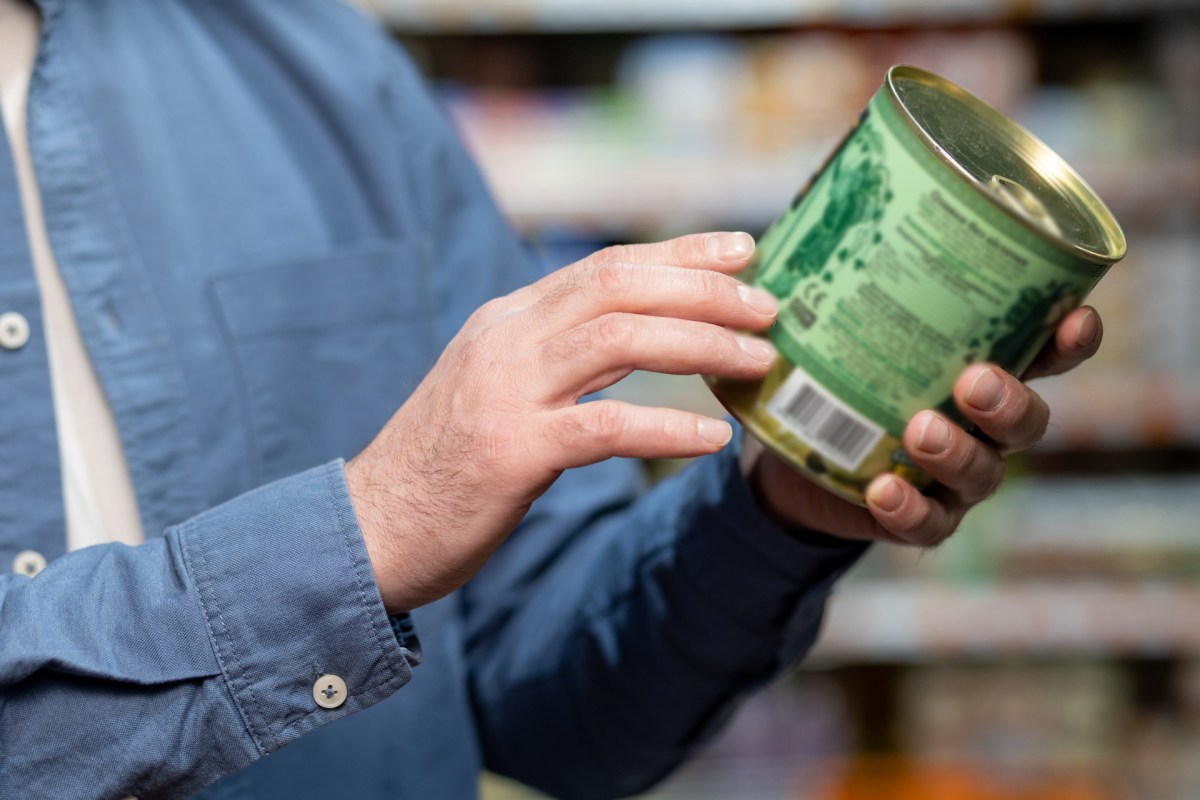
A new study from RMIT University and End Food Waste Australia found that confusing food labels are one of the biggest culprits. Inconsistent use of "use by" versus "best before" dates, unclear storage advice, and tiny print are pushing people to toss out good food.
According to an RMIT University release shared by Phys.org, each household could be losing as much as $2,500 a year due to these simple misunderstandings.
"Australian shoppers deserve better than this. They're being let down by labels that don't give them the information they need to make the right call," said associate professor Lukas Parker, the study's lead author.
Why is food waste concerning?
Every year, Australians waste 8.3 million tons of food. When food ends up in landfills, it breaks down and releases methane gas, which is far more potent at overheating our planet than carbon dioxide.
This isn't just a problem in Australia. According to the USDA, 30-40% of the entire American food supply ultimately becomes food waste. This is both an economic and environmental issue, as this lost food also amounts to hundreds of billions of dollars.
The study estimates that smarter labels alone could prevent about a million tons of waste by 2030.
What's being done about food waste?
The report calls for an improved, updated national system for date labeling and storage advice. But, End Food Waste Australia CEO Tristan Butt said the solution won't come from consumers alone.
"Clear, consistent date labeling is one of the most cost-effective and scalable ways to reduce household food waste, but it won't happen without industry-wide collaboration," he said.
There are other innovative actions beyond label improvements being implemented worldwide to reduce food waste. For instance, British supermarket chain Sainsbury's launched an initiative to transform unused food into biofuel for its trucking fleet.
TCD Picks » Quince Spotlight
💡These best-sellers from Quince deliver affordable, sustainable luxury for all




|
Should companies be required to help recycle their own products?
Click your choice to see results and speak your mind. |
 Definitely 👍
 In other places, like Spain, food banks are partnering with markets and local businesses to intercept food waste before it's disposed of.
At home, you can do your part by taking the time to learn the difference between "use by" (safety) and "best before" (quality), and storing food properly to get the most out of your meals.

Join our free newsletter for easy tips to save more and waste less, and don't miss this cool list of easy ways to help yourself while helping the planet.
Cool Picks






