


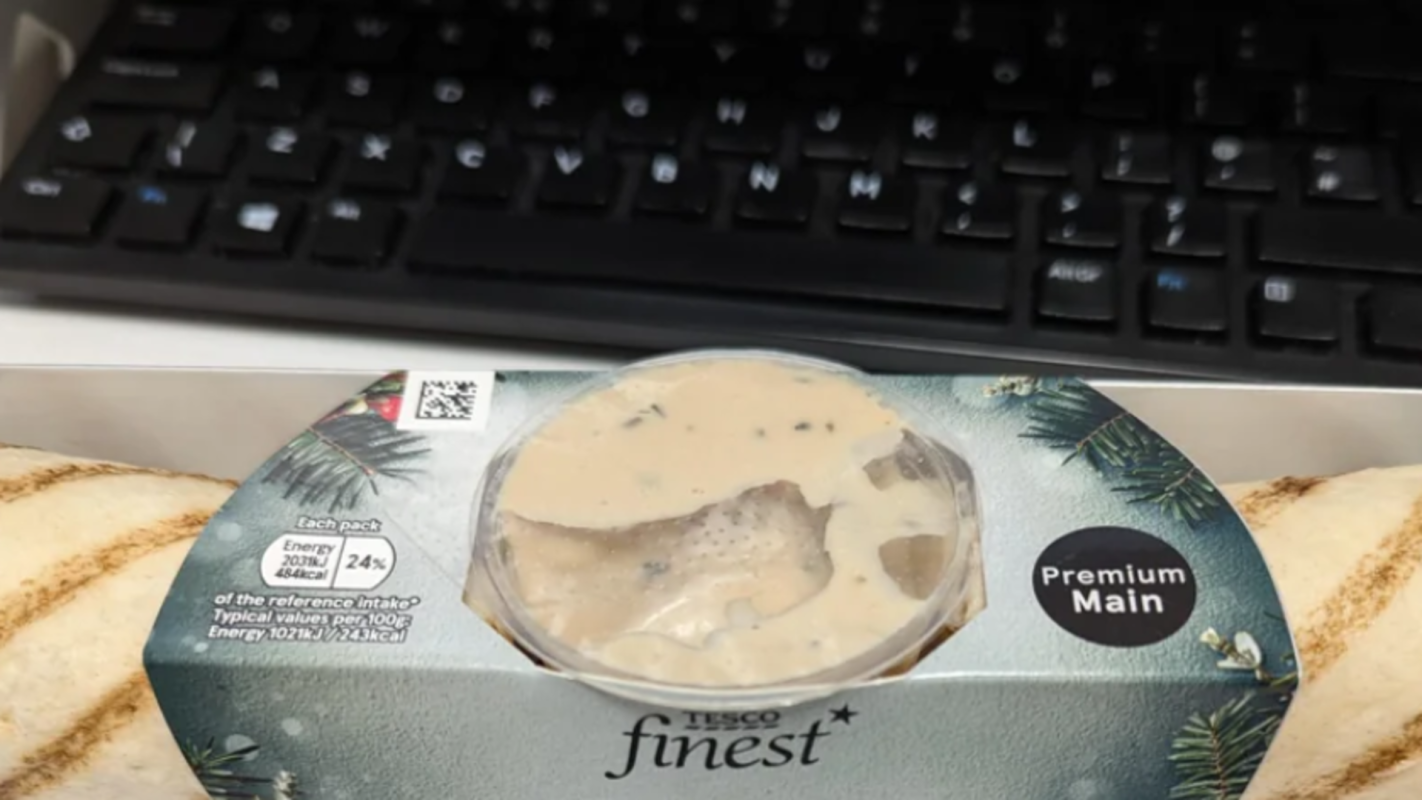
Some food brands use excessive packaging to mislead shoppers into believing they're getting more product than they really are. Not only does this form of psychological manipulation impact consumer trust, but it is also environmentally damaging and financially wasteful.
What's happening?
In a Reddit post, one shopper shared a photo of a chicken wrap that appears significantly larger than it actually is due to deceptive packaging.
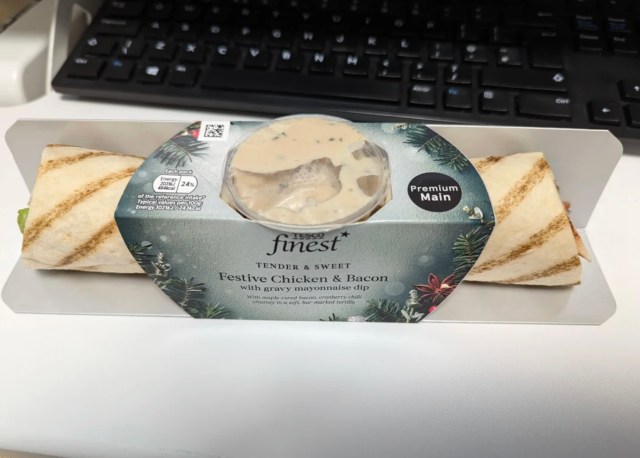
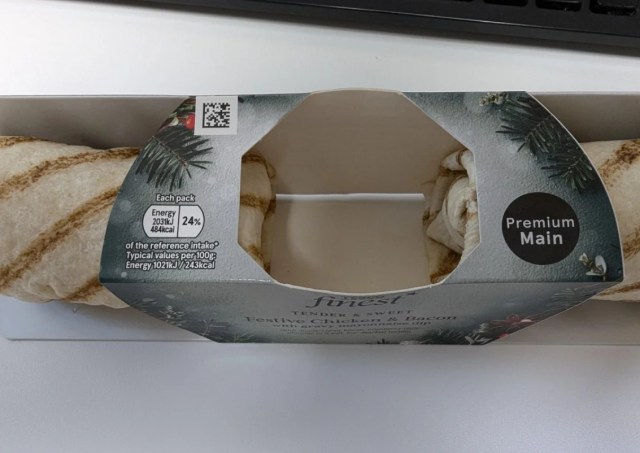
"Embarrassed to say I've been tricked by the gap," the OP wrote.
Redditors were appalled by the company's blatant scam to trick shoppers into thinking they're getting more food.
"Any attempt at intentionally making the portion size appear bigger than it is should be illegal," another Reddit user commented on the post.
"And it's such a waste of packaging," someone else agreed. "We don't need the extra plastic and cardboard in the environment so that they can deceptively market to us."
TCD Picks » Quince Spotlight
💡These best-sellers from Quince deliver affordable, sustainable luxury for all




Why is food overpackaging a problem?
Deceptive packaging, like in this example, is concerning because it leads to unnecessary waste.
It can also be a form of greenwashing, in which brands present their products as eco-friendlier than they actually are. These misleading marketing tactics lead shoppers to mistakenly believe they are making sustainable choices when, in reality, they are paying more for no additional benefit and contributing to overflowing landfills.
Excess packaging costs businesses money, and it is neither cost-effective nor responsible to pass those expenses onto consumers.
Over time, food brands that continue to use unnecessary packaging to influence sales will lose consumer confidence and contribute to increased pollution from the production and transportation of their products.
|
Should it be illegal to throw away old clothes?
Click your choice to see results and speak your mind. |
 Heck yes 👍
 Are grocery stores taking any action against wasteful packaging?
Tesco, a British grocery chain, sold the chicken wrap featured in the OP's Reddit post. However, many grocery stores worldwide are guilty of similarly deceptive marketing.
Fortunately, some stores are taking steps to reduce their packaging waste. For example, the Albert Heijn supermarket chain introduced sustainable packaging made from a plant-based, circular, non-toxic, and biodegradable material.
Another store, ShopRite, has partnered with TerraCycle to facilitate the recycling of flexible plastic packaging outside its stores.
What's being done about packaging waste more broadly?
When choosing where to shop for groceries and household goods, consider supporting brands that adopt plastic-free and minimal packaging to contribute to a cleaner, more sustainable planet. By avoiding plastics and excess packaging when shopping, you help limit the spread of harmful microplastics in the world and their impacts on people, wildlife, and entire ecosystems.
Going forward, be mindful about the products you purchase and how they're packaged. There are numerous ways to reduce plastic use and avoid unnecessary packaging by adopting sustainable containers, reusable grocery bags, and other everyday essentials.

Join our free newsletter for easy tips to save more and waste less, and don't miss this cool list of easy ways to help yourself while helping the planet.






