


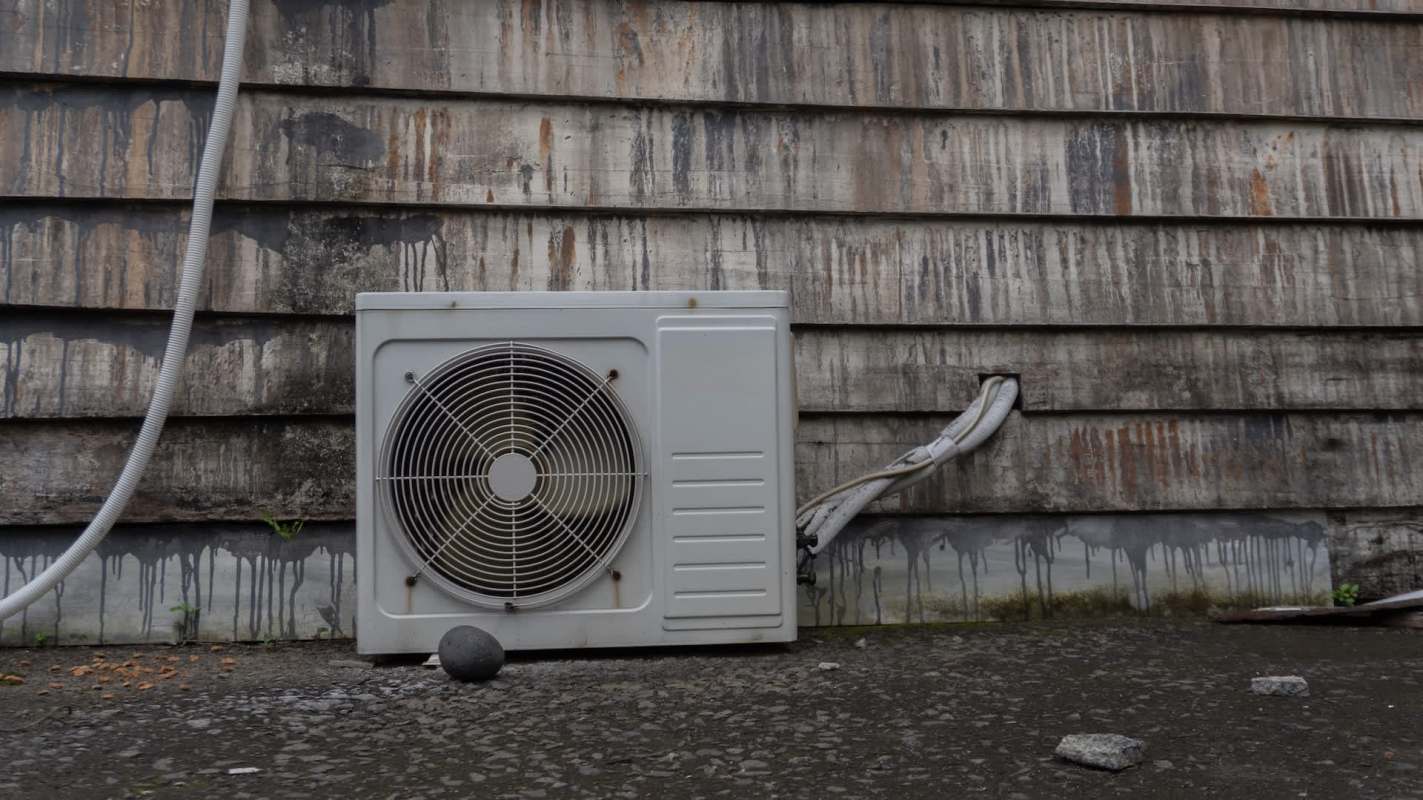
When severe weather cuts electricity or sends water toward a house, an air conditioner can end up being one of the costliest home systems at risk.
Doing some prep work ahead of storm season may reduce the risk of major repair costs once the skies clear and hot weather sets back in. There is also a budget benefit to protecting the system: Units that last longer and run more efficiently can help keep utility costs more manageable as energy prices rise.
Here's what to know
Ahead of major storms, Florida HVAC technicians say homeowners should focus on four steps: elevate the outdoor condenser where flooding is possible, check the metal anchors securing it, consider a soft start kit, and switch the system off at the breakers when power becomes unreliable.
In comments to Gulf Coast News, Sunset Air and Home Services technician Tyler Elkins said raising the unit is important because floodwater can leave lasting damage.
"Any salt water is pretty corrosive to the metal, so you definitely want to avoid that at all costs," Elkins said.
The station said risers are useful for more than coastal properties, since inland homes can also face freshwater flooding from heavy rain that reaches outdoor condensers.
Elkins said homeowners should also inspect the galvanized anchors at the base of the unit, as they can rust over time and eventually fail when strong winds hit.
If replacing an older system is already under consideration, Palmetto can help you sort through HVAC options and cut energy costs with newer, more efficient HVAC systems and heat pumps. Palmetto's Comfort Plan network can help you find efficient heating and cooling solutions for your home and connect you with vetted installers.
Save $10,000 on solar panels without even sharing your phone number Want to go solar but not sure who to trust? EnergySage has your back with free and transparent quotes from fully vetted providers in your area. To get started, just answer a few questions about your home — no phone number required. Within a day or two, EnergySage will email you the best options for your needs, and their expert advisers can help you compare quotes and pick a winner. Solar panels can save you more than $50k over their 25-year lifespan, and EnergySage can help you save as much as $10k on installation. Which begs the question — isn't that worth an email or two? |

More background
On the Gulf Coast, air conditioning is about more than comfort. Periods of extreme heat can affect health, sleep, and everyday safety.
When a cooling system fails after a storm, homeowners may be stuck waiting for repairs while the indoor temperature keeps rising.
The damage can be costly, and wind or floodwater is not the only risk. A unit that survives the storm itself can still be damaged by unstable electricity when the power comes back on.
Elkins said the compressor may act unpredictably if service is restored too quickly after an outage.
A soft start kit can take some of the stress out of startup, particularly for households using backup power. As Elkins put it, "It will increment the startup of the compressor to make it easier to start up with the generator."
For families that depend on their AC every day, that extra protection may help the system stay in service longer.
A high-efficiency HVAC or heat pump can also help protect a household budget. Newer equipment usually uses less electricity, which can trim monthly bills and soften the impact of rising utility rates over time.
What can be done?
Homeowners who want to protect the system they have can begin with a simple checklist: Make sure the condenser is high enough to avoid standing water, inspect the anchors for rust or weakness, ask an HVAC professional about installing a soft start kit, and turn the unit off at the breakers during outages or flickering power.
If the current system is old or inefficient, storm prep may also be a good time to think about replacing it. Palmetto's Comfort Plan offers $0-down options, potential heating and cooling savings of up to 50%, and 12 years of free maintenance.
Savings can go even further when solar panels are paired with electric appliances, such as efficient HVAC systems. EnergySage's free tools help homeowners compare systems and installers for their home and budget, with possible savings of up to $10,000 on installation.

Get TCD's free newsletters for easy tips, smart advice, and a chance to earn $5,000 toward home upgrades. To see more stories like this one, change your Google preferences here.






