


A Tampa Bay homeowner discovered during Hurricane Milton that rooftop solar and blackout protection are not the same thing. Even with panels on the house, losing the grid meant losing usable power.
What happened?
In a post on Reddit, the Florida homeowner said the storm exposed a common limitation of standard grid-tied solar systems: when the utility grid goes down, the solar setup usually turns off as well. So even under bright skies following Hurricane Milton, the home's system could not keep the lights on.
That happens because of a built-in protection called anti-islanding. The feature helps protect utility workers and equipment by stopping a home system from feeding electricity onto damaged power lines. Unless a solar installation includes battery storage or other backup hardware that can isolate the home from the grid, the panels generally stop providing power during an outage.
Adding solar panels is one of the best ways to lower your energy bills and protect yourself from power outages, as long as you have battery backup. For homeowners considering solar, EnergySage provides free tools for getting quick installation estimates and comparing quotes.
Why does it matter?
A lot of homeowners assume solar panels will also serve as emergency backup. In a storm-heavy state like Florida, that misunderstanding can be a serious problem when long outages interrupt refrigeration, phone charging, internet access, and even medical equipment.
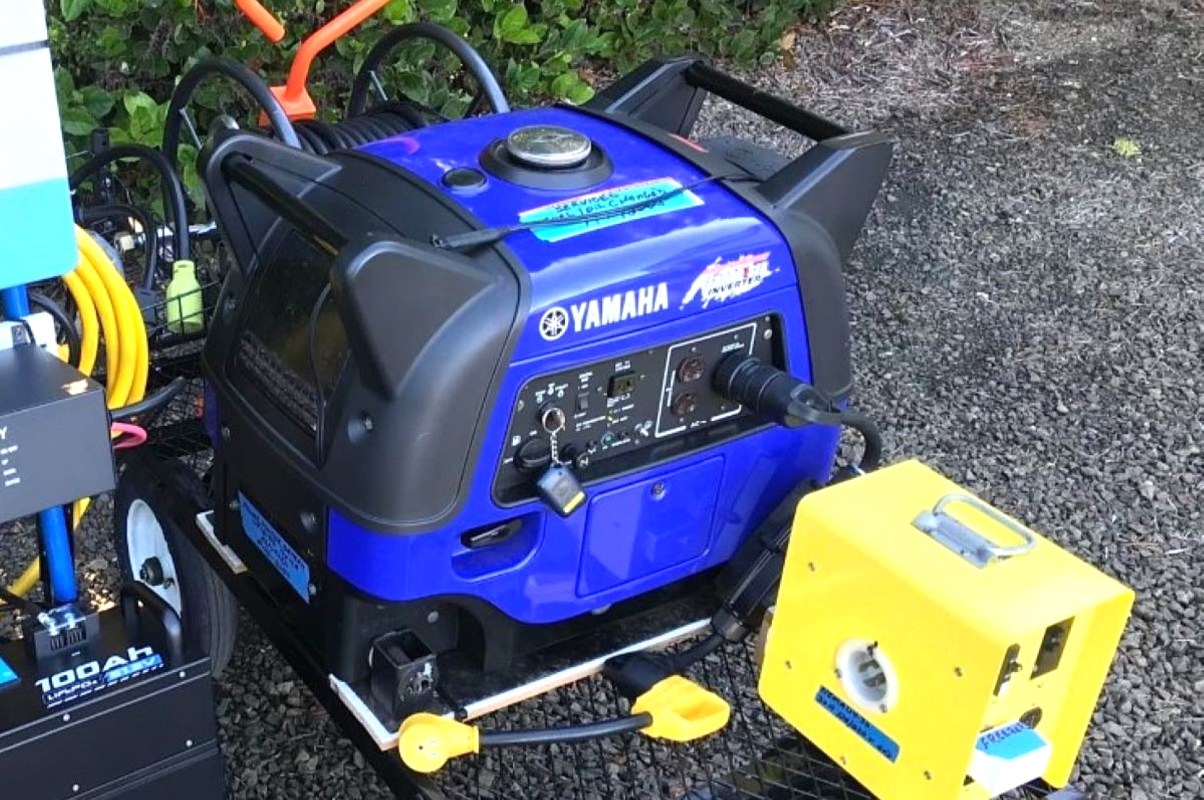
Adding a battery changes what a solar system can do. When set up properly with rooftop panels, a battery can keep important appliances running, save extra daytime electricity for use after dark, and make blackouts easier to manage with less noise and hassle than a gasoline generator. That kind of backup can improve both everyday convenience and storm resilience.
What's being done?
After going through this outage, the homeowner started building a server-rack-style battery system so the solar array would be useful during the next blackout. These modular battery setups have grown in popularity because they can be expanded over time and can offer a practical way to back up part of a home.
It can help to think through backup needs before installing solar, and free comparison tools can make that planning easier. EnergySage's tools can help homeowners save up to $10,000 on installation and purchasing costs. Meanwhile, EnergySage's solar map offers information by state. Used together, those resources can help readers find competitive rooftop solar pricing and identify available incentives.
Save $10,000 on solar panels without even sharing your phone number Want to go solar but not sure who to trust? EnergySage has your back with free and transparent quotes from fully vetted providers that can help you save as much as $10k on installation. To get started, just answer a few questions about your home — no phone number required. Within a day or two, EnergySage will email you the best local options for your needs, and their expert advisers can help you compare quotes and pick a winner. |

For households worried about outages, battery storage can provide backup power, lower energy costs, and support going off grid. It can keep essential devices running during a blackout while helping homeowners use more of their own clean electricity. Readers who want to explore next steps can visit EnergySage for free tools on home battery storage options, including competitive installation estimates.

Get TCD's free newsletters for easy tips, smart advice, and a chance to earn $5,000 toward home upgrades. To see more stories like this one, change your Google preferences here.






