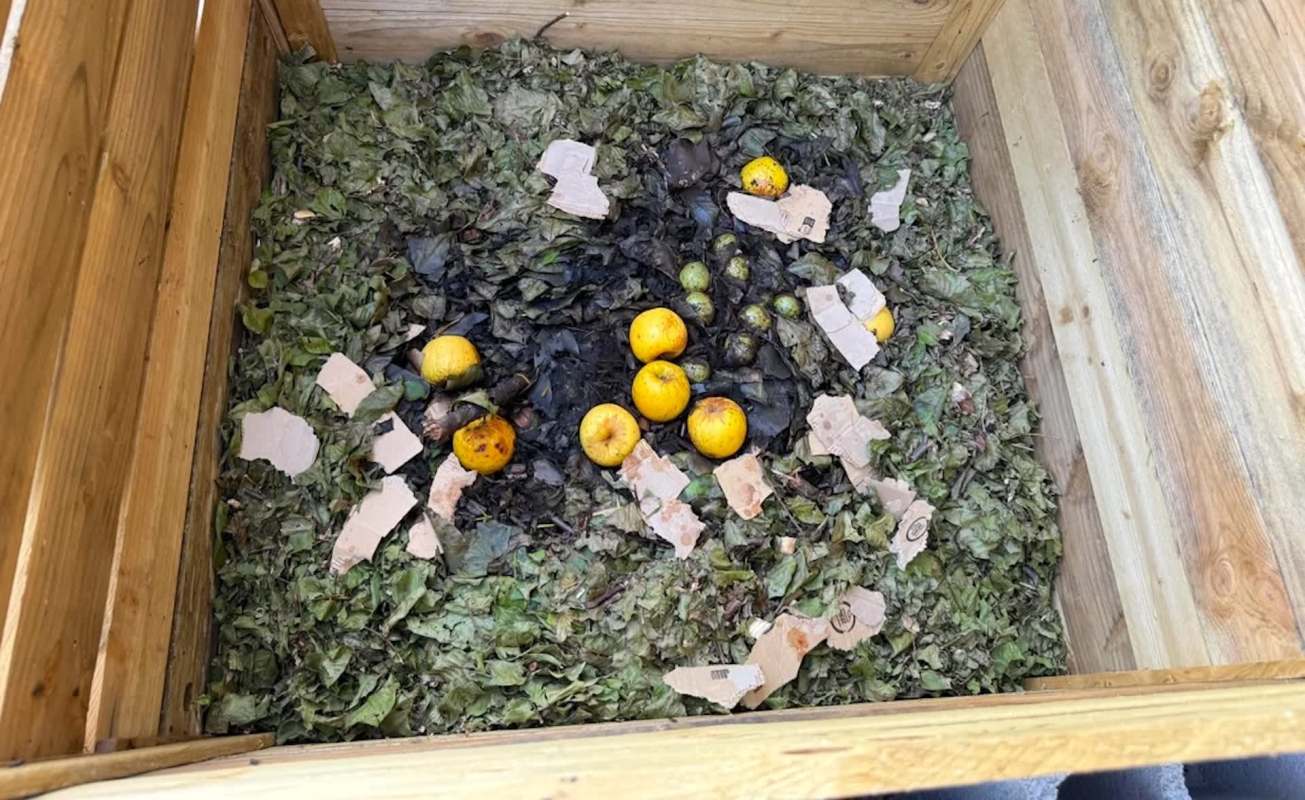
A Reddit user trying composting for the first time said an old-school gardening suggestion produced an obvious result: the patch of the pile that got urine started breaking down sooner than the surrounding material.
That observation led to a thread full of both practical compost advice and jokes about how readily some people might volunteer for the job.
What happened?
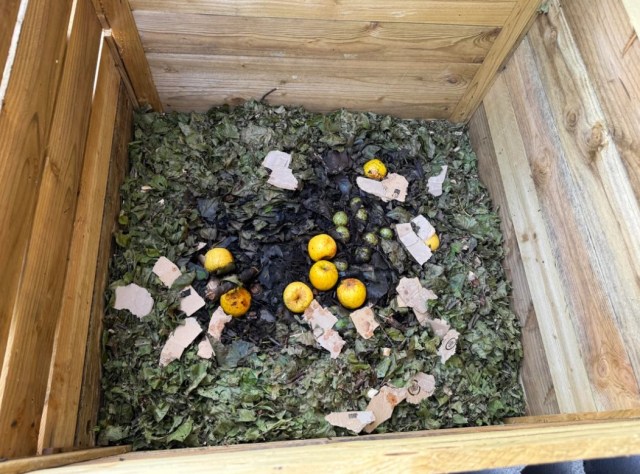
Sharing the experience in Reddit's r/composting forum, the poster wrote, "First time composter. I'm doing some compost lasagnas and added a lot of browns on top of a layer of greens. When I came back to add some more stuff I was surprised I could make out the exact area I poured some pee on."
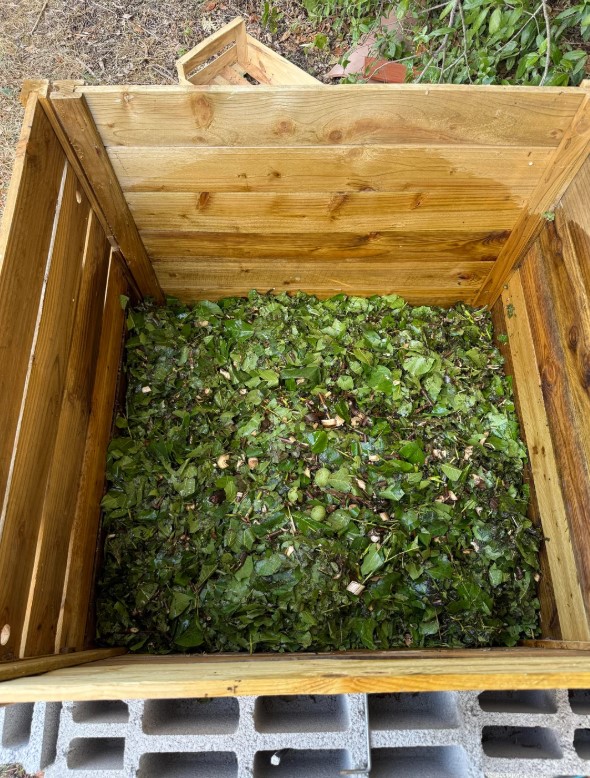
At issue is a common composting balance: dry "browns" such as cardboard and dead leaves supply carbon, while "greens" add nitrogen. Because urine contains nitrogen, it can help microbes speed up decomposition in a pile that is otherwise heavy on carbon or lacking moisture.
The replies mixed tips and shock with punch lines.
"It's a bummer I moved my compost into a very visible spot of my backyard. Might have to do some night 'composting,'" one wrote.
TCD Picks » Quince Spotlight
💡These best-sellers from Quince deliver affordable, sustainable luxury for all




"Woah!!! This is a great testament. This should be a pinned post in this sub. I had no idea," another added.
Why does it matter?
Composting keeps food scraps and yard debris in circulation instead of sending them to a landfill, and a faster-working pile means homemade compost is ready sooner for use in the garden. That finished material can improve soil and help plants grow better.
Raising fruits, vegetables, and herbs at home may trim grocery spending, and plenty of gardeners prefer the flavor of produce they grow themselves over store-bought options. Time spent gardening can also benefit mental and physical health by encouraging movement, outdoor time, and a closer connection to nature.
For composters who use it, urine is a free source of nitrogen that might otherwise be flushed away, so it can also be one way to save water and make more use of everyday resources.
What can I do?
When a compost pile contains a lot of dry brown material, adding more nitrogen-rich ingredients can help it break down more effectively. Kitchen scraps, grass clippings, and other greens are common options, and some gardeners also use urine directly or diluted, in moderation.

Get TCD's free newsletters for easy tips, smart advice, and a chance to earn $5,000 toward home upgrades. To see more stories like this one, change your Google preferences here.