


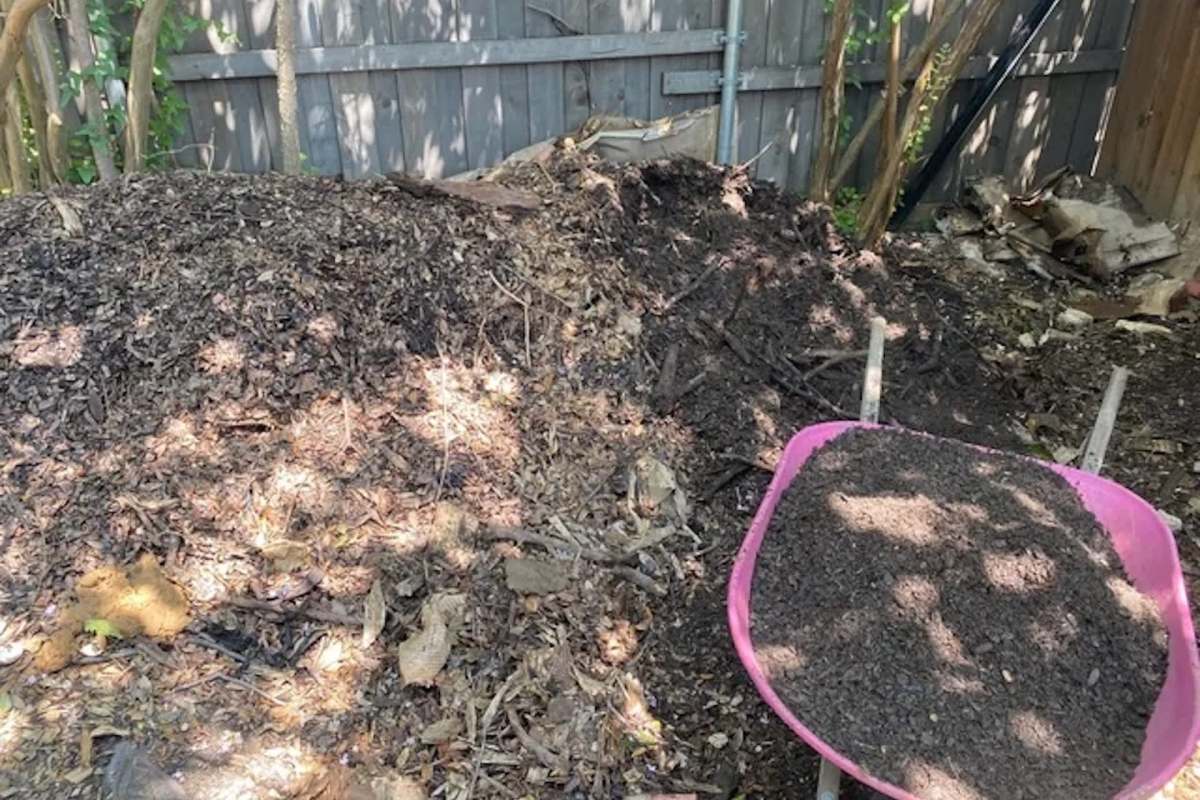
A six-month composting project shared on Reddit is getting attention for the sheer payoff. One home gardener said they had been stockpiling food scraps along with leaves, grass, yard waste, and chip drop, and the end result was a huge batch of compost from an unusually deep system.
What happened?
In Reddit's composting community, a user shared the payoff from their latest batch.
The original poster wrote, "Finally harvesting lots of compost I started 6 months ago. The cumulative yield from my yard waste, food scraps, chip drop, bulk trash bagged leaves, and bulk trash bagged grass."
They added that "there is a 4 foot deep pit below grade beneath the pile that I filled with logs, large sticks, and more compostables as well," noting they flipped the pile "about 4 times total" and "haven't touched the below ground portion at all."
Altogether, it produced a sizable amount of dark compost from material that otherwise could have ended up as waste.
In a follow-up comment, the original poster explained exactly how they plan to use it: "I'm going to spread a few wheelbarrows on the front lawn, top dress the backyard garden + mulch, and make loads of diy potting mix at 1 part compost 1 part north Texas clayey dirt."
TCD Picks » Quince Spotlight
💡These best-sellers from Quince deliver affordable, sustainable luxury for all




Why does it matter?
Composting food scraps, grass clippings, leaves, and woody debris helps keep waste out of landfills while creating a soil-building resource that can improve drainage, nourish plants, and help soil retain moisture longer.
That can be especially useful for homeowners looking to cut back on expensive, high-maintenance lawns.
Adding compost can help support the transition of part or all of a yard to lower-input options such as native plants, clover, buffalo grass, or xeriscaping. Swapping even a portion of traditional turf for these alternatives can save money and time on mowing and maintenance while also lowering water bills.
For anyone considering that kind of shift, check the TCD Guide's pages on upgrading to a natural lawn and rewilding your yard to get ideas for getting started.
Compost can be a practical first step toward creating a yard that is easier to maintain and better for pollinators.
What are people saying?
Commenters were impressed, and the original poster also sounded a little amazed by the scale of the haul.
One commenter summed it up simply: "Nice work!!"
The original poster also seemed a little stunned by the volume, joking in another comment, "Sweet baby Jesus!! Where is it all going?!"

Get TCD's free newsletters for easy tips, smart advice, and a chance to earn $5,000 toward home upgrades. To see more stories like this one, change your Google preferences here.






