


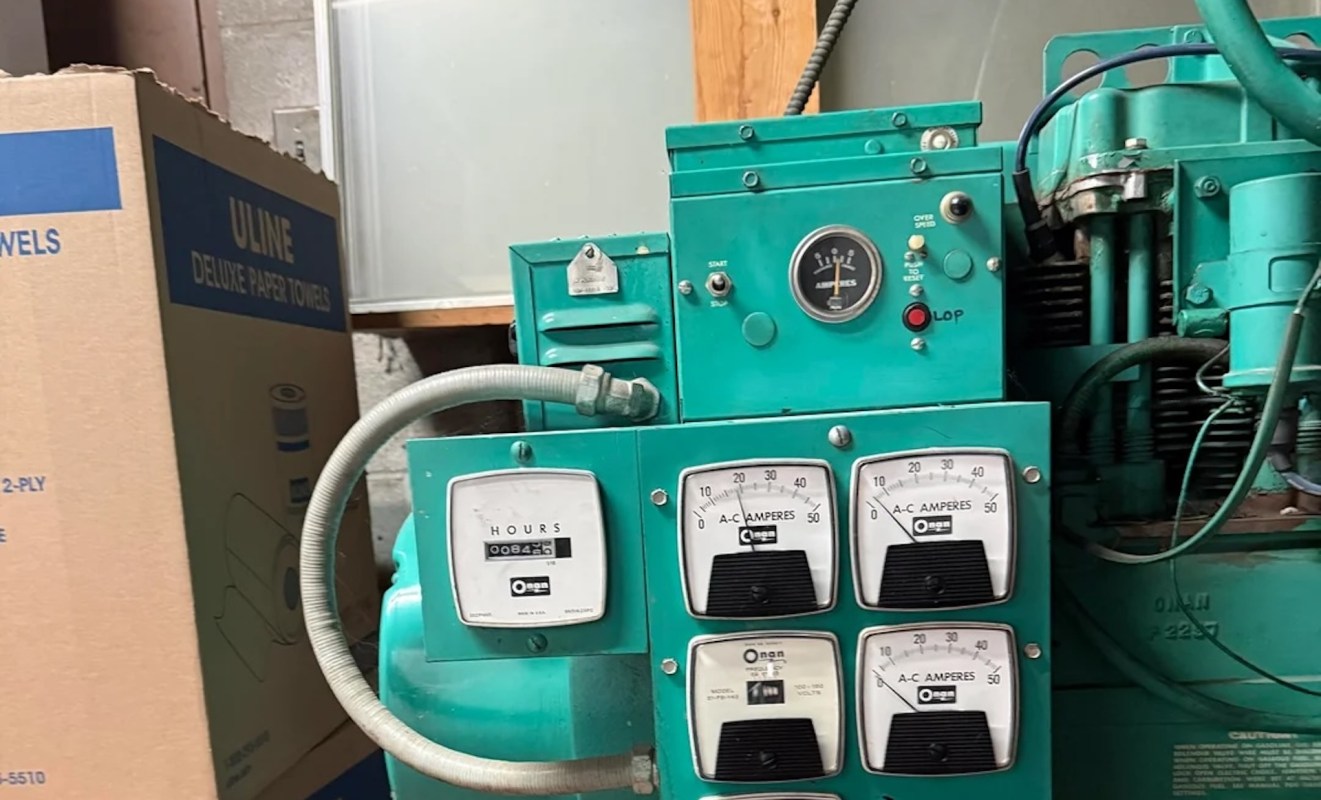
Severe storms left one firehouse with far less backup power than during past outages, with its generator now powering only a few outlets instead of the whole building — a reminder that standby-power problems are not always obvious until the grid goes down.
Here's what to know
The Reddit post described a sharp change in performance.
"We have a firehouse generator that when we've lost power in the past powers everything in the firehouse," the OP said.
They added that "now we only have power for about 3 outlets."
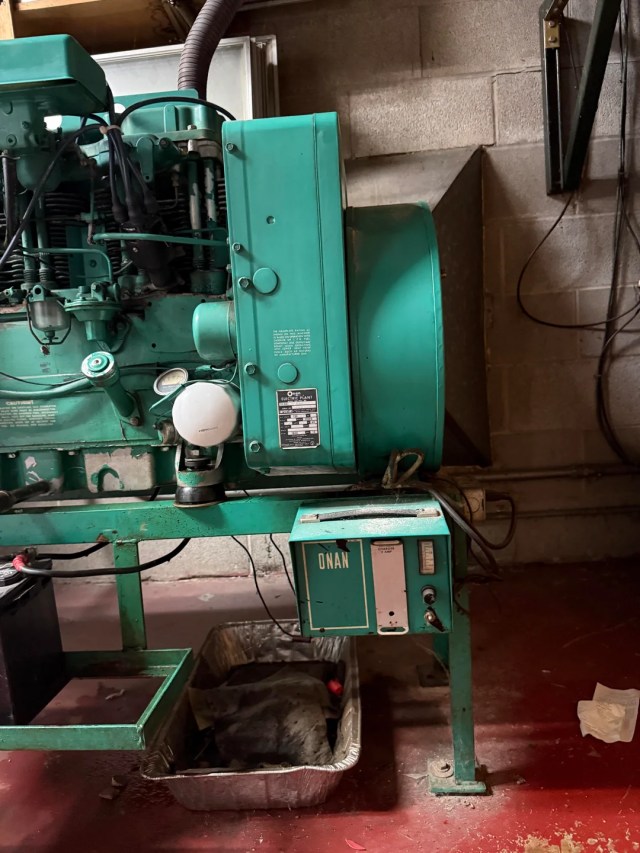
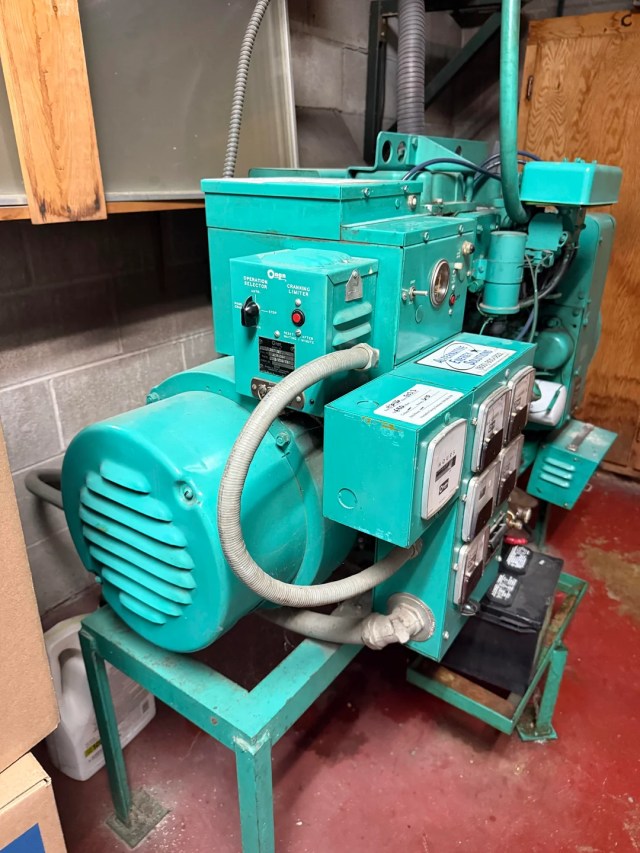
Based on the posted photos, users looked first at the equipment that routes generator power into the building rather than at the engine itself.
One reply said, "I'd start at the transfer switch. See if it's supplying 240V L-L on the emergency side when running. Then check the load side. You may have something (like a lizard/snake/rat) that got between the contact plates"
TCD Picks » Quince Spotlight
💡These best-sellers from Quince deliver affordable, sustainable luxury for all




More background
This kind of issue is especially relevant as generators become more common to prepare for storms and grid failures. While people often focus first on output size and fuel type, switches, wiring, and overall system configuration can be just as critical as the generator unit itself.
If the problem is isolated to a transfer switch, a damaged contact, or a wiring issue, identifying it early could prevent an owner from assuming the entire generator needs to be replaced. That can help protect the value of a major home upgrade and prevent overspending on the wrong repair.
What can be done?
A professional inspection can test the full system under load, not just whether the engine starts. After severe storms, a technician can also check for debris, moisture intrusion, animal damage, and switch issues that may not be obvious in a quick visual check.
That reduces the likelihood of unexpected performance problems later and may keep consumers from paying for a larger or more complicated setup than they actually need. A well-matched system that reliably powers essentials is often more useful than a bigger system that has not been properly commissioned.
The discussion also showed how quickly a generator complaint can turn into a more technical debate about the building-side electrical setup.
One user said, "There is no 240V. It is a 3-phase wye with 120V N to φ, and 208V φ to φ."
Another user commented, "Might also check what has been added to the generators over past few years. Very common for all kinds of loads to be added to a generator thinking it won't be a problem."

Get TCD's free newsletters for easy tips, smart advice, and a chance to earn $5,000 toward home upgrades. To see more stories like this one, change your Google preferences here.






